(SeaPRwire) – By: Julian Holbrooke
The drone sat beside a Ukrainian cargo plane. The detonator failed. Berlin has spent weeks circling the truth without naming it. Now Germany is done with the polite dance. What looks like a firm diplomatic reckoning actually exposes how exposed Europe’s logistics spine really is.
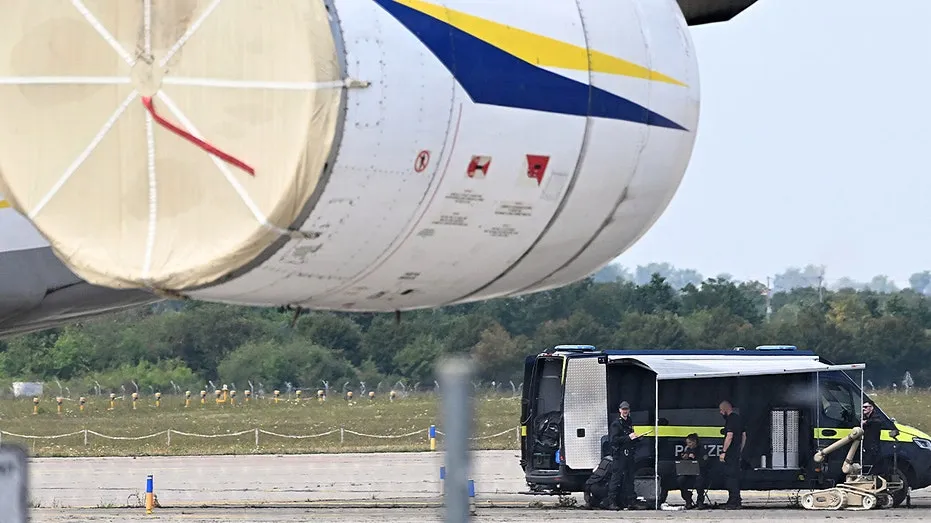
German investigators found an explosive-laden drone near a Ukrainian Antonov transport aircraft at Leipzig/Halle Airport on August 4. Interior Minister Alexander Dobrindt said forensic evidence tied Moscow to the sabotage. A second drone reportedly collided with a nearby cargo plane. The bomb did not detonate because of a faulty detonator. Leipzig/Halle serves as a critical NATO and German military logistics hub. Germany has publicly attributed the attack for the first time. U.S. officials reportedly believed Russian involvement all along.
Foreign Minister Johann Wadephul ordered the closure of the Russian consulate in Bonn and the termination of the Russian House cultural center contract in Berlin. Moscow called the accusations absurd. Foreign Ministry spokeswoman Maria Zakharova promised mirror-image retaliation. The Russian embassy called it unprecedented escalation. Berlin also summoned ambassador Sergei Nechayev and announced tighter entry restrictions for Russian nationals. The EU is preparing additional sanctions.
Chancellor Friedrich Merz warned last week that Germany faces mounting hybrid threats against military and critical infrastructure. He said those responsible would pay a price. Police in Brandenburg are investigating explosive and incendiary devices found at a power substation after a damaged line caused a temporary outage. NATO Secretary-General Mark Rutte backed Germany fully. Poland’s Donald Tusk accused Moscow of regional escalation.
The diplomatic expulsions are real. They are also theatrical. Russia has already signaled it will respond in kind. What matters is what Berlin refuses to acknowledge out loud. Hybrid operations do not stop at drone sabotage. They are already woven into power grids, shipping corridors, and logistics networks. The Brandenburg investigation proves the campaign is still active and unattributed. Germany needs to treat hybrid threats the way it treats conventional military threats. That means hardened infrastructure, faster attribution protocols, and strategic patience over symbolic retaliation.
Author bio: Julian Holbrooke, an overseas international relations analyst who frequently contributes to major European daily newspapers, specializing in Eurasian security dynamics and diplomatic strategy.