(SeaPRwire) – By: Logan Pierce
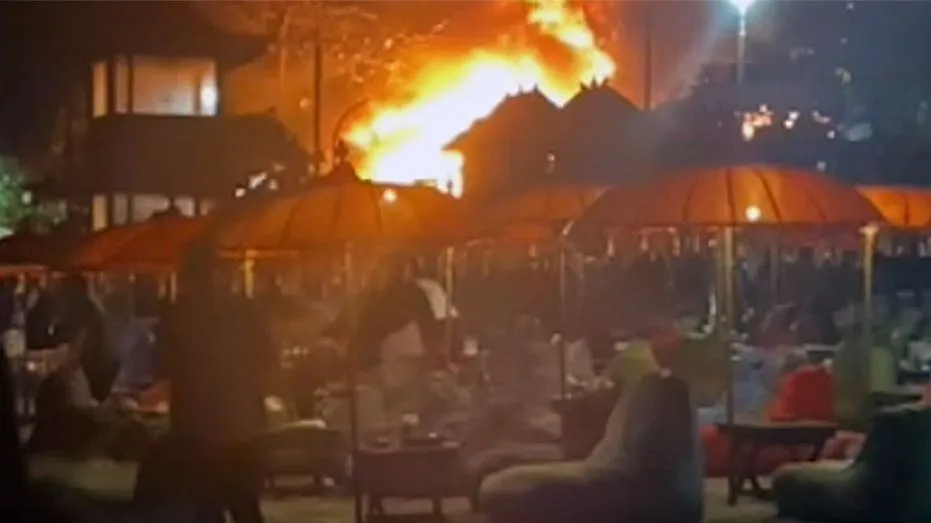
Bali’s beachside dining scene just proved that the most expensive real estate on the island doesn’t matter if a stray balloon can take it down in minutes. Seminyak’s Chez Gado-Gado is temporarily closed after a 70th birthday celebration turned into a blazing inferno. A waitress lit a candle too close to a balloon. The balloon popped. The thatched roof caught fire. People ran onto the beach. An Australian teenager was hospitalized with burns. Two hours later, the Badung Fire and Rescue Service finally brought it under control. One thing is certain. Bali’s luxury tourism brand just faced a very public stress test.
The official timeline is clear. Sunday evening at Chez Gado-Gado in Seminyak. A birthday party. Two balloons on the table. A waitress leaning in to light candles. The balloon was hit by the flame and exploded. Witnesses described a chain reaction of explosions. “Explosion and explosion and explosion,” one said. Paul Cole told 9News that people were screaming and crying and running around. Tara Borelli grabbed her daughter and little cousin and bolted toward the ocean. The straw roof ignited immediately. Fire extinguishers in the restaurant proved useless. The fire had already grown too large and spread too fast.
Now look at what the incident reveals about the operational reality beneath Bali’s glossy resort image. First Inspector I Gede Adi Saputra Jaya of the Denpasar Police stated the fire was strongly suspected to have started after the balloon was hit by a candle flame. That is the complete official finding. But the subtext matters more. Thatched roofs are standard in beachfront Bali venues. They look picturesque. They burn like kindling. The restaurant’s initial extinguishing efforts failed because the fuel load was already catastrophic. No fire suppression system is mentioned in any witness account. No sprinklers. No secondary containment. Just handheld extinguishers against a building made of dried organic material.
The commercial game here is not about one bad dinner party. It is about an entire sector built on aesthetic risk. Bali’s hospitality industry sells tropical romance. Open-air kitchens. Straw roofs. Beachfront seating. Candlelit tables. The operational model is inherently fire-prone. Yet there is no visible regulatory enforcement pushing venue operators toward flame-retardant materials or building-code upgrades. The Badung Fire and Rescue Service took more than two hours to put out the flames. That is a response time that speaks to infrastructure gaps, not just fire size. Witnesses confirmed the atmosphere on the ground was pure bedlam. Joe Xuereb said exactly that. “As soon as the fire started, people didn’t know what to do.”
The restaurant now lists itself as temporarily closed on its website. No mention of structural damage. No mention of insurance claims. No mention of a rebuilding timeline. That silence itself is a data point. In Bali’s hospitality market, brand reputation is the only real asset. A fire incident of this visibility damages customer confidence faster than any marketing budget can repair it. Competitor venues in Seminyak will quietly update their safety certifications. They will advertise flame-retardant treatments. They will reposition themselves as the safer alternative without ever naming Chez Gado-Gado. This is how market share shifts after a low-tech disaster.
A balloon. A candle. Two seconds of negligence. That is all it took to expose a structural vulnerability in one of Southeast Asia’s most photographed tourism corridors. The industry will recover. It always does. But the incident should force every beachfront operator in Bali to ask whether their aesthetic identity is also their insurance nightmare.
Author bio: Logan Pierce, an independent business researcher and corporate governance writer on Medium who covers Southeast Asian hospitality markets and operational risk frameworks.