

(SeaPRwire) – By: Logan Pierce
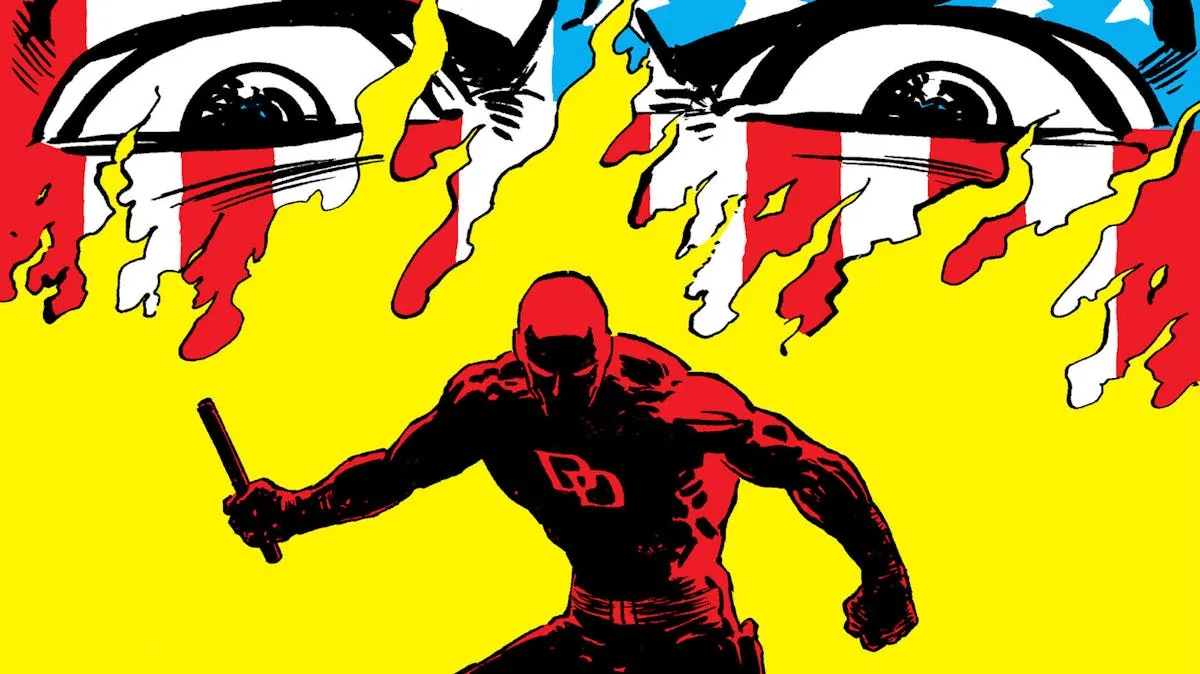
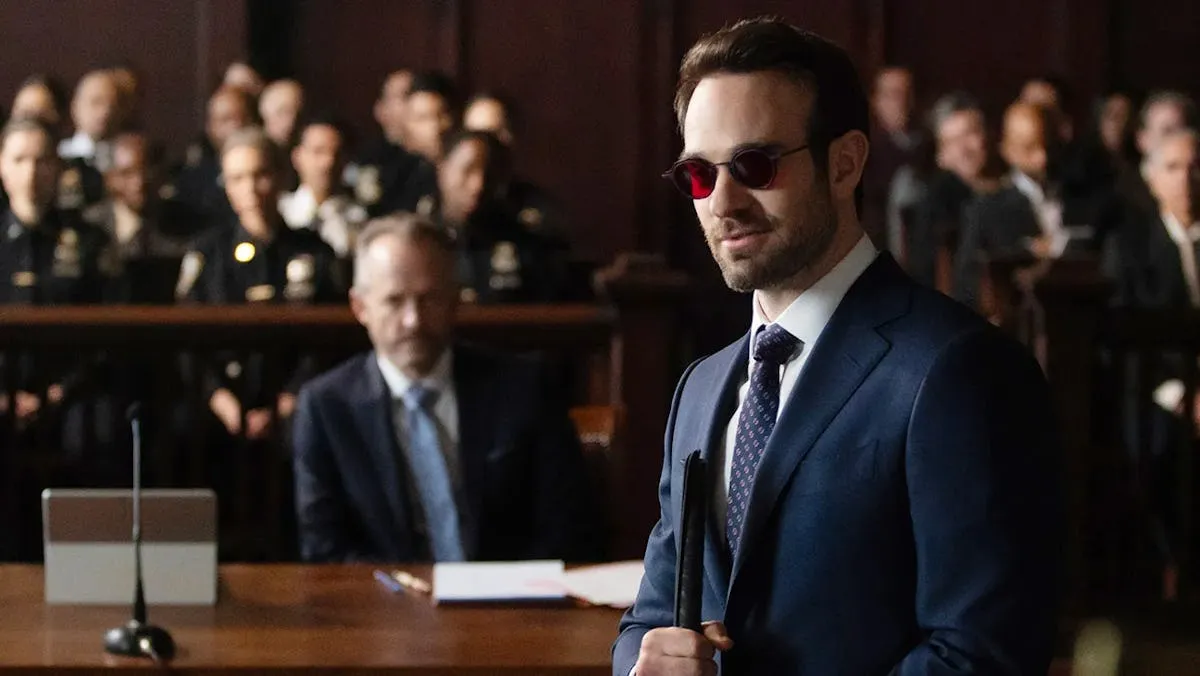
Marvel Studios is banking on nostalgia for Frank Miller’s 1986 masterpiece. The marketing machinery is grinding. They want the MCU to recapture what made Born Again dangerous in print. But strip away the promotional gloss around Daredevil: Born Again and you’re left with a painful creative gap. The showrunners sell catharsis through familiar pain. Yet Miller didn’t write a character who simply “has it rough.” He constructed a theological argument disguised as a vigilante thriller. Netflix grabbed the plot beats and discarded the anatomy. Disney+ is attempting the same extraction. The industry treats Born Again as a checklist, not a living blueprint for suffering.
When Stan Lee and Bill Everett introduced Matt Murdock in 1964, the character was a quippy swashbuckler. Think Spider-Man with a lawyer’s briefcase. Sales tanked in the late 1970s. Frank Miller took over and fundamentally rebuilt the title. He didn’t inject darkness for shock value. He stripped away vampires and sci-fi B-movie villains like Stilt-Man. Miller replaced them with a Catholic vigilante’s psychological torment. He built Hell’s Kitchen’s criminal underworld with real texture. The Kingpin stopped being a Spider-Man villain. He became Matt’s shadow. Every single beat in Born Again traces back to this five-year foundation Miller laid.
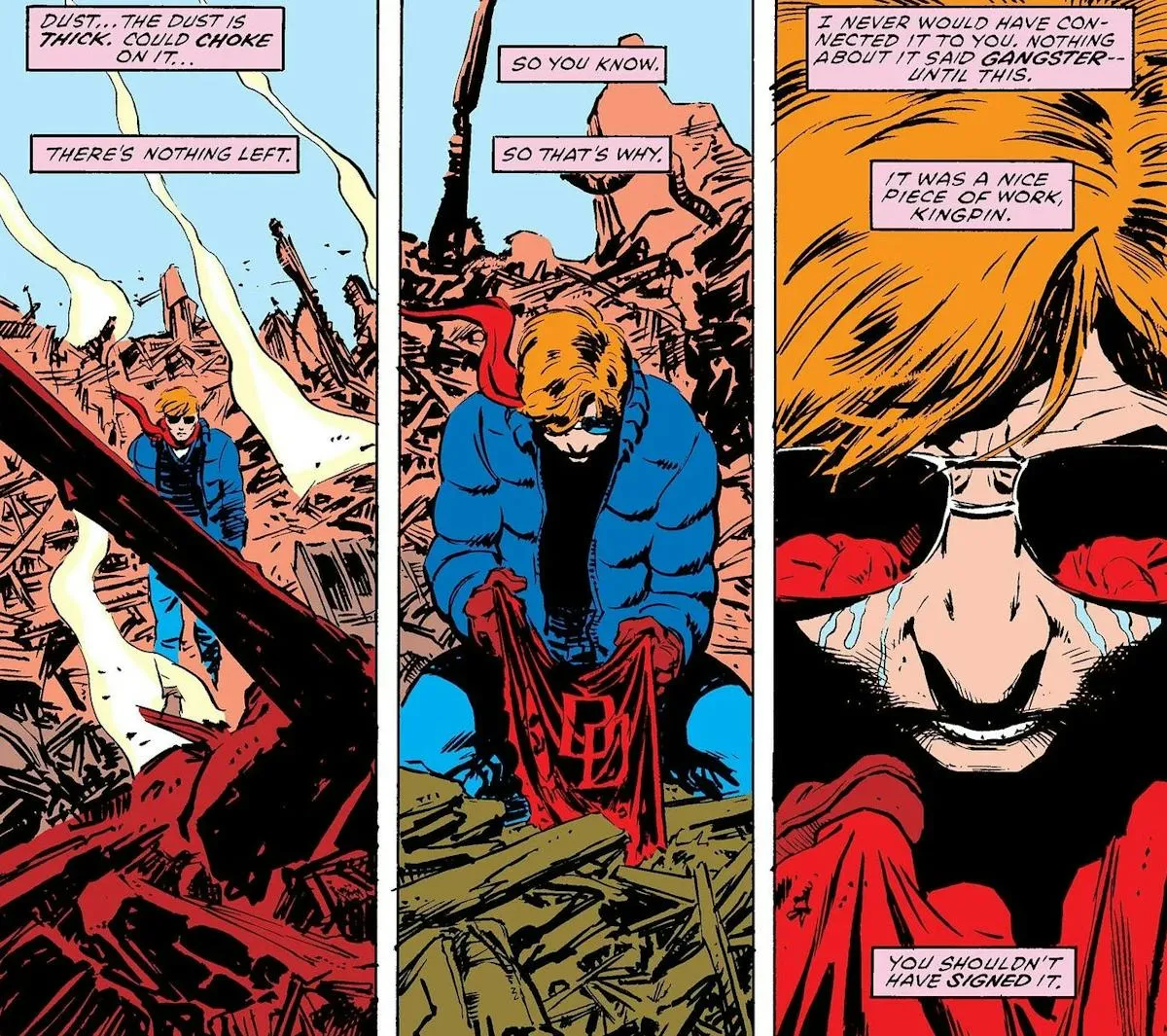
Born Again ran across Daredevil #227 through #233 from February to August 1986. It opens with Karen Page revealed as a heroin addict and adult film actor after her 1969 disappearance. She sells Matt’s secret identity for a fix. The Kingpin acquires the information. He decides that if he can’t defeat the vigilante, he’ll destroy the civilian. Matt’s bank accounts freeze. The IRS moves. His apartment gets foreclosed. A bribed officer testifies he witnessed Matt bribing a witness. The apartment gets firebombed. Half the arc is devoted to watching a man drown under America’s own systems.
David Mazzucchelli’s art is where the theological argument becomes visible. Each issue opens with Matt sleeping. The compositions escalate over the run. They eventually recreate the crucifixion pose and the Pietà. This isn’t decoration. It’s the thesis statement. Daredevil functions as a Messianic figure absorbing Hell’s Kitchen’s sins through personal suffering. Matt gets beaten, drenched in whiskey, and pushed into the East River. He’s nursed back to health by his long-lost mother, Sister Maggie. The adaptation challenge is translating interior faith into external spectacle.
Miller ultimately rebuilt Matt through penance and redemption. The Kingpin’s revenge spirals when he hires Nuke to draw Matt out of hiding. The Avengers intervene. But the real resolution is internal. Matt reconnects with Karen, who travels from Central America to make amends. He could walk away from the persona entirely. He doesn’t. He returns reaffirmed as Hell’s Kitchen’s defender. This is the structural insight the adaptations keep missing. Born Again isn’t about breaking a character to manufacture depth. It’s about stripping everything external until the character’s core becomes unlosable.
The next Born Again reboot will fail the exact same way because nobody in Marvel’s writers room has internalized that Frank Miller wrote a theological argument about redemption through suffering, not a trauma pipeline for franchise engagement, and until that understanding reaches the writing rooms, the industry will keep recycling a story it doesn’t understand.
Author bio: Logan Pierce, an independent business researcher and corporate governance writer who has spent a decade dissecting how legacy intellectual property shapes adaptation strategy and franchise economics across global media platforms.