(SeaPRwire) – By: Oliver Hawthorne
Hollywood IP rebooting constantly guts authentic narrative architecture. Studios routinely strip localized folk traditions to apply shiny blockbuster sheen. They trade genuine atmospheric terror for formulaic character hooks and high-strung star power. This structural failure reveals a deep executive misunderstanding of media mechanics. When creative teams strip out real cultural context, the underlying narrative collapses. The audience no longer experiences genuine psychological dread. Instead, the narrative degrades into involuntary comedy. Memes displace real dramatic engagement. Social media platforms carve up the wreckage into viral video clips. This dynamic exposes a fundamental flaw in modern content monetization strategies. Execs attempt to commercialize specialized subgenres without respecting their core structural mechanics.
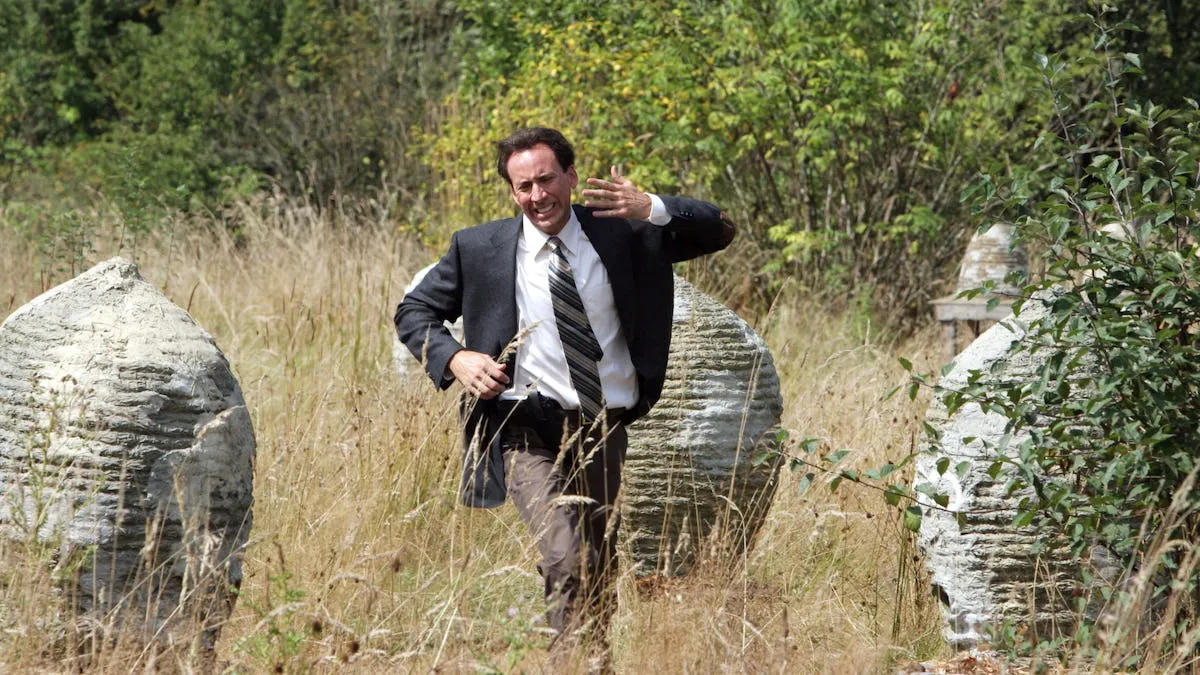
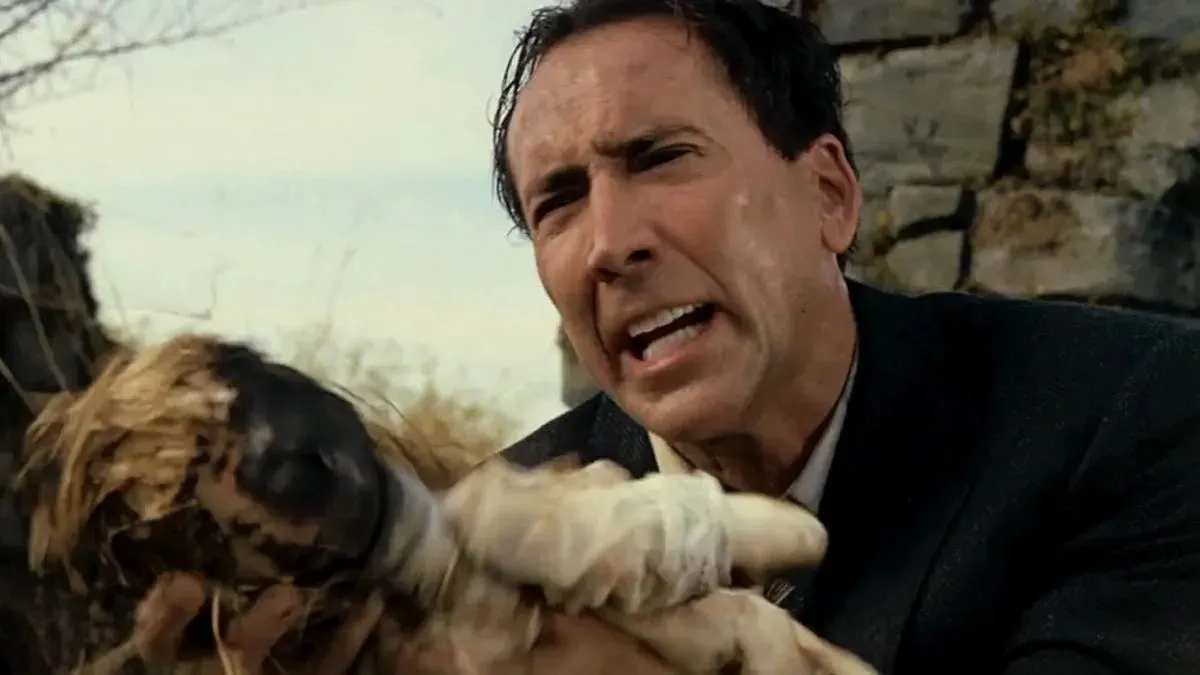
Look at the 2006 remake of The Wicker Man, which marks its twentieth anniversary today. Directed by Neil LaBute, the film attempted to re-engineer Robin Hardy’s seminal 1973 British folk horror masterpiece. The original production leaned heavily on Scottish island folklore and religious friction. It pitted Sergeant Neil Howie, a rigid Christian officer, against a charismatic pagan leader played by Christopher Lee. The narrative built quiet tension through May Day songs and daylight horror. It culminated in Howie being burned alive inside a massive wooden effigy to ensure crop growth. LaBute shifted the setting to an island off the coast of Washington state. The Pacific Northwest backdrop carried zero connection to the ancient traditions that fueled the original story. The script replaced Howie’s professional duty with a forced personal connection. Policeman Edward Malus, played by Nicolas Cage, travels to the island after receiving a letter from ex-fiancée Willow, played by Kate Beahan, about her missing daughter. This change made Cage’s character twitchy from the start. It erased the tension of a stoic officer watching his worldview collapse. Cage spent the movie running around, punching women while wearing a bear suit, and screaming as bees were poured over his head. Within months of its theatrical run, a supercut of these absurd moments went viral on YouTube. In a 2022 interview with IndieWire, Cage claimed the comedy was deliberate. He insisted that he and LaBute knew how funny the film was. Yet the surrounding film lacked any horror-comedy framing present in titles like Evil Dead 2 or Slither. The tonal mismatch rendered it a cinematic travesty, relegated to the “so bad it is good” bucket while currently streaming on the Howdy Amazon Channel.
This structural mismatch outlines the endgame for algorithmic IP recycling. Content platforms prioritize recognized brand names over narrative coherence. They treat localized cultural assets as interchangeable skins. When studios strip away authentic folklore, they create empty aesthetic hulls. Viewers reject the artificial prestige. YouTube supercuts and social media algorithms harvest the failure for short-form engagement. The original film achieved terror by drowning out Howie’s frantic psalms inside burning timber. The remake reduced that climax to Nicolas Cage yelling about bees in his eyes. IP owners will continue to miscalculate these creative transfers. They miss the reality that localized horror requires genuine contextual roots. Until production houses stop flattening localized stories for broad market appeal, legacy reboots will keep turning prestige property into viral slapstick.
Author bio: Oliver Hawthorne, a Principal Correspondent permanently stationed at an international technology review, specializing in digital distribution mechanics, media infrastructure, and enterprise content monetization strategies.