

(SeaPRwire) – By: Robert Kensington
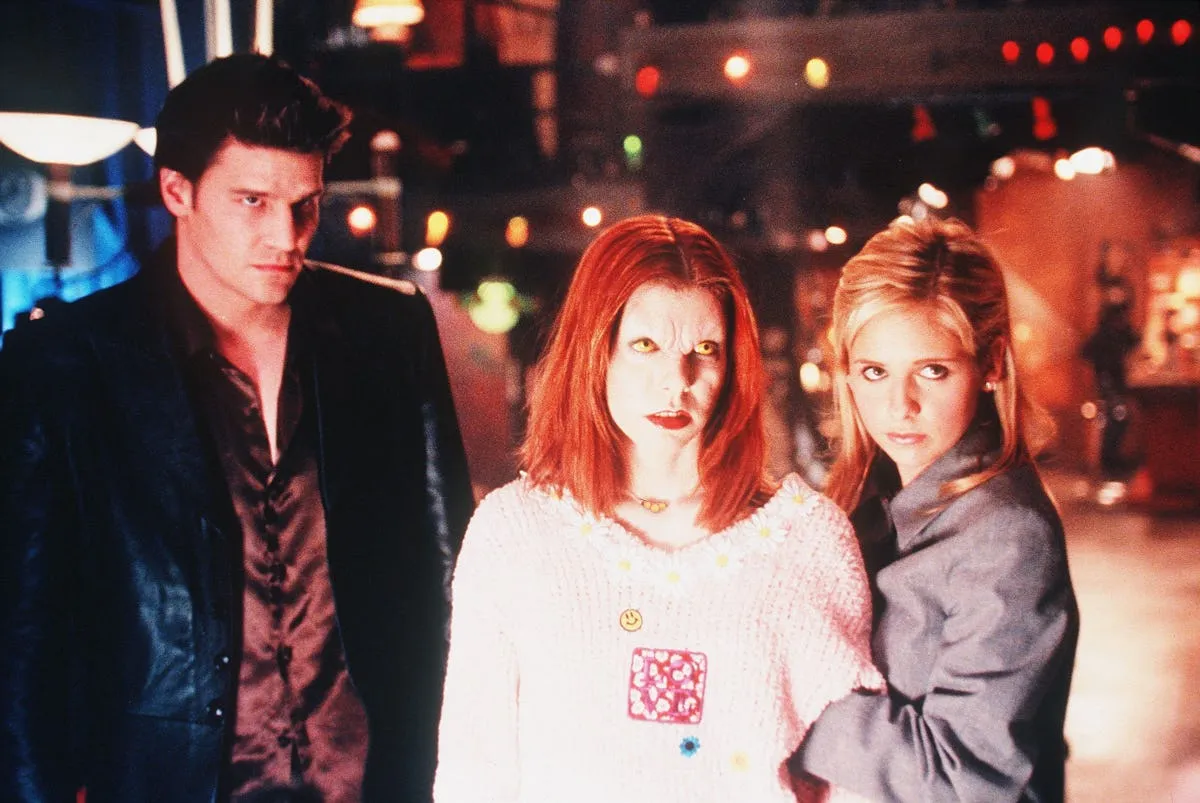
Modern entertainment capital suffers from an acute loss of commercial conviction. Corporate boardrooms celebrate algorithmic risk aversion while quietly suffocating asymmetric creative upside. The revelation of Dolly Parton’s foundational stewardship behind *Buffy the Vampire Slayer* exposes this deep structural rot. For seven seasons, Sandollar Productions financed and shielded a cultural juggernaut that corporate suits initially wrote off. Parton understood patient venture capital far better than today’s spreadsheet-obsessed platform executives. She took an uncredited producer role and backed an unproven premise. She did not micromanage day-to-day operations on set. She provided absolute institutional air cover and personal credibility instead. Today’s entertainment landscape does the exact opposite. It trades long-term IP equity for quarterly churn control. It installs risk-averse custodians who actively boast about ignoring legacy source material.
The historical data paints a devastating comparison between visionary production and corporate asset management. Sandollar Productions, co-run by Parton and Sandy Gallin, absorbed the financial blow of the 1992 *Buffy* feature film. That initial box office run failed commercially. Standard studio accounting would have killed the underlying asset immediately. Instead, Gail Berman at Sandollar Television recognized the dormant structural value in the concept. Berman approached writer Joss Whedon to pivot the property into a serialized television format. Parton quietly backed the entire seven-season broadcast run without taking public credit. She let the operational talent run the creative engine unhindered. When Sarah Michelle Gellar spoke on *Jimmy Fallon* in 2023, she confirmed Parton never hovered on set. Parton sent personalized Christmas gifts and validated the creative risk from afar. In 2021, Parton told Andy Cohen that Sandollar played a proud, small part. That deliberate humility masked a masterclass in patient equity incubation.
The contemporary streaming machine operates on complete operational blindness. Searchlight recently shelved its planned *Buffy* reboot after failing to secure traction at Hulu. The reason behind this failure reveals the modern commissioning playbook. Gellar disclosed to *People* that a supervising executive proudly bragged about never watching the original series. That administrative arrogance explains why contemporary streaming pipelines fail to incubate durable franchises. Algorithms cannot calculate the intangible cultural leverage of subversive narratives. When Whedon told *Metroactive* in 2002 that the show centered on female power, he targeted an underserved market segment. Parton backed that market gap with balance sheet risk. Today’s streaming monopolies run the inverse trade. They purchase expensive legacy intellectual property, assign indifferent managers, and abandon the project at the first sign of friction.
Platform monopolies have turned production into a defensive game of volume optimization. They acquire catalogs to prevent subscriber leakage, not to build generational assets. A production pipeline without executive passion will systematically destroy the terminal value of its portfolio. Parton proved that uncredited, high-conviction backing yields decades of high-margin cultural relevance. The modern streaming suite prefers disposable content that burns cash without building equity. Until distribution platforms fire the custodians who despise their own product catalogs, they will keep burning billions on dead-on-arrival revivals.
Author bio: Robert Kensington, an overseas entrepreneurial veteran with decades of experience in real-economy industrial investment and expansion, specializes in commercial capital allocation and IP portfolio asset restructuring.