
(SeaPRwire) – By: Logan Pierce
The 1985 Ridley Scott production *Legend* serves as a fascinating case study in asset misallocation and brand positioning. The initial market reception was brutal. A 33 percent Rotten Tomatoes score signals a failed product launch in the fantasy sector. Yet, buried within this distressed inventory is a high-value component that analysts overlooked. Tim Curry’s performance as Darkness represents a massive, under-leveraged equity within the film. The studio marketed a Tom Cruise vehicle to the masses. They actually possessed a character study of profound depth. The disconnect between the package and the payload is stark.
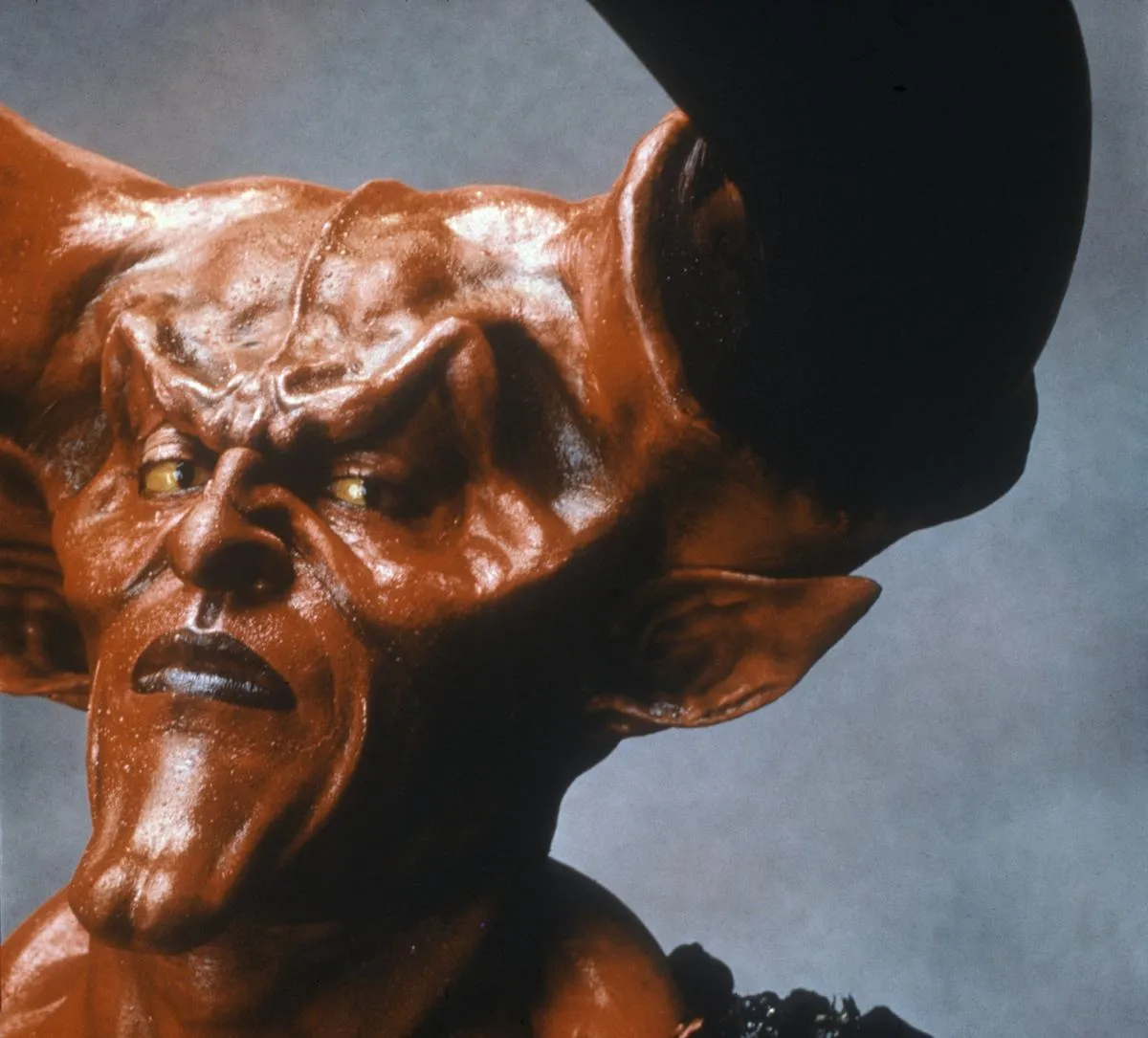
Curry invested significant capital into this role. The prosthetics required a five-hour daily application cycle. This is sunk cost that yielded high returns on screen presence. He did not hide behind the makeup. The forehead ridges and horns became a delivery mechanism for his specific brand of theatricality. The character Darkness was not a standard villain archetype. He operated as a bored CEO of Hell. He wanted to disrupt the status quo. The motivation was practical, not just chaotic. He brought a sensuality to the role that balanced the grotesque design. It was a masterclass in character integration.
The narrative logic relied on a binary premise. Goodness requires evil to define its market value. The film opened with the Hell sequence. This was a strategic error in sequencing but a win for tone-setting. It established the villain before the hero. Curry treated the corruption of Lili as a merger, not a battle. He understood the ethos better than the script did. He played evil as an inevitability. This grounded the fantasy elements in a harsh reality. The plot involving unicorns was merely the vehicle for his dominance.
Competitors in the 1985 fantasy sector performed better. *Labyrinth* and *The Dark Crystal* captured the imagination more effectively. *Legend* suffered from a *Krull*-ish quality. The hero inventory lacked strong differentiation. Tom Cruise’s Jack was a generic asset. Billy Barty’s Screwball failed to retain audience engagement. The supporting cast did not carry their weight. Barty’s later work in *Masters of the Universe* stole the show. Here, he failed to move the needle. The product felt old-fashioned against a modernizing backdrop.
Current distribution channels offer a second life. The film is available on Apple TV and Prime Video. The value proposition has shifted. Audiences now seek the specific performance art Curry provided. The “eternal winter” plot device is secondary. It mirrors *The Lion, the Witch and the Wardrobe*. But the true force of nature is the antagonist. The movie works as a showcase for a master craftsman. It is worth re-evaluating the asset based on this single metric. The villain carries the entire valuation.
Revisiting *Legend* today proves that a single superior performance can salvage a depreciated asset.
Author bio: Logan Pierce, an independent business researcher and corporate governance writer on Medium.