

(SeaPRwire) – By: Logan Pierce
The 2006 English-language Pulse remake didn’t fail because it was bad. It failed because it understood the assignment wrong. The original Kiyoshi Kurosawa film was about silence, about the dread of empty hallways and the ghostly invasion of connectivity. The remake, directed by Jim Sonzero and starring Kristen Bell and Ian Somerhalder, made it loud. It gave audiences the exact American horror they expected and got exactly what they deserved — a profitable flop that spawned two completely unrelated sequels just five years later. Pulse 2: Afterlife and Pulse 3 treated the original like a IP brand rather than a film. The third one banned technology entirely. That’s not a remake. That’s a trademark license.
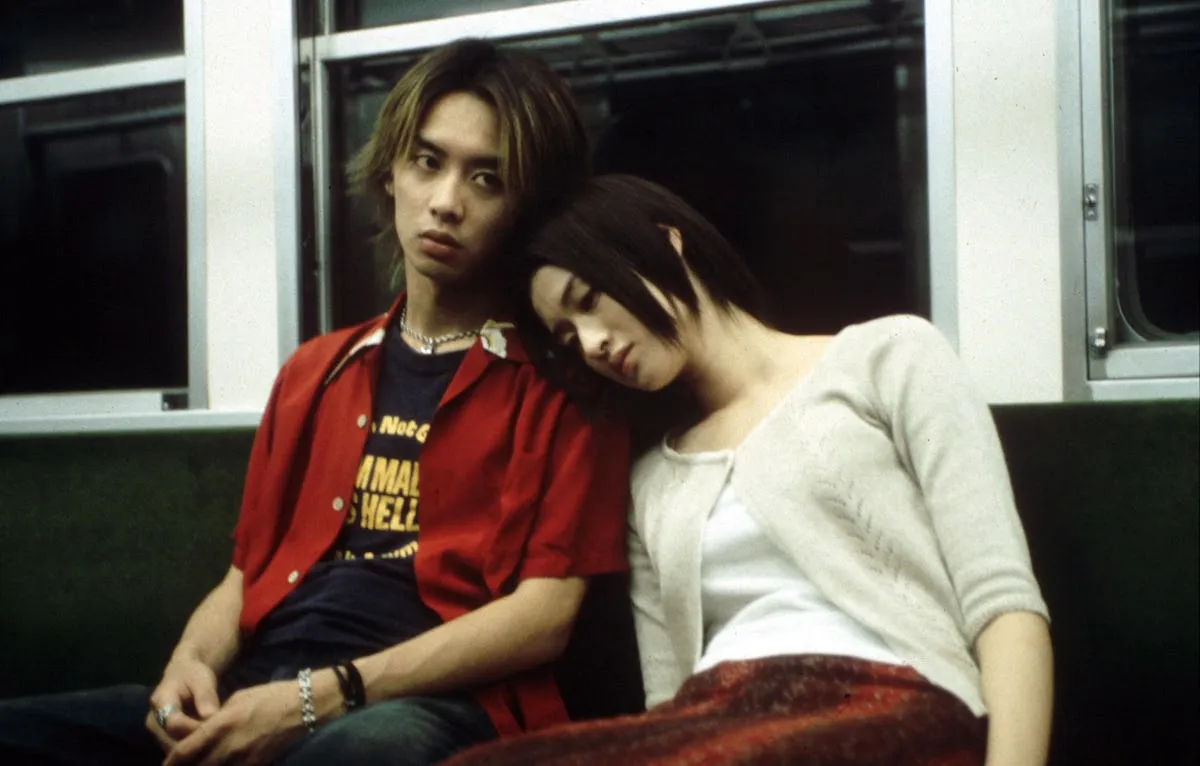
The facts matter here. Kurosawa released Pulse in 2001. It ran through Toho and Magnolia. Its core premise was a ghostly digital invasion occurring over the still-novel internet — a concept that was genuinely unsettling at the time because the internet felt different then. The remake arrived in 2006. Deadline reported the new project is called a “reimagining.” Dave Boyle is attached to direct. He’s currently preparing Never After Dark, another supernatural horror film. He’s American but has made Japan the central subject of his entire career since 2006’s Big Dreams Little Tokyo, which he also starred in. He directed episodes of House of Ninjas on Netflix. He wrote Never After Dark, which is entirely in Japanese. He is doing a pass on this remake’s script as well. None of this announcement states the film will be in English.
The industry usually treats a Japanese property getting an American director as an automatic Americanization. The 2006 mistake was assuming the remake needed to translate the story into American horror grammar — louder scares, more exposition, a villain you can punch. What Boyle brings to this project is something closer to cultural fluency. His entire body of work has been about engaging with Japan on its own terms, not using it as set dressing. Never After Dark being shot entirely in Japanese suggests he’s not interested in making a translated product. He’s making a Japanese film with an American director’s sensibility. That distinction matters more than anyone at this point is admitting.
The question isn’t whether Boyle can make a scary movie. The question is whether he understands what made Pulse work. The 2001 film relied on restraint. It built dread through absence, through technology that haunted rather than killed, through long takes of characters standing in doorways looking at phones that showed nothing. That’s a film about isolation, not a film about ghosts. If Boyle is approaching this reimagining with the same commitment to atmosphere over action, he’s already ahead of every other Hollywood producer who thought the 2006 failure was proof the story didn’t work instead of proof the approach was wrong.
The original Pulse is streaming on Pluto TV. Anyone who wants to understand what’s at stake here can watch it for free. The franchise that followed the 2006 version proves something important about the industry — that studio executives will keep spending money on a IP even after the last three films proved there was nothing there to spend it on. The sequels had nothing to do with each other or the original. They existed because the IP had a name. Boyle’s version has a chance to be something else entirely.
This remake succeeds or fails on one metric: does it understand that the horror was in the quiet? The 2001 film was a quarter century ahead of its cultural moment. The internet was still a mystery. The fear wasn’t about technology killing you — it was about technology making you alone. If Boyle brings that same understanding to a Japanese-language production, this could be the most interesting horror remake in a decade. If he brings the same instincts that produced the 2006 version, we’ll get another profitable mistake that spawns two more unrelated sequels.
Author bio: Logan Pierce is an independent business researcher and corporate governance writer on Medium, covering entertainment industry dynamics and IP adaptation strategies across global markets.