
(SeaPRwire) – By: Ethan Gallagher
The biggest lie in Hollywood history isn’t about what got cut. It’s about why it got cut. Eighty years after its release, we still treat the Hays Code as a straitjacket that weakened the source material. That’s backwards. Warner Bros. didn’t capitulate to moral censors. They weaponized them.
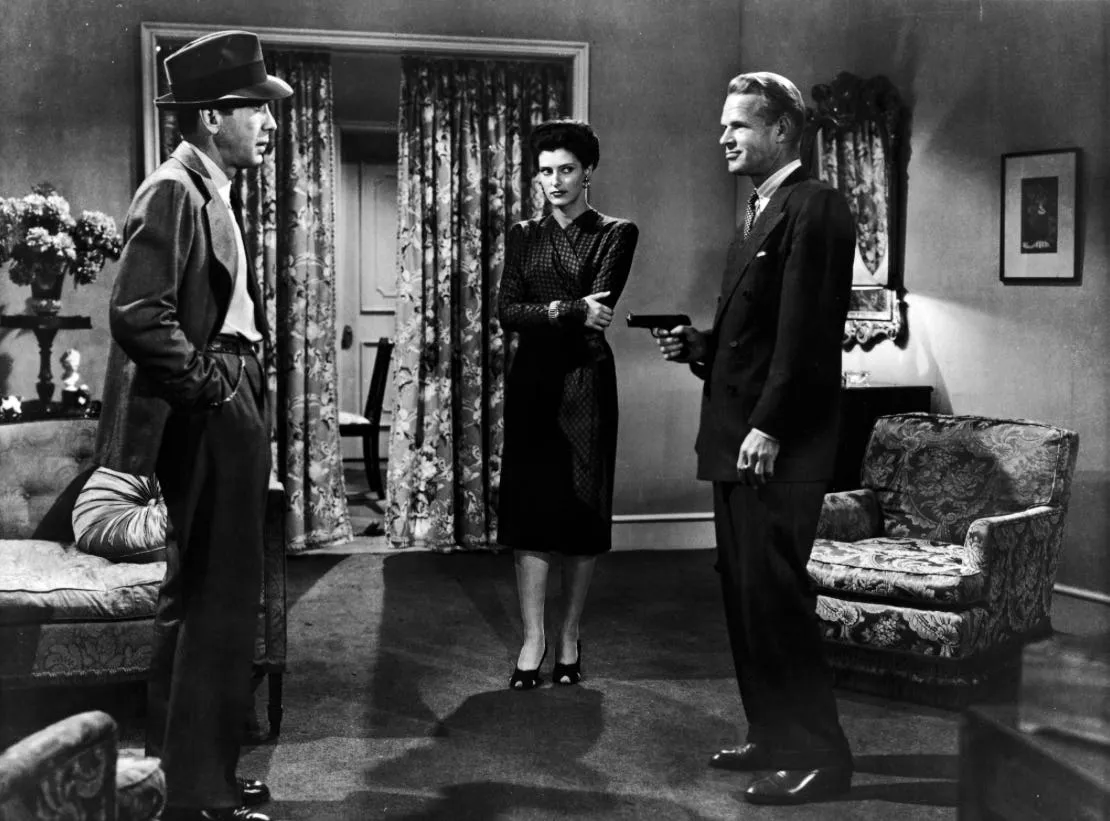
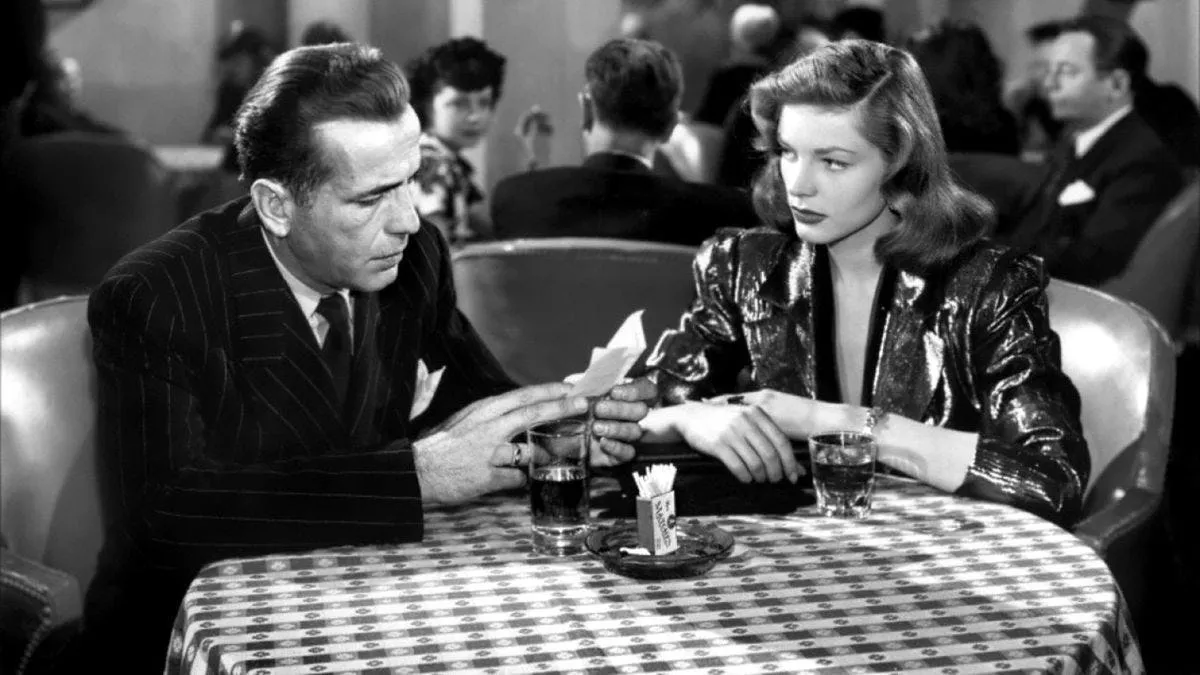
Look at what the press release admits. The novel’s Carmen was explicitly tangled in a pornography ring. The precinct was corrupt to its core. On paper, this was dark stuff. On screen, the cops are friendly. Carmen’s trouble is reduced to whispered talk of “photos” and some exotic Oriental decor. The production team couldn’t even solve the murder mystery — Chandler himself admitted he didn’t know how one character died. So what did they do? They buried the muck and sold the chemistry. Every random clerk and cab driver throwing themselves at Bogart wasn’t a compromise. It was a choice. A calculated pivot toward glamour over grime.
The timeline tells the real story. Produced in 1944. Pushed to 1946. Why? Because Warner Bros. needed to clear its pipeline of WWII content first. The loitering sailors and gas ration stickers aren’t period details. They’re accident archaeology. A studio holding a film hostage for distribution strategy. And in that holding pattern, something strange happened. The double-crossing, the paranoia, the sense that unity was ending — it mirrored a country stepping into an invisible war. Marlowe wasn’t just a character anymore. He was an anchor. While America searched for its next enemy, the hard-boiled PI with a stern moral code filled the void.
The writing team reads like a who’s-who of Hollywood discipline. Jules Furthman. Leigh Brackett — yes, the same woman who’d later shape Empire Strikes Back. William Faulkner, who was William Faulkner. Their script didn’t dilute Chandler. It translated him into a language the Code could tolerate without choking. The result wasn’t a neutered novel. It was something the novel could never have been: a mile-a-minute screwball noir where the bodies pile up but the romance takes center stage. Hawks knew exactly what he was doing.
The casino looks classy. Even the pornographer’s pad seems like a decent dinner spot. That’s not the Code limiting the film. That’s the Code giving it a different kind of tension — the kind where you’re never sure if Marlowe and Vivian are playing each other or falling for each other. You don’t need explicit sleaze when you’ve got that kind of electric ambiguity. It would take the Code’s death for Chinatown to exist. But The Big Sleep was the blueprint. It showed that restraint doesn’t kill noir. It forges it into something durable.
The lesson for any studio facing creative constraints isn’t to fight the walls. It’s to build a better room inside them.
Author bio: Ethan Gallagher, a Silicon Valley Hardware Architect and Infrastructure Strategist who covers the intersection of creative production and industrial constraints.