By: Silas Sterling
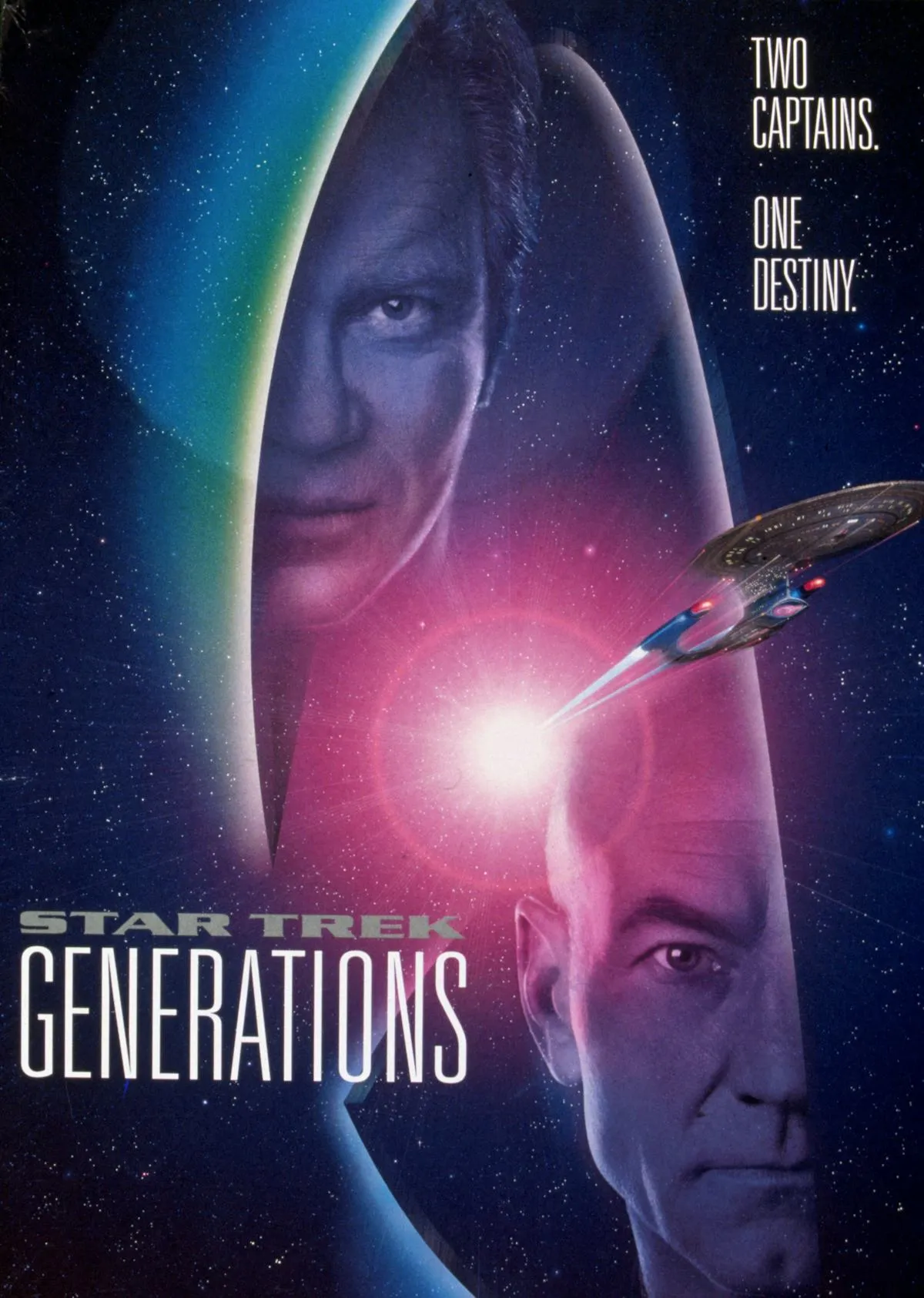
(SeaPRwire) – Every pop culture franchise eventually collapses under the weight of its own lore, yet few demises feel quite as manufactured as the 1994 cinematic send-off for Star Trek’s most iconic captain. While studio press releases long framed James T. Kirk’s passing in Star Trek Generations as a seamless, heroic torch-passing exercise, thirty-two years of hindsight and new documentary evidence reveal a chaotic scramble behind the scenes. This wasn’t a carefully calibrated narrative choice. It was a messy compromise stitched together by nervous executives, reluctant directors, and a leading man who apparently knew better than the entire writers’ room.
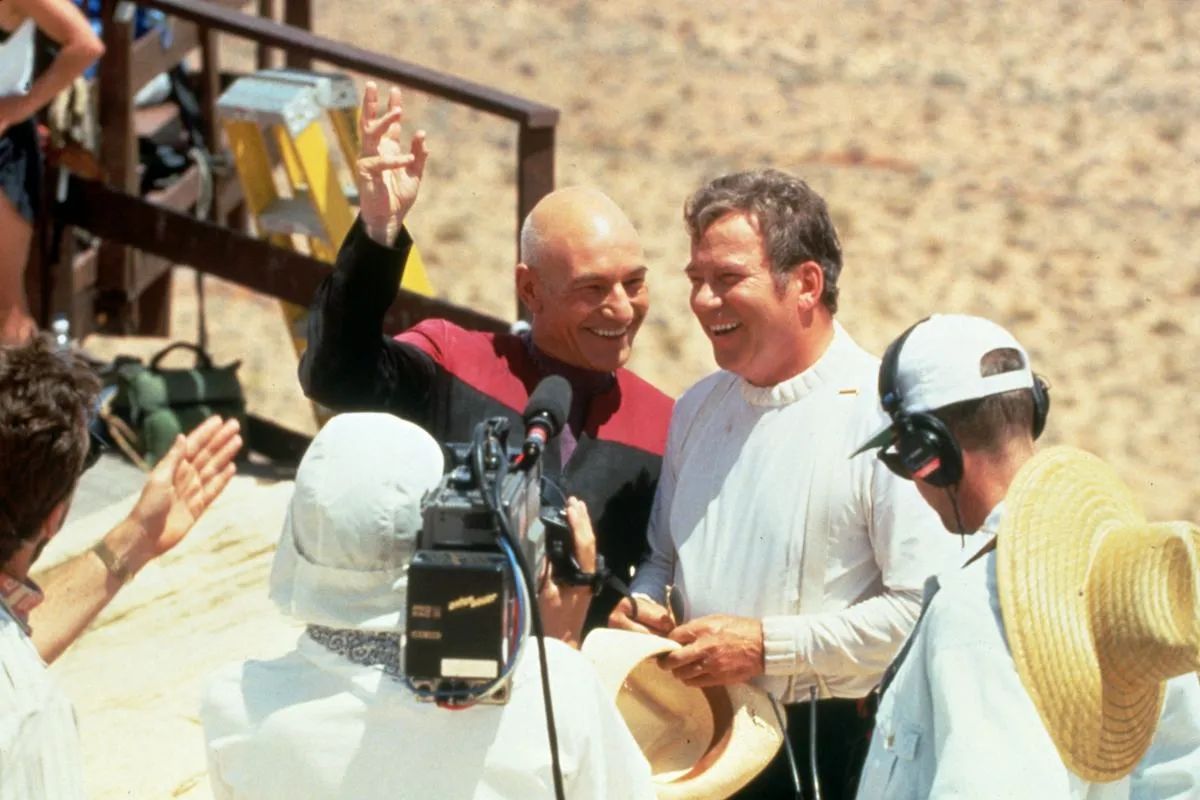
The Nacelle Company’s recent docuseries The Center Seat II pulls back the curtain on how the production team fumbled the execution of a legacy-defining death scene. Co-writer Brannon Braga and his partner Ronald D. Moore originally drafted a starker, far more cynical demise involving a shot in the back. That initial concept aimed for raw irony, stripping away the cinematic grandeur normally reserved for a starship captain. Longtime franchise contributor Bryan Fuller notes in the docuseries that early drafts possessed a narrative strength that got systematically diluted through endless studio interference and timid revisions by producer Rick Berman and corporate higher-ups at Paramount.
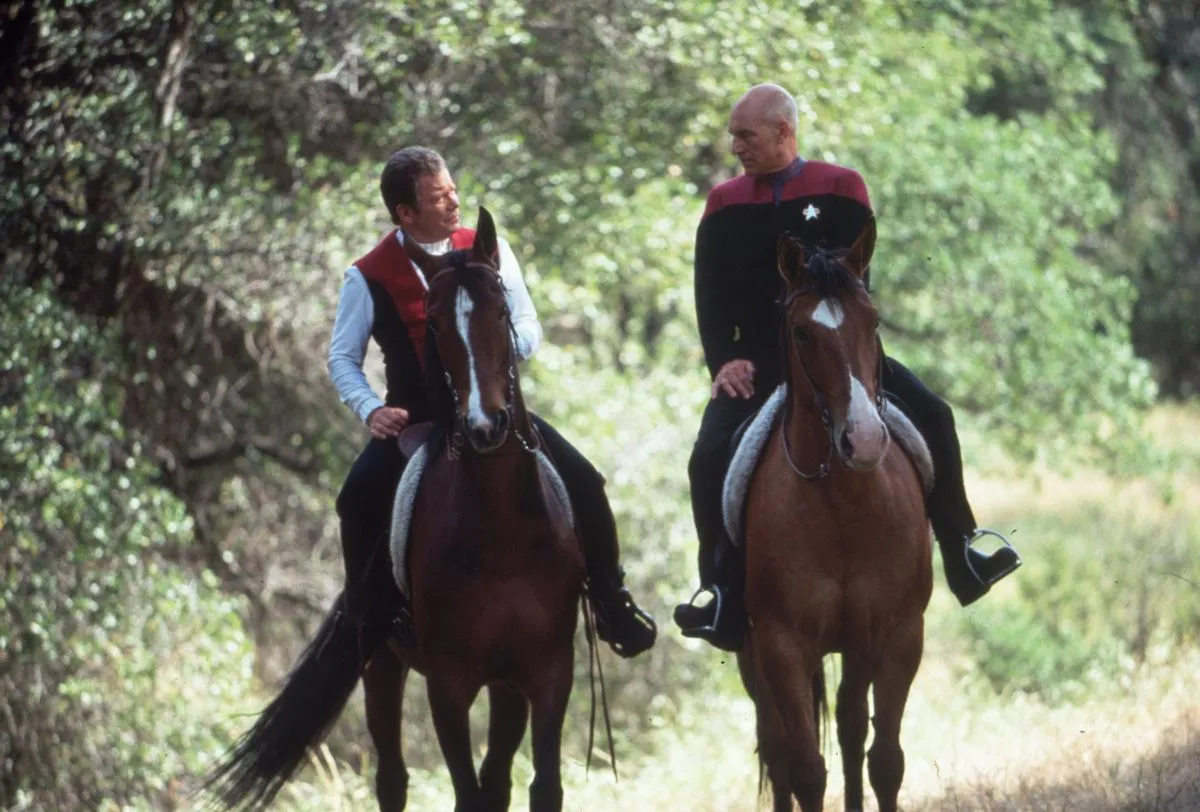
Director David Carson openly resisted the original blocked choreography, recognizing that a legendary hero could not simply be disposed of with a cheap ambush. Yet the studio refused to greenlight an alternative until focus groups reacted poorly during audience test screenings. Forced into a corner, the production cobbled together the Nexus bridge encounter alongside Patrick Stewart’s Jean-Luc Picard. The real salvation of the sequence, however, came from William Shatner himself during the final take, overriding the scripted dialogue with an unprompted murmur of existential wonder rather than sticking to the blandly polite closing remarks written for him.
Corporate Hollywood loves to package creative chaos as deliberate artistic vision, but the reality of franchise filmmaking usually resembles a high-stakes salvage operation. When executives minimize bold writing in favor of market-tested mediocrity, productions must rely on spontaneous human error and actor intuition to rescue the material. Shatner’s improvised closing line didn’t fix the underlying structural flaws of a disjointed script, but it gave a cynical cash-grab moment a shred of genuine humanity. Ultimately, the most memorable parts of pop culture history rarely stem from the boardroom plan; they survive because the talent on the floor simply refuses to read the bad lines they were handed.
Author bio: Silas Sterling, a veteran kernel contributor and editor-in-chief of an open-source security digest, specializing in the intersection of digital culture, legacy media, and systemic software reliability.