

(SeaPRwire) – The entertainment industry thrives on leaks, but few have generated as much speculative heat as the recent “Court of Fowls” sign spotted on the set of *The Batman: Part Two*. While studio executives scramble to manage expectations and prevent spoilers from leaking to social media, Matt Reeves is clearly deploying a masterclass in narrative ambiguity. This isn’t just a plot point; it is a calculated signal to the hardcore fanbase that the sequel will transcend standard superhero fare and dive into the deep, dark political underbelly of Gotham. The tension between James Gunn’s DCU and Reeves’ universe is palpable, and this specific breadcrumb suggests Reeves is prioritizing narrative cohesion over franchise unification, effectively carving out a territory that demands respect from both critics and audiences. In a market saturated with interconnected cinematic universes, Reeves is betting that a standalone, high-stakes narrative will outperform a diluted, franchise-heavy approach, proving that a well-crafted mystery can sustain a franchise longer than a generic superhero slugfest.
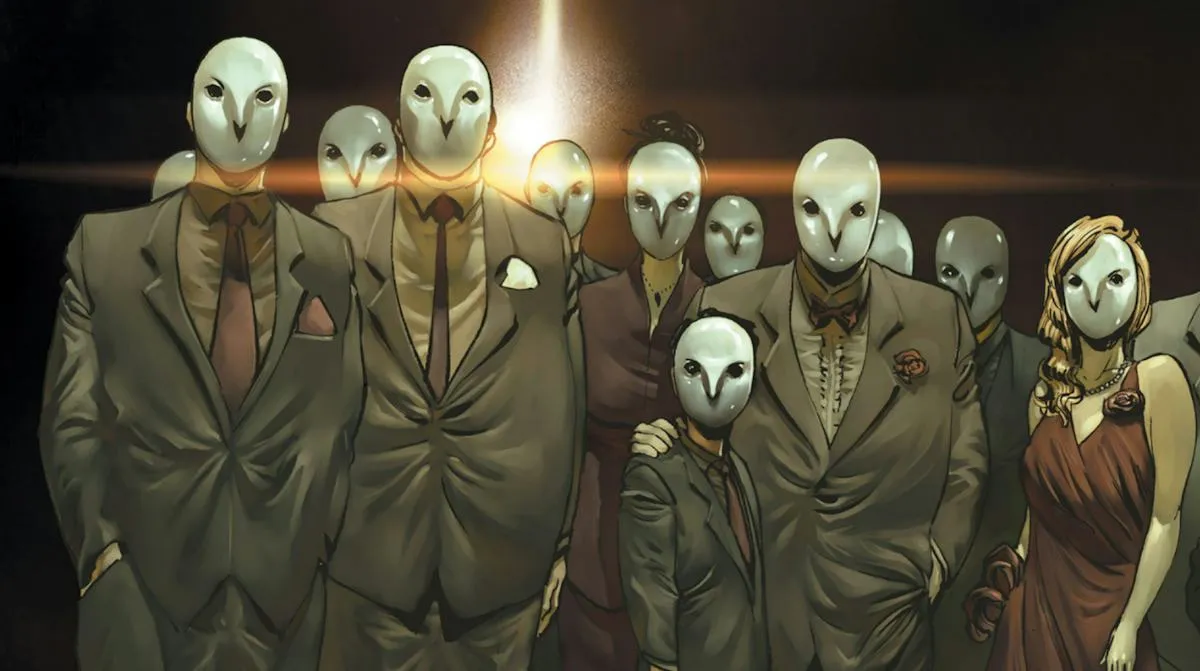
The leaked photographs from the Gotham courthouse set reveal a protest sign reading “Court of Fowls,” a direct nod to the 2011-2012 comic arc created by Scott Snyder and Greg Capullo. This detail is significant because it confirms Reeves’ willingness to mine the vast DC library for inspiration, much like he did with *The Long Halloween* and *Zero Year* in the first film. The timeline is tight, with the sequel hitting theaters on February 18, 2028. The subtext here is clear: the narrative bridge between the first movie and this sequel is being constructed with specific, fan-pleasing bricks. By referencing a storyline that debuted only 15 years ago, Reeves signals that he is not afraid to remix established lore to serve a new, darker narrative purpose, ensuring that the film feels like a direct continuation rather than a standalone reboot. The Court of Owls themselves are a ruthless organization of wealthy citizens and politicians who have exerted their will since Gotham’s founding, employing undead assassins known as Talons—a detail that promises visceral, high-octane action sequences that will likely redefine the physical action benchmarks for the genre.
Beyond the sign, the context of the first film provides a structural anchor for this new threat. The Riddler’s flood devastated Gotham, leaving Bruce Wayne in a position of immense wealth and responsibility. The Court of Owls, a shadow organization of wealthy elites, represents the ultimate antagonist to this recovery effort. Furthermore, the casting of Charles Dance as Harvey Dent’s father adds a layer of generational influence that fits perfectly with the Court’s modus operandi. Reeves is not just adapting a villain; he is adapting a social commentary on power, corruption, and the wealthy elite pulling strings from the shadows, a theme that resonates deeply in our current economic climate. The presence of the sign amidst a protest also suggests a class struggle narrative, framing Batman not just as a vigilante, but as a symbol of disruption to the established order. This aligns perfectly with the upcoming *Penguin* spin-off, suggesting a shared universe of corruption that spans from the streets to the boardrooms, creating a complex ecosystem of crime that the audience will be eager to explore.
Whether the sign is a genuine plot device or a red herring designed to trick audiences—much like the Superman and Wonder Woman costumes in the first film’s early leaks—the strategic value is undeniable. By teasing the Court of Owls, Reeves secures the intellectual property’s relevance and ensures that *The Batman: Part Two* will dominate the box office conversation long before its release. The industry is watching closely to see if Reeves can deliver on this high-stakes promise, but for now, the breadcrumbs are leading straight to a franchise-defining moment. The market is hungry for content that challenges the superhero formula, and Reeves is positioning himself to be the one who finally cracks the code on how to make a sequel that feels like a necessary evolution rather than a repetitive cash grab. The 2028 release date gives him ample time to refine this vision, but the pressure is already mounting as the industry anticipates a shift in the superhero landscape.