


(SeaPRwire) – By: Ethan Gallagher
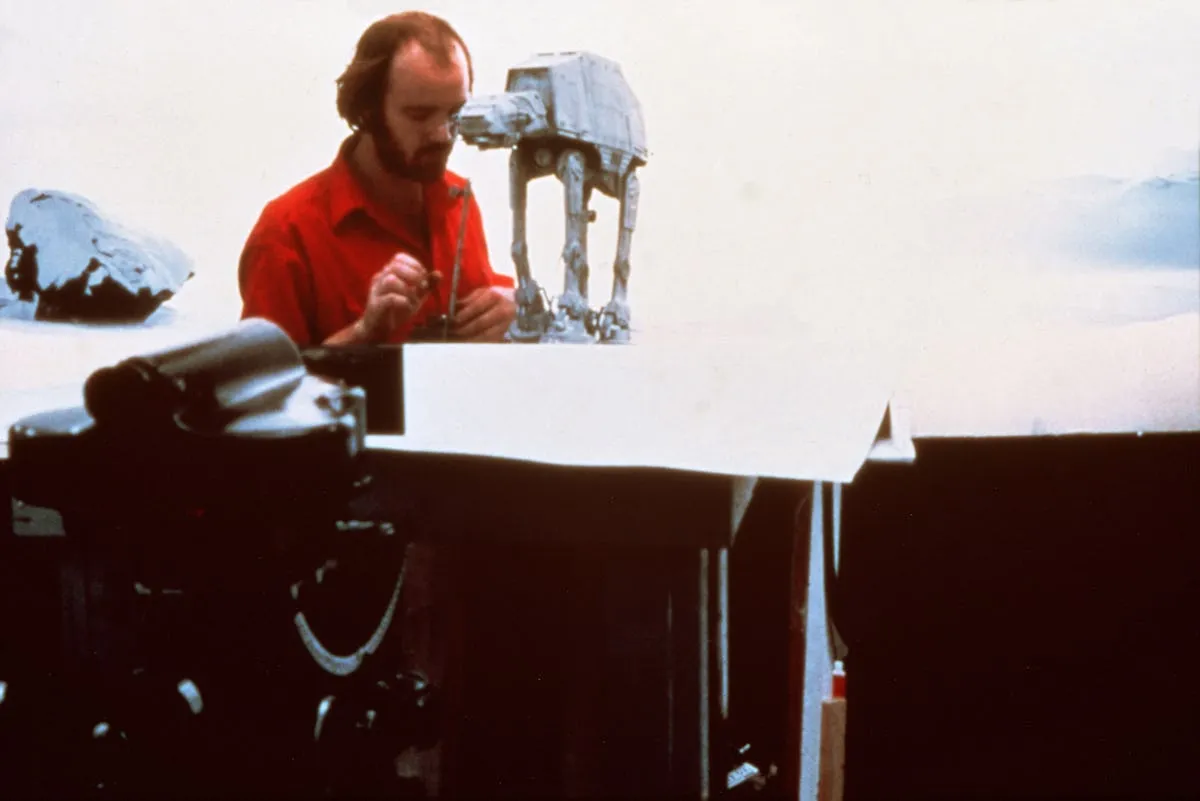
The physical extinction of practical visual effects infrastructure in North America is no longer a slow erosion. It is an aggressive asset liquidation disguised as artist retirement. Tippett Studio entered Chapter 11 bankruptcy proceedings. It shut down its longtime physical Berkeley facility after 51 years of history. Corporate media framed the shutdown as a legendary visual artist hanging up his sculpting tools. That narrative hides a brutal economic truth. Phil Tippett helped build the foundational visual language of modern blockbuster cinema. He pioneered stop-motion animation in the holochess scene for Star Wars: A New Hope. He performed as a cantina band member in the same movie. He worked across the original Star Wars trilogy. He served as the credited Dinosaur Supervisor on Jurassic Park. His practical effects work defined Indiana Jones and the Temple of Doom, Willow, and RoboCop. In 2021, he released his long-in-the-works passion project Mad God. He described that labor to Inverse as pursuing a dream only to find yourself chained to a rock with a bird eating your liver. He noted that closing that chapter was vital for his own sanity. That statement exposes the financial nightmare of physical animation. Hand-sculpted puppets and stop-motion stages carry massive spatial overheads. They cannot compete against digital software pipelines. The Berkeley fire sale marks a total financial collapse of practical effects facilities.
Official press coverage presents the studio liquidation as a rare opportunity for movie fans. Clarity Estate Liquidation executed a three-day fire sale at the Berkeley studio location. Admission was strictly constrained through an in-person sign-up sheet. Buyers purchased hundreds or thousands of screen-used movie props, models, prototypes, and film items. Tippett told Berkeleyside that he is retired from the racket. He confirmed his last major studio project was the Twilight series. Media reports emphasize that Tippett is keeping his two Academy Awards while selling off his collection. But the commercial reality behind this liquidation reveals severe financial insolvency. Maintaining physical animation facilities in the San Francisco Bay Area demands unsustainable cash flow. Sculpting bays, physical armatures, and stop-motion rigs require expensive commercial real estate. Hollywood studios systematically squeezed profit margins out of practical FX vendors over the past two decades. Selling off physical props under Chapter 11 bankruptcy is not a celebration of cinematic legacy. It is a desperate liquidity event designed to convert physical workshop inventory into cash for creditors.
Corporate social media posts attempt to reassure clients about ongoing business viability. Tippett Studio announced on Facebook that it decided to evolve its physical footprint and production approach. The company confirmed its exit from the longtime Berkeley facility. Public statements insist that the studio continues visual effects and animation work across film, television, and entertainment. Company updates spotlight operational continuity in Canada. Their Toronto studio is currently in active production on a large feature film. However, this geographic migration relies entirely on structural tax arbitrage and operational downsizing. Canadian visual effects hubs survive on heavy provincial tax credits and lower digital labor costs. Canadian facilities do not maintain physical model shops, sculpting studios, or miniature stop-motion stages. Moving production from Berkeley to Toronto marks the absolute end of physical workshop capabilities. The physical prototypes sold at the liquidation sale represent liquidated tooling. What remains in Toronto is a digital rendering vendor operating standard software asset pipelines.
Practical visual effects studios are completely dead as standalone domestic hardware infrastructure in North America. Shifting digital software tasks to subsidized Canadian studios may preserve corporate name recognition on end credits. But the physical model craft that built 51 years of cinematic history has been liquidated on a sign-up sheet.
Author bio: Ethan Gallagher, a Silicon Valley Hardware Architect and Infrastructure Strategist, analyzes structural shifts in media compute pipelines, graphics hardware rendering workflows, and enterprise asset management.