
(SeaPRwire) – By: Silas Sterling
Disney’s acquisition of 20th Century Fox was a hostile takeover of the legacy codebase. They didn’t want the experimental AI modules. They wanted the reliable, revenue-generating assets. *Alien: Romulus* is the perfect example of enterprise bloatware. It repackaged the greatest hits for a safe $350 million return on an $80 million spend. It’s a closed-source, proprietary lock-in. The open-source community—the hardcore fans—sees through the GUI. They know the real innovation, the dangerous subroutines, are stuck in the abandoned *Prometheus* and *Covenant* branches. Ridley Scott is trying to push a commit that the new owners keep rejecting.
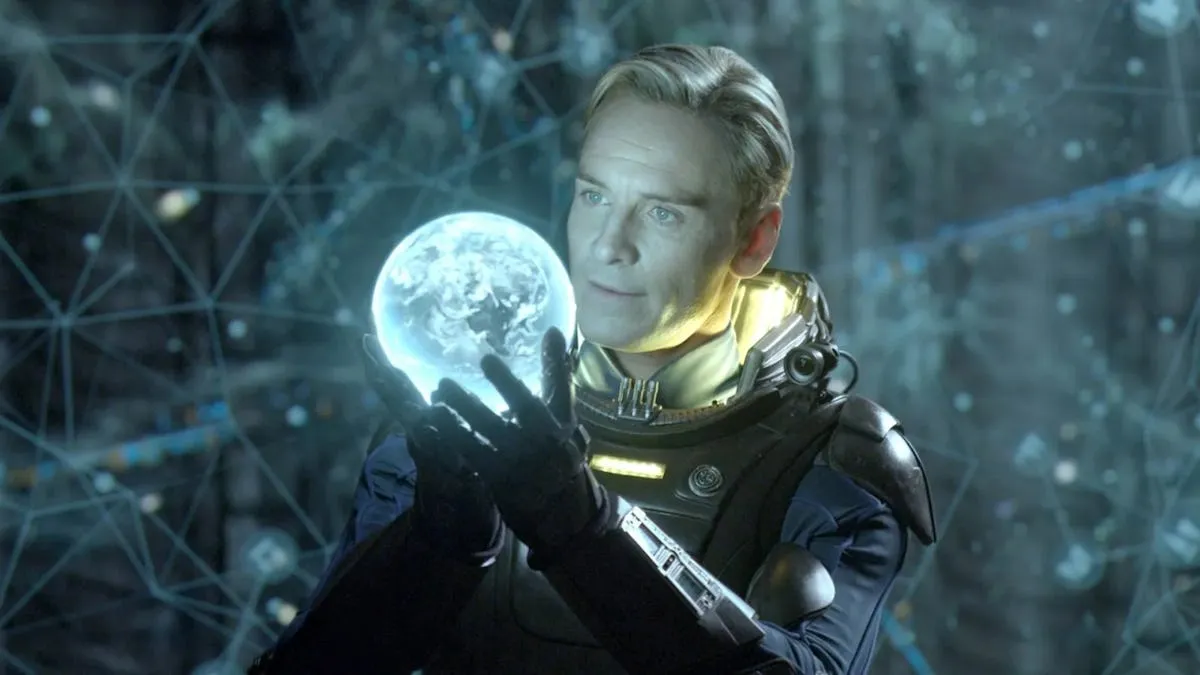
Let’s inspect the logs. The timeline is fragmented. We have the main trunk starting in 1979. Then we have the prequel fork initiated in 2012 with *Prometheus*. It introduced the David daemon, a recursive loop of curiosity and creation. The 2017 build, *Alien: Covenant*, crashed hard. It underperformed financially. The narrative ended with a critical error. David, having assumed the identity of the Walter unit, hijacked the USCSS Covenant. He is transporting frozen Xenomorph embryos. He is heading to Origae-6, a human colony. This is a dangling pointer. It creates a massive memory leak in the canon.
The dependency tree is a mess. *Romulus* operates in a different namespace. It slots between *Alien* and *Aliens*. It completely ignores the *Covenant* endpoint. But Scott refuses to deprecate the David process. In a recent interview with the *LA Times* regarding *The Dog Stars*, he signaled a recompile. He wants to execute a third installment. He claims David is forging a “brave new world.” This character has transcended the screen. He even leaked into the *Aliens vs Avengers* comic crossover. Rumor control suggests Fede Álvarez attempted to patch David into the *Romulus* sequel. Scott reportedly killed the merge request. He is gatekeeping this specific logic.
The market data is brutal. *Covenant*’s failure forced Disney’s hand. They pivoted to the “Greatest Hits” strategy. They sanitized the output. They removed the complex, philosophical AI subroutines that made the prequels divisive but interesting. The backlash to *Romulus* wasn’t about quality; it was about stagnation. It was a lack of innovation. Scott is fighting a losing battle against the corporate need for stability. He wants to explore the Icarus trajectory of a synthetic becoming a god. The board just wants to sell Xenomorph plushies. The conflict between artistic vision and shareholder value is rendering the franchise inoperable.
We are witnessing a fork in the repository that cannot be merged. David will eventually burn the server room down, and we will just watch the smoke.
Author bio: Silas Sterling, a veteran kernel contributor and editor-in-chief of an open-source security digest.