

(SeaPRwire) – By: Oliver Hawthorne
Entertainment conglomerates routinely treat vocal talent as interchangeable production inputs. Corporate roadmaps assume synthetic audio synthesis or marquee celebrity re-casts can easily bridge character continuity. The passing of voice actor Peter Cullen at age 85 exposes the fundamental flaw in this logic. Cullen was not simply a contracted voice actor reading lines. He engineered the acoustic backbone of Optimus Prime across four decades. He gave an authentic soul to a machine. Modern media holding companies build perpetual franchises designed to generate decades of recurring licensing revenue. Yet these corporate models continuously collide with the physical reality of human mortality. Studio planning relies on periodic cast purges to launch fresh toy lines and update retail inventory. They routinely undervalue the enterprise equity stored inside a singular human vocal timbre. Audience affinity drops sharply when executives replace an iconic vocal anchor. Media executives now confront an unforgiving commercial reality. You cannot replace forty years of established emotional infrastructure with top-down casting mandates.
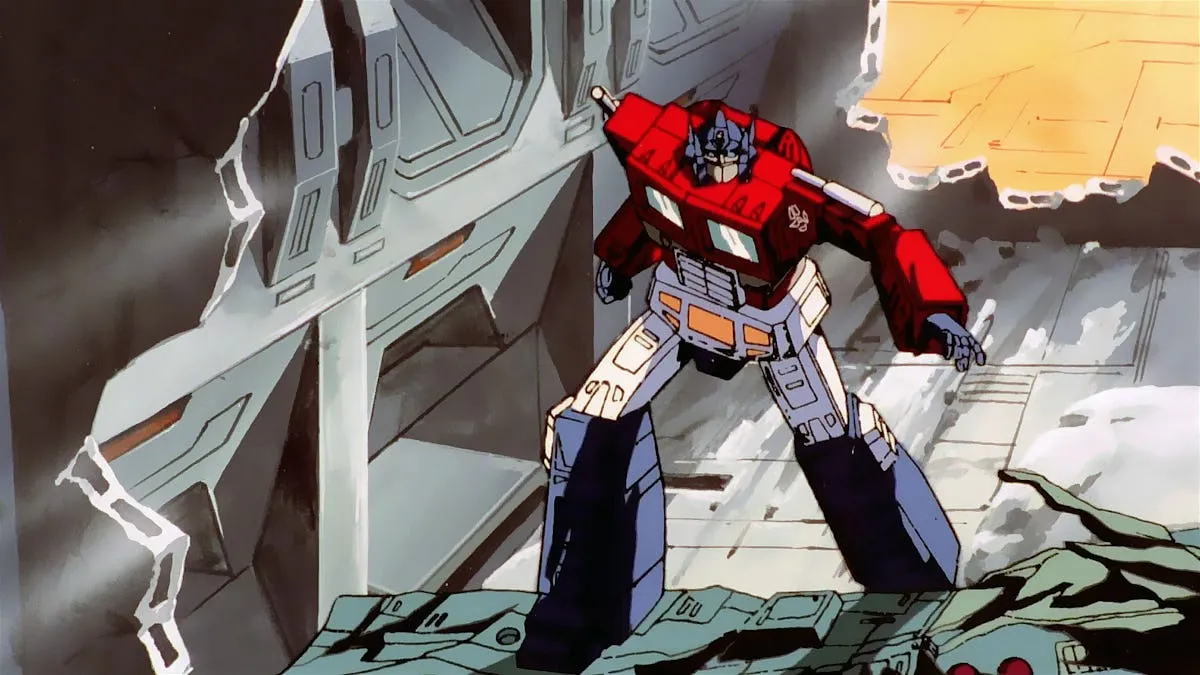
This friction between corporate financial strategy and audience retention dates back four decades. On August 8, 1986, *The Transformers: The Movie* debuted in theaters across the nation. Hasbro and film executives designed the project with a clear commercial goal. They needed to eliminate established character lines to create retail shelf space for new toys. About thirty minutes into the film, Optimus Prime suffered fatal injuries in his battle against Megatron. The Autobot leader died on screen. The resulting consumer shock forced an immediate operational turnaround. Audiences rejected Hot Rod as the reluctant new leader while the remaining cast battled Unicron, voiced by Orson Welles. Intense fan backlash compelled executives to reverse course rapidly. The studio resurrected Optimus Prime in a two-part television episode by February 1987. Cullen went on to voice Optimus Prime for over 40 years. His performance anchored both the original 1984 launch and Michael Bay’s live-action film franchise well into the 21st century. Beyond Optimus, Cullen lent his vocal talent to iconic characters like King Kong, the Predator, and Eeyore. Producer Lorenzo di Bonaventura confirmed Cullen’s indispensable status during a 2021 press briefing. He stated the role belonged to Cullen as long as he wanted it. No executive discussion existed without his direct involvement. However, Cullen’s passing at age 85 forces a permanent shift in franchise management. Hollywood has already experimented with alternative casting models, placing Chris Hemsworth in the role for 2024’s *Transformers One*. Meanwhile, distributor strategies continue to lean on historical catalog assets. *The Transformers: The Movie* returns to movie theaters for a brief run from September 17 through September 21, 2026. Audiences will hear Cullen deliver his famous line: “Do not grieve…soon, I shall be One with the Matrix.”
The modern intellectual property monetization loop relies on character asset longevity. Corporate boardrooms treat classic media franchises as perpetual yield-generating assets. However, these assets remain bound to the biological life of key performers. Cullen built the character’s emotional foundation over four decades. That unique vocal performance became the core product. Recasting the role with high-profile film actors like Chris Hemsworth in 2024 provides short-term marketing spikes. Yet it erodes the deep equity of the core brand over time. Fan communities resist top-down casting changes when emotional trust is broken. Executives must realize that voice talent is not modular studio hardware. The upcoming theatrical re-release from September 17 to September 21, 2026 acts as a financial test for legacy nostalgia. Media companies will continue seeking ways to extend franchise lifespans through catalog re-issues and licensing agreements. But without the authentic human core behind the character, corporate owners face diminishing returns on their capital investments.
Author bio: Oliver Hawthorne, a Principal Correspondent permanently stationed at an international technology review, covering entertainment media infrastructure, legacy voice IP, and hardware-software platform integration.