
(SeaPRwire) – By: Christian Pierce
Post-apocalyptic fiction is so saturated right now that studios are quietly panicking. Between The Last of Us dominating television, Fallout turning video game lore into billion-dollar franchises, and 28 Years Later proving the genre still bleeds at the box office, every major production house is racing to attach its name to the next dusty wasteland story. The Dog Stars arrives in this climate carrying the weight of Ridley Scott’s name, Jacob Elordi’s youthful gravitas, and a 2012 novel by Peter Heller that predates the current boom by over a decade. The problem is not the film itself. The problem is timing, and the industry has no good answer for what happens when the well runs dry.
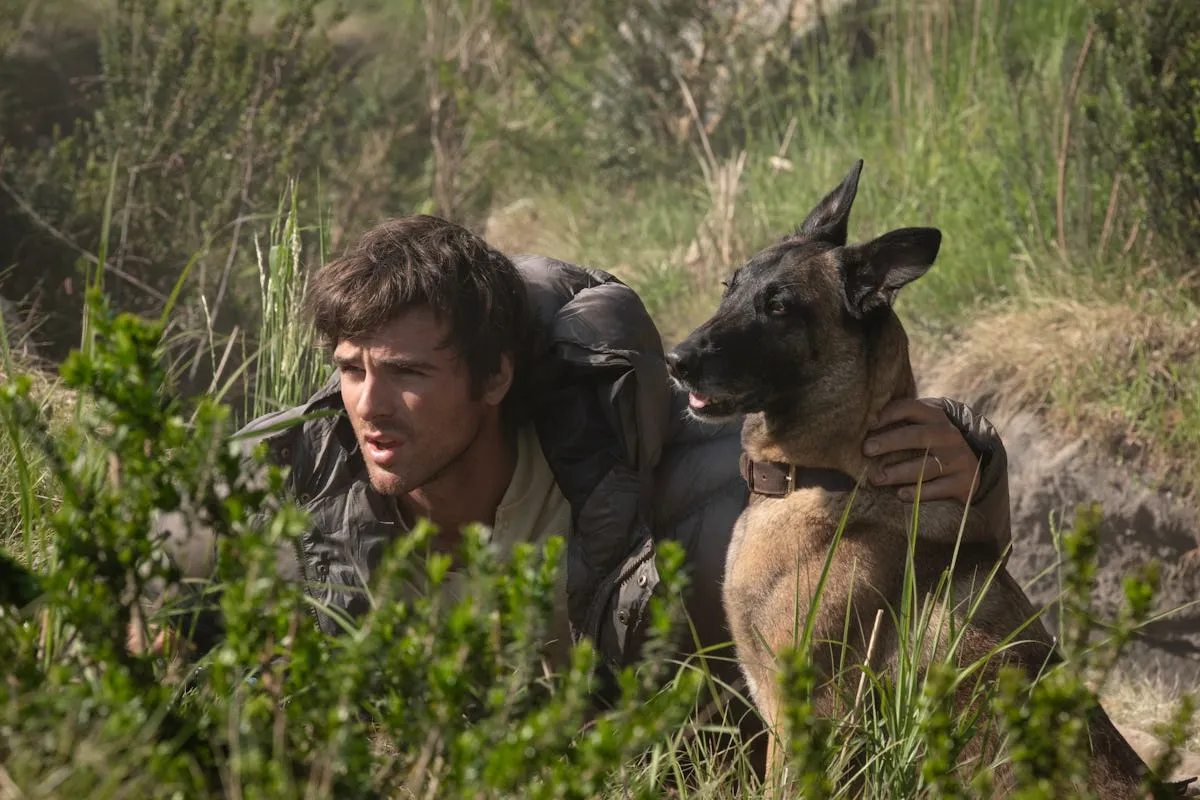
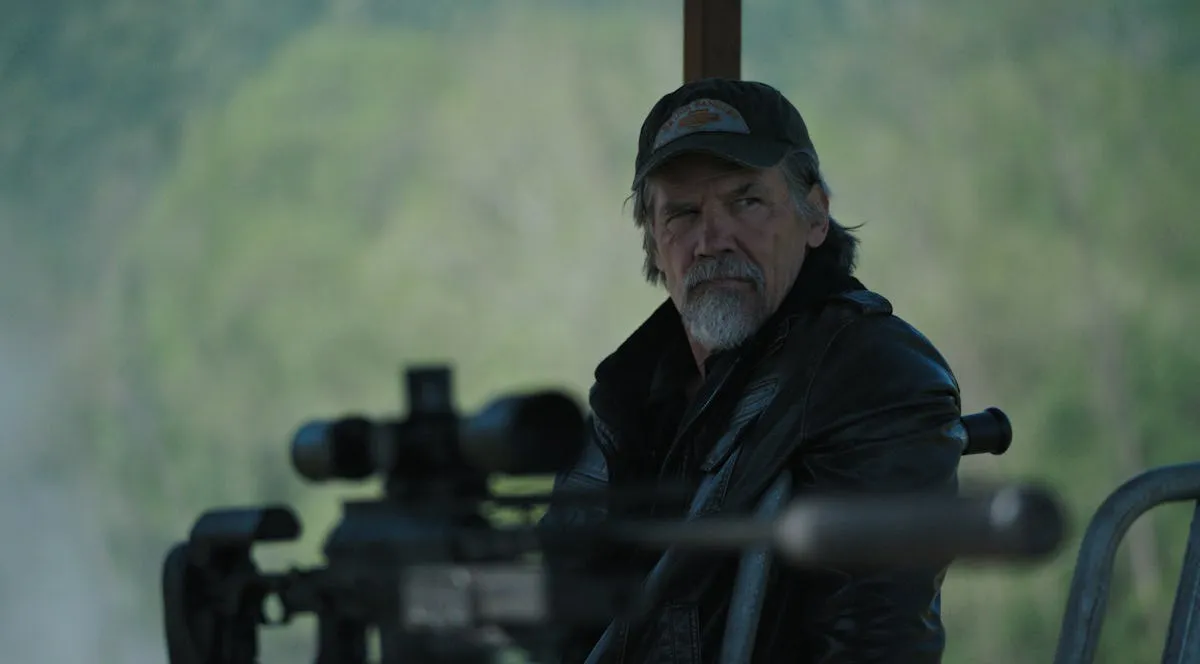
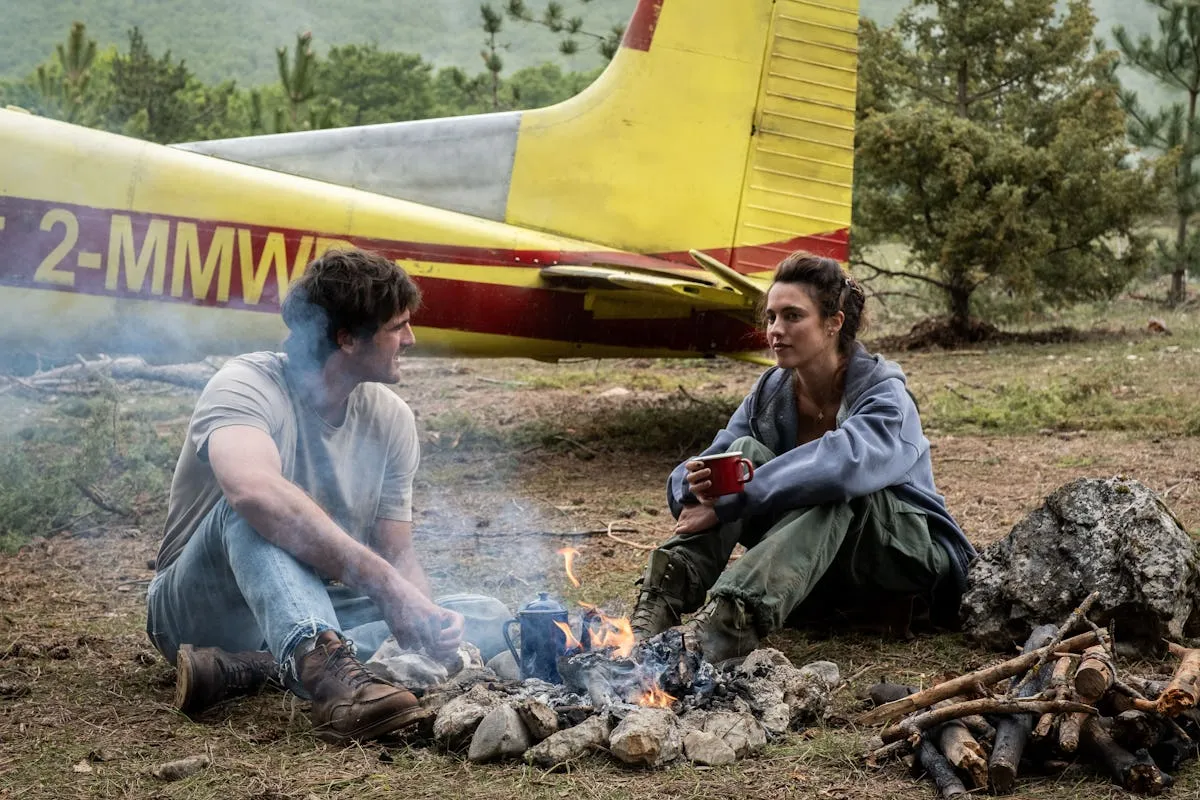
Let me lay out the facts plainly. Scott adapted Heller’s novel with a screenplay from Mark L. Smith, the writer behind The Revenant. The film centers on Hig, played by Elordi, a survivor who flies a rickety vintage plane over the abandoned city of Erie, Colorado, resupplying at gas stations, bars, and hospitals. Josh Brolin plays Bangley, his survivalist roommate with darker instincts. Margaret Qualley and Guy Pearce appear as Cima and Pops, people Hig meets after he finally leaves his fortress to follow a distress call from Grand Junction. The movie opens August 28 through 20th Century Studios. Alison Janney delivers a mid-film shock segment that the review describes as delightfully unhinged. Benedict Wong appears with only a handful of lines. The cast is otherwise predominantly white with conventionally striking looks. None of this is new. Every post-apocalyptic drama since The Road in 2009 has followed a nearly identical template. The Last of Us refined it for television. Fallout gamified it. This film simply arrives after all of them, carrying the same melancholic DNA without adding anything structurally different.
What the industry should actually be tracking here is the commercial loop collapsing around prestige apocalypse fare. The Road proved the genre could win awards. The Last of Us proved it could sustain a cultural moment across multiple seasons. Fallout proved it could convert interactive entertainment into mainstream gold. The Dog Stars proves none of those lessons made this particular project distinctive. Elordi delivers a soulful performance. The film features long lingering pans over untouched mountain landscapes. The folksy country soundtrack underscores slow-moving contemplative stretches. It is competent. It is not essential. And in a mediascape crowded with post-apocalyptic content, competent is increasingly dangerous for a studio. Scott himself is pushing 90 and has found his best recent footing leaning into grim nihilism, not meditative survivalism. The Last Duel, Napoleon, House of Gucci all shared that aggressive energy. This film approaches its source material with a workmanlike mentality that the review accurately identifies as the core weakness.
The real question for executives watching this space is simple. When does the post-apocalyptic cycle break? The answer is already writing itself. The Road was fresh in 2009. Heller’s novel came out in 2012, back when The Last of Us video game had not yet reshaped the genre. This movie feels like it came from that earlier era. It is not a bad movie. It is a movie that arrived after the cultural moment it was built for had already peaked and fragmented into a dozen competing offerings. Studios should note that prestige genre fatigue is not about quality decay. It is about market oversaturation. The Dog Stars will find an audience. It will not define the next phase of the genre. That phase is already being written by something else entirely.
Author bio: Christian Pierce is a chief financial columnist and markets commentator covering entertainment industry economics and content market trends.