
(SeaPRwire) – By: Lucas Caldwell
You’ve seen the lines. Stores imposing purchase limits on sealed packs. Celebrities quietly spending millions at auction houses for holographic first-edition cards. The Pokémon TCG became a real-world economic monster long before anyone called it a cultural phenomenon. Then the movie announcement landed and suddenly we realize it took 28 years for the cards to get their own frame.
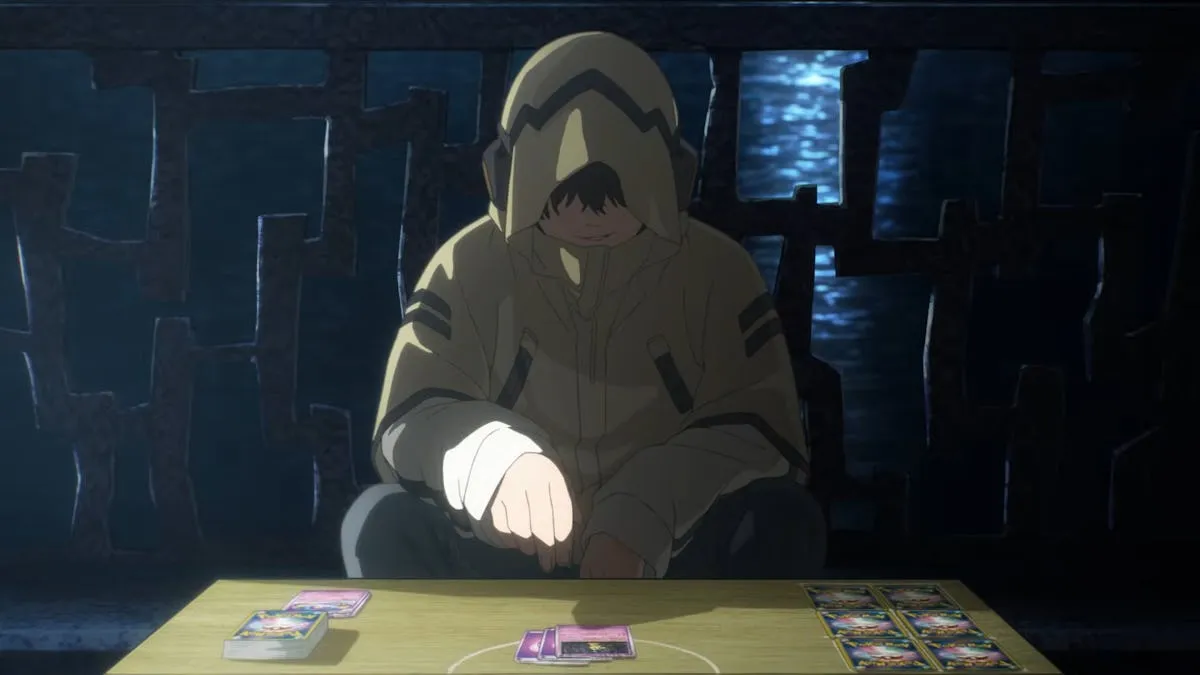
The official details are precise and deliberate. Pokèmon: Wild Card was revealed during the closing ceremonies of the 2026 Pokèmon World Championships in San Francisco. It arrives in 2027. That marks the first Pokèmon movie since the 2021 animated film Secrets of the Jungle. The teaser itself carries weight. We see a Pokèmon card with the classic Japanese card back and its distinctive gold border. The English version uses a simpler blue border design. The teaser shows Mimikyu beneath the moon and then cuts to a TCG player wearing a hoodie patterned to mimic the Pokèmon’s appearance. Every visual choice signals this targets the collector base first.
The deeper lore question is where the TCG actually sits inside Pokèmon’s fictional universe. The trading card game appeared in the Game Boy Color title Pokèmon Trading Card Game. That segment was limited to a single island with questionable canonical status. Wild Card is proposing something different. The in-universe cards mirror the real-world Japanese cards exactly. The question of whether the TCG operates as a genuine cultural pillar within that world opens interesting storytelling possibilities. There are scalpers in their universe too. There are likely celebrities bidding millions for rare cards. The franchise has always treated the TCG as a parallel economy. This movie makes that parallel explicit.
Wild Card represents the most significant narrative expansion since the 2021 release. The real-world TCG already generates hundreds of millions annually through collector markets and competitive play. The movie approach signals a shift toward world-building rather than standalone character adventures. This is the franchise treating its most profitable spinoff as a centerpiece instead of an accessory. The 2027 release date will tell us whether this strategy is sustainable or just a seasonal play.
Author bio: Lucas Caldwell, a tech opinion leader with millions of followers on X/Twitter who covers the intersection of entertainment franchises and digital culture.