
(SeaPRwire) – By: Robert Kensington
Neon is doing something it has never done before. A 4DX release. Not for a blockbuster with a built-in fanbase. For a South Korean sci-fi thriller that critics called gorgeous but noted had dodgy CGI. The move is not about artistry. It is about margin.
Let me lay out the facts before we get lost in the spectacle. Hope, directed by Na Hong-jin, premiered at Cannes. Reviews praised the nonstop action. It is about a rural police chief and his rookie deputy defending their village from an alien creature. Neon acquired English-language distribution rights. The wide release lands September 9, 2026. The 4DX preview is September 7. Only two days before the general audience ever gets a seat. This is the same playbook used for The Monkey, Oz Perkins’ film. The difference is that Hope marks the first time a Neon title has ever been given a 4DX release.
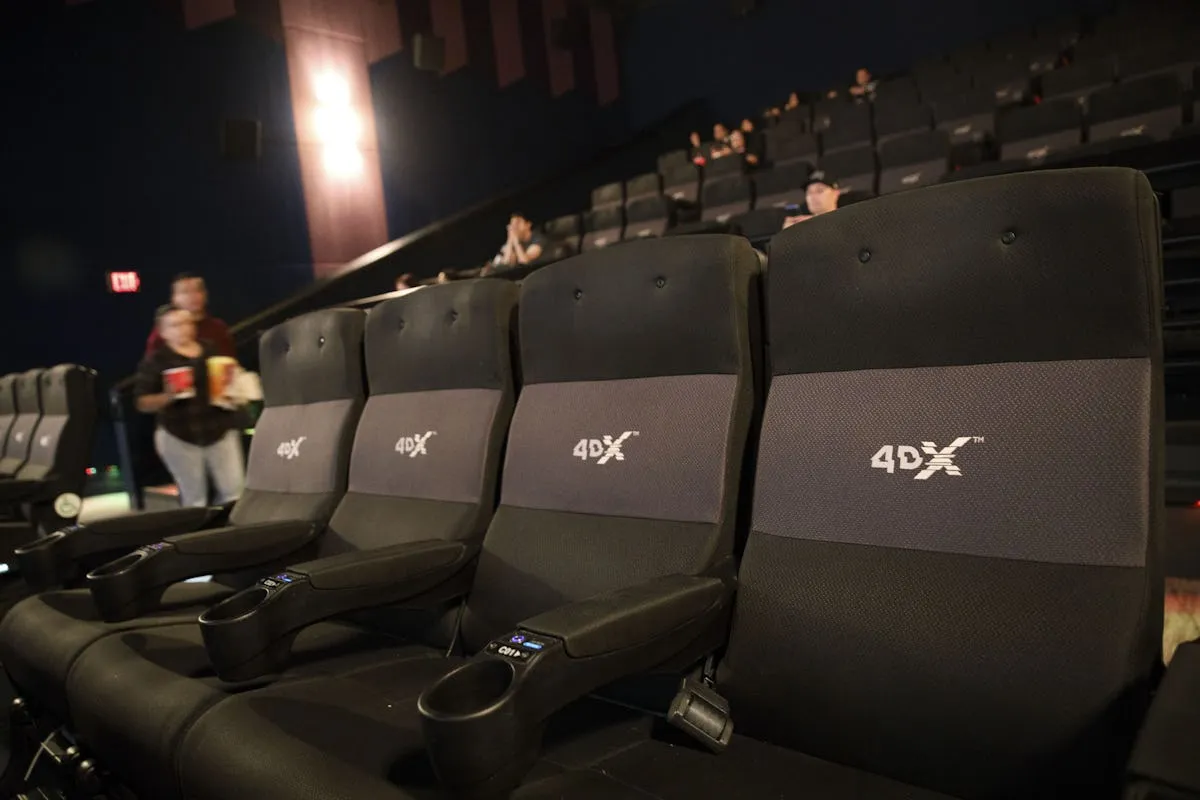
The real story is in what happened to theater attendance. Since 2009, when 4DX first launched, trips to the cinema became an event. Advance ticket sales. Themed refreshments. Souvenir popcorn buckets. The technology got a second wind because the alternative was worse. People stopped going to movies as a habit. They started going as an occasion. Twisters proved that in 2024. A TikTok meme showed viewers reacting before and after the experience. The Boys finale followed the same path. TV content entered the 4DX format too. The business model shifted from selling tickets to selling experiences.
Here is what the official announcement does not say. Neon is not testing whether this film works in 4DX. The film was chosen because reviews called the action sequences an instant cult classic. Twisters worked in 4DX because characters got thrown around by wind. Weather-driven action translates directly to moving seats and water sprays. A film like Sentimental Value or Nirvanna the Band the Show the Movie would not justify the price markup. Neon knows this. They selected the only film in their upcoming slate where physical effects actually enhance the viewing experience rather than distract from it.
The subtext is clearer than any press release. Neon is running a yield management experiment. By holding back the 4DX showing until two days before general release, they create scarcity. Limited moving seats. Time pressure. FOMO as a distribution strategy. This is the same psychology that drove the souvenir bucket trend. The question is not whether it works for Hope. The question is whether this model becomes the default for mid-budget genre films going forward.
Theaters need higher per-seat revenue. Studios need word-of-mouth velocity. 4DX serves both masters. The physical format creates social media moments. Those moments drive ticket sales for the general release. The gimmick funds the mainstream rollout.
I have sat in rooms where distributors discuss premium format strategy. The conversation is always the same. How much can we extract before the experience loses its novelty? 4DX survived because it stopped being technology and started being content. You do not watch 4DX to see a movie. You watch it to feel something the screen alone cannot deliver.
The supply chain behind this model is fragile. 4DX theaters are limited. The equipment requires maintenance. The effects need synchronization. If Neon pushes this format too far, too fast, the experience degrades. The gimmick becomes routine. The novelty evaporates. That is the risk nobody is talking about.
Theaters are betting that audiences will pay more for the same movie twice. Once in 4DX. Once in regular format. If the first experience is memorable enough, the second becomes optional. That is the revenue expansion strategy. It works until it does not.
The market is reshuffling around premium format exclusivity. Distributors who control early access to enhanced experiences gain leverage over venue operators. The power is shifting from screens to strategies. Neon just made a move that redefines what a theatrical release looks like for mid-tier genre films.
Author bio: Robert Kensington is an overseas entrepreneurial veteran with decades of experience in real-economy industrial investment and expansion, covering distribution strategy and exhibition economics for global entertainment trade publications.