(SeaPRwire) –
By: Silas Sterling
Hollywood marketing teams act like they invented the reboot. They drop breathless press releases about reimagined IP. They promise fresh takes for new generations of fans. Hang around any old cult film IRC channel, public sci-fi tracker, or late-night con suite chat, and you’ll hear the same reaction. Longtime genre fans are tired of the grift. They know none of this is new. *Big Trouble in Little China* director John Carpenter beat every major studio to the punch 30 years ago. He proved remakes could draw mainstream theatrical crowds, even outshine their source material. He didn’t even bother to frame his take as a bold creative revolution.
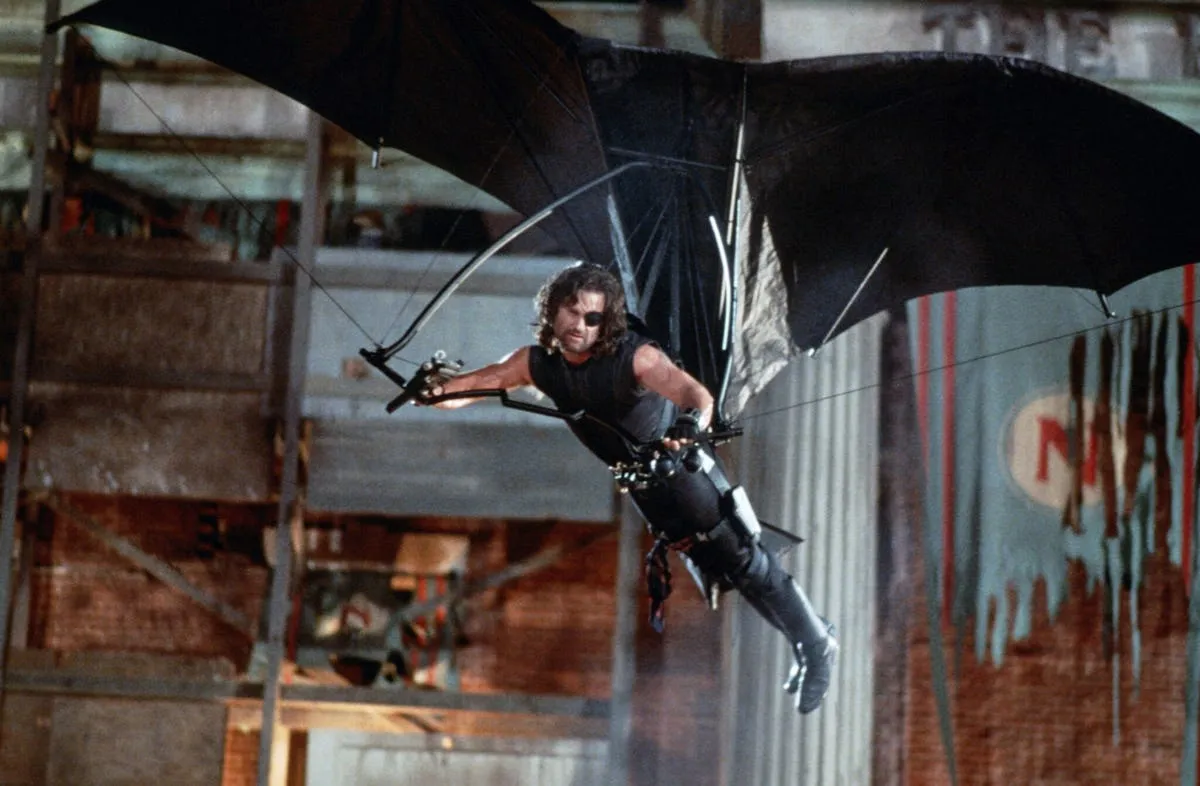
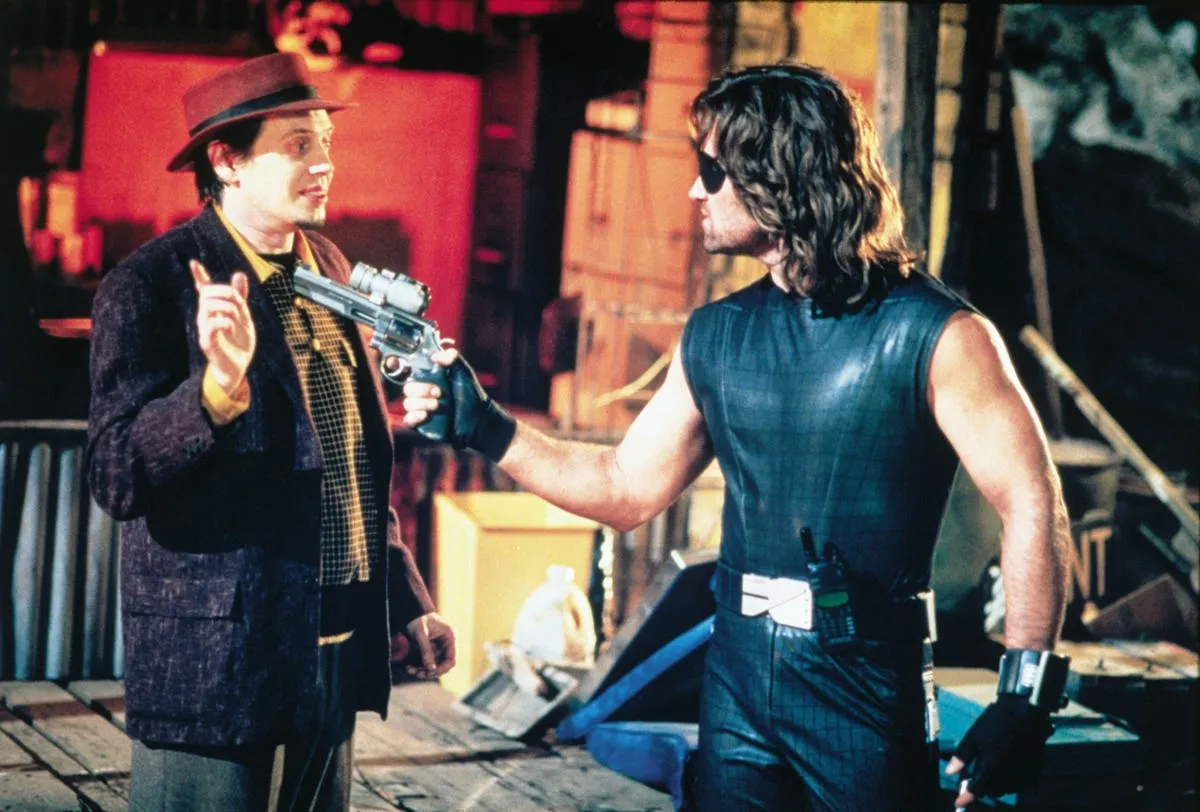
1981’s *Escape from New York* laid down Carpenter’s tight dystopian blueprint. It followed disgraced Special Forces vet Snake Plissken, played by Kurt Russell. He was sent into a walled Manhattan maximum-security prison to rescue a stranded president. 1996’s *Escape from L.A.* is billed as a sequel on official release materials. It copies the original’s narrative structure down to every story beat. It opens with an authoritarian American regime led by a deranged theocratic president (Cliff Robertson). It gives Snake a terminal disease injection to force his compliance. It sets him on a mission to track down the stolen Sword of Damocles superweapon. He faces off against a charismatic fugitive revolutionary (Georges Corraface) holding the device. It hits every familiar story beat from the original, right down to the ticking clock. Carpenter never hid this structural echo. He spoke to Total Film in 1997 about the choice. He compared the two films to Howard Hawks’ classic Westerns *Rio Bravo* and *El Dorado*. Hawks reused core narrative structure, he noted, while swapping out every surface detail.
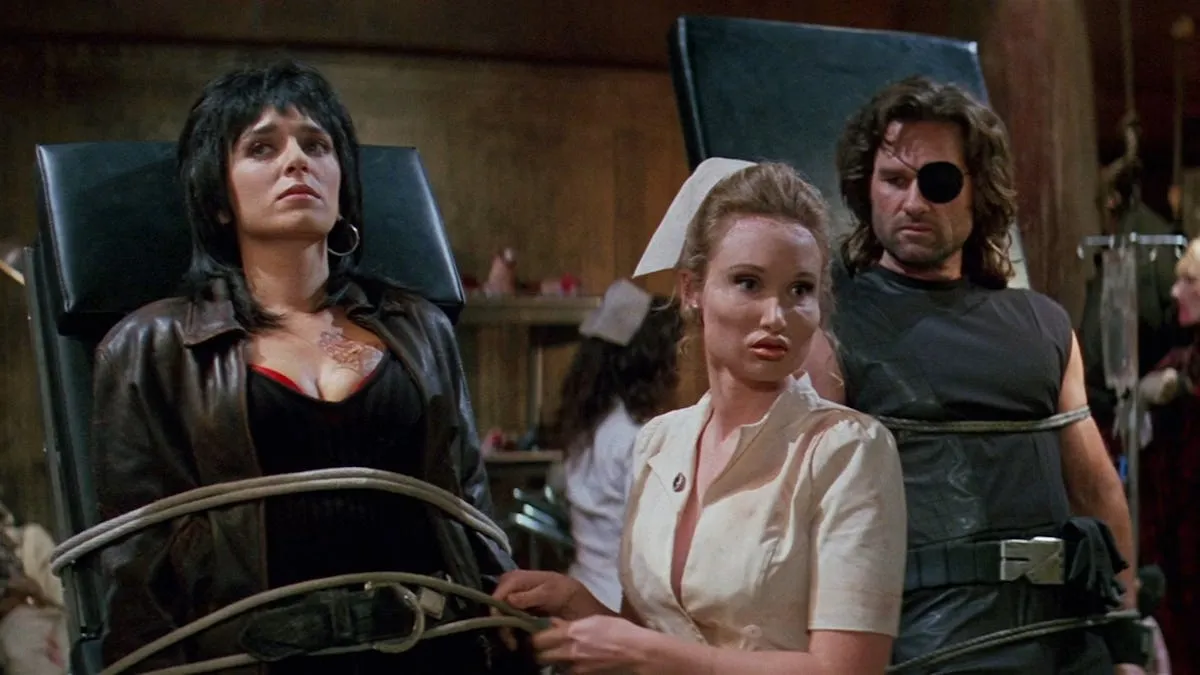
Carpenter did not just copy-paste his 15-year-old script. He built the L.A. story to fix flaws he saw in the New York original. He swapped the grim, rain-soaked Manhattan ruin for a sun-bleached, chaotic L.A. island prison. His 2013 dystopia took unsubtle shots at theocratic moral panics. The film’s president bans profanity, premarital intimacy, smoking, even red meat. Violators face execution or permanent exile to the island. He wove in sharp, campy gags about L.A.’s cultural fixations. There are sequences built around surfing, celebrity basketball, plastic surgery obsession. He wrote in a glider attack launched from the wreckage of the gaudy “Happy Kingdom” theme park. He cast Bruce Campbell in a wild prosthetic cameo as the brutal Surgeon General. He told Creative Screenwriting in 2015 he considered the L.A. film ten times better than the original. He cited its broader scope, sharper satire, more mature thematic core.
The film split Carpenter’s fanbase wide open on release. Dedicated *Escape from New York* stans hated the campy tone. They cringed at the tsunami surfing set piece, the timed basketball death match. Many wrote it off as a lazy, cheap cash grab. Today, those same fans are the target audience for every major streaming service. Platforms like Prime Video now license the film to pad their content libraries. They do this while jacking up subscription prices, cracking down on password sharing. They run endless audience testing groups, tweak cuts to hit algorithmic engagement targets. They pour hundreds of millions into hollow reboots like the new DCU slate, Peacock’s upcoming *Crystal Lake* Friday the 13th prequel. None of these projects carry the raw, unpolished edge of Carpenter’s work. They exist only to retain subscribers, sell merch, and lock viewers into endless content slates. These projects chase the exact audience that fell for Carpenter’s work decades ago.
Carpenter ended *Escape from L.A.* on a pitch-black note. Snake gets his hands on the global kill code for the Sword of Damocles weapon system. He triggers it deliberately, wiping out every power grid on Earth. He sends the entire planet back to pre-industrial darkness, just to stick it to the tyrannical president. He made the film he wanted to make. He answered to no board of directors, no content strategy team, no algorithm engagement report. There were no franchise roadmap mandates, no shared universe teases, no forced fan service beats. Modern studios will never give audiences that level of unfiltered creative intent. They will keep churning out low-effort reboots, charging more for less, until audiences finally pull the plug on the whole racket.
Author bio: Silas Sterling, veteran kernel contributor and editor-in-chief of an open-source security digest, covering tech, geek culture, and digital user rights for nearly two decades.