(SeaPRwire) – By: Ethan Gallagher
Streaming platforms don’t adapt Stephen King anymore. They mine him. The latest dig is “Carrie,” arriving October 7 on Prime Video, and the real story isn’t the cast or the director’s pedigree. It’s what this particular retread reveals about how a mature IP gets reverse-engineered for a demographic that never needed rescuing.
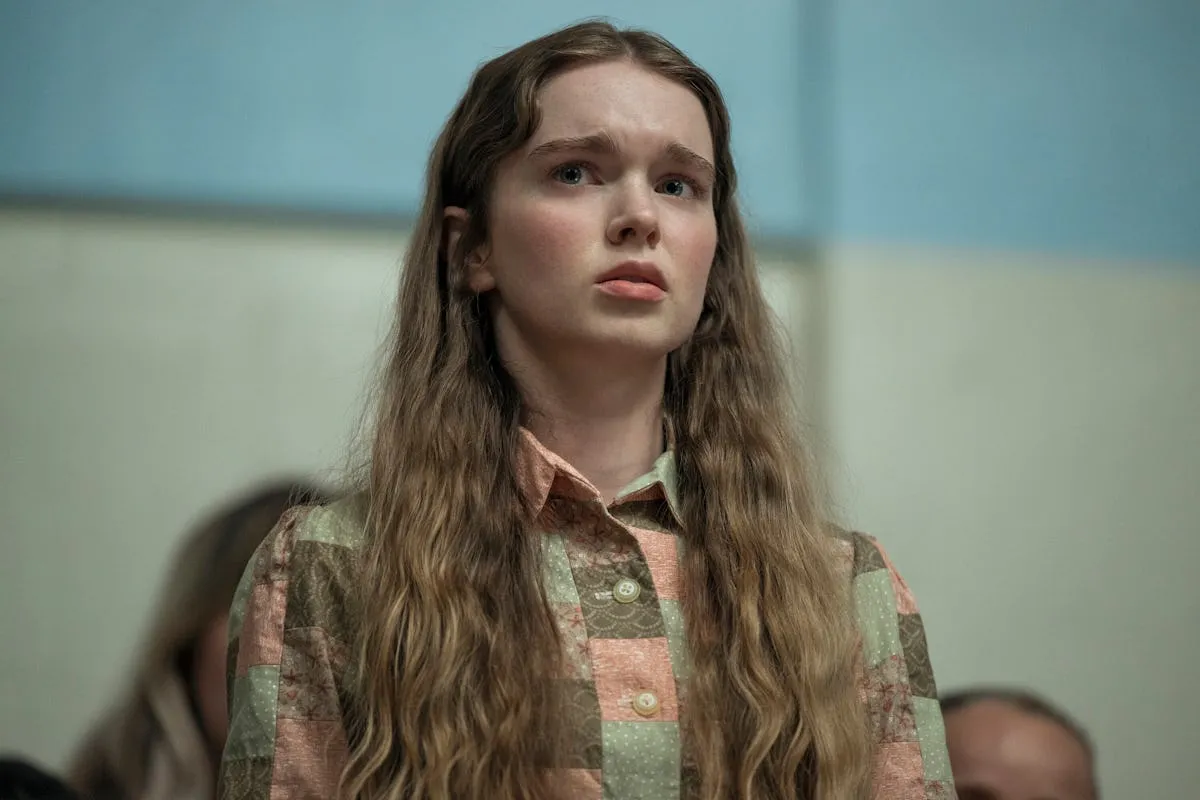
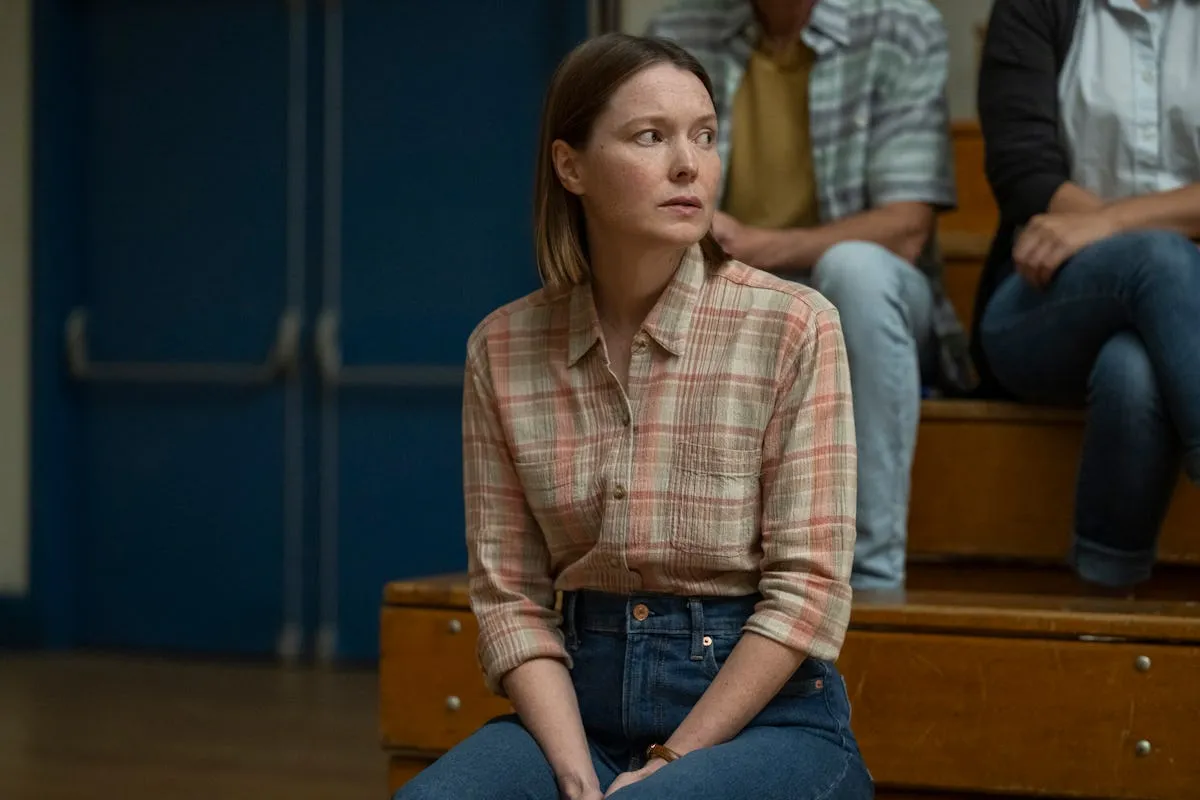
On paper, Amazon’s pitch is clean. Summer H. Howell plays a girl new to school, raised at home, thrust into a social environment she doesn’t understand. Mike Flanagan, ever the King loyalist, layers in a modernized Margaret White played by Samantha Sloyan. The mother doesn’t just preach from the pulpit anymore. She walks into the school administration’s office and advocates. That single behavioral shift — aggressive parental defense instead of religious isolation — reframes the entire second act of a story that has been told twice before on screen.
But here is what the trailer doesn’t advertise. Carrie’s bullies don’t just whisper in hallways. They create an Instagram account called “carrie red.” They post humiliating clips. The locker room incident that once required a witness and a rumor mill now generates a permanent digital footprint. That change is not cosmetic. It reflects a fundamental restructuring of the horror genre’s threat model. The original 1976 film relied on shame trapped within a school building. The 2013 remake updated the visual language but kept the same containment logic. Flanagan’s version unlocks the trauma. A video clip of Carrie’s most humiliating moment lives forever online. Anyone can share it. Anyone can add a comment. The bullying becomes asynchronous, infinite, and anonymous.
This is not a superficial update. This is the recognition that the social dynamics King described in 1974 have evolved beyond the capacity of any single school to contain. The “social thunderdome” metaphor — the article’s own phrase — now has architecture. It has servers. It has recommendation algorithms that surface cruelty to the most receptive audiences before dawn.
What strikes me about this iteration is how tightly Flanagan binds his changes to platform economics. Prime Video gains a IP with built-in name recognition. King’s estate gains a fresh cultural moment fifty-two years after the novel’s publication. The show gains a thematic hook that speaks directly to the generation its core viewing demographic identifies with. The cycle completes itself.
The supply chain here is not hardware or chips. It’s attention. And the way this adaptation handles its material suggests Amazon is already reading the market better than most competitors.
Author bio: Ethan Gallagher is a Silicon Valley Hardware Architect and Infrastructure Strategist who has spent over a decade covering the intersection of media technology and platform economics.