

(SeaPRwire) – By: Oliver Hawthorne
Hollywood’s obsession with crime cinema has always relied on the illusion of human connection. We watch Walter White or Tony Montana tear their worlds apart because beneath the sociopathic bluster, we recognize faint echoes of our own worst instincts.
That dynamic had to operate under severe constraints during the reign of the Motion Picture Production Code, which began dictating cinematic morality in 1934 and held firm until the mid-fifties. The Hays Code demanded that on-screen criminals always face swift retribution, squeezing the life out of nuance. Yet filmmakers like Billy Wilder and Alfred Hitchcock routinely bent those rules until they snapped. In 1946, director Robert Siodmak took an Ernest Hemingway short story and delivered a masterclass in moral ambiguity, centering his film on the desperate, grinding mistakes that push ordinary people outside the law.
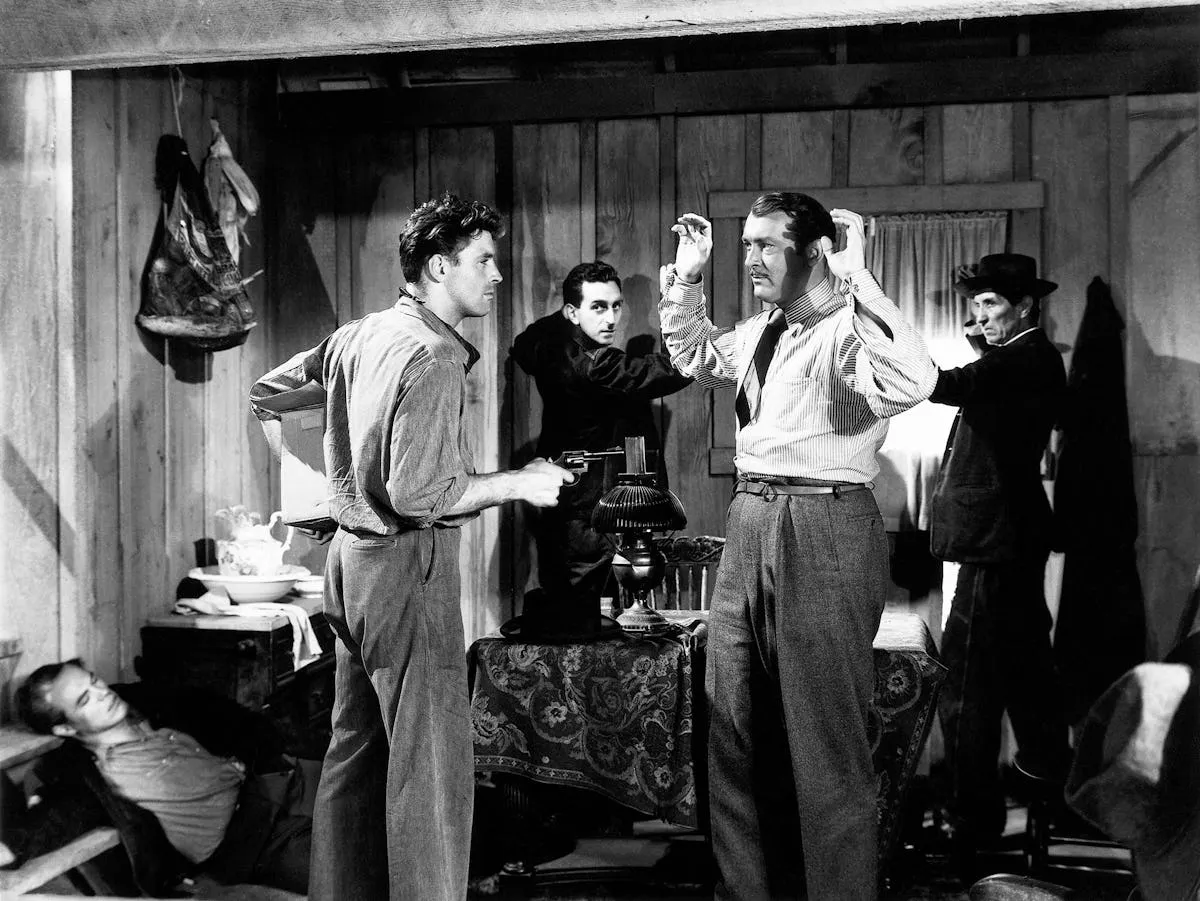
The bleak opening sequence of *The Killers* sets a masterclass benchmark for the entire film noir genre. In a sleepy New Jersey town shadowed by Woody Bredell’s high-contrast cinematography, two hitmen arrive to eliminate a gas pump attendant known as Pete Lund, or “The Swede,” played by a then-unknown Burt Lancaster. After terrorizing the local diner staff, they execute Lund in his bed with a violent clatter of bullets. All of this transpires within ten minutes, leaving the audience as disoriented as Jim Riordan, the insurance investigator tasked with tracking down the beneficiary of Lund’s $2500 policy. The irony is stark: a human life is extinguished in cold blood, only to be reduced to a four-digit payout on a spreadsheet.
Riordan’s methodical investigation stitches together Lund’s past through a series of revealing flashbacks. Hotel worker Mary Ellen Doherty remembers the Swede saving her from despair; police lieutenant Sam Lubinsky recalls Lund’s shattered boxing career; and Lubinsky’s wife Lilly details how Lund fell for the dangerous Kitty Collins, played by Ava Gardner. Lancaster sheds his standard heartthrob persona to play an earnest, lumbering figure who stumbles into ruin. After taking the fall for Kitty’s jewelry theft, Lund joins a factory payroll heist organized by crime boss “Big Jim” Colfax, walking straight into a fatal, blinding love triangle.
The real triumph of the film lies in how it sidesteps the moral absolutism demanded by the Hays Code. Siodmak refuses to paint Lund as a greedy mastermind or a irredeemable monster. Instead, he emerges as a man crushed by circumstances, sliding into criminality through the compounding weight of flawed human choices. The ensuing violence is never romanticized or sensationalized as cheap spectacle; it functions as a tragic requiem for a deeply flawed individual caught in a system that offers no easy exits.
Author bio: Oliver Hawthorne, a principal correspondent permanently stationed at an international technology review, specializing in media history, structural critique, and the intersection of cultural narratives and modern industry shifts.