(SeaPRwire) –
By: Logan Pierce

Apollo 18’s 15th anniversary isn’t a victory lap—it’s a case study in how a clever concept drowned in its own marketing gimmick. Dimension Films pushed it as “found” classified NASA footage, but by 2011, audiences saw through the trick. The $5 million budget turned into $25 million in gross, but the movie’s critical flop killed space-set found footage for over a decade.
Released in 2011, Gonzalo López-Gallego’s English debut claimed to edit 84 hours of hidden NASA tapes. The cast used character names instead of real ones, and a website (lunartruth.com) built out the mythology. But viewers were no longer fooled—Blair Witch’s 1999 magic had worn off, and the viral marketing felt stale and unconvincing.
The movie nailed the space race aesthetic: grainy visuals, bleeps, bloops, and heavy breathing. Its premise—an alternate Apollo mission that was covered up, not canceled—was intriguing. But slow scene-setting (endless equipment installs) and inane dialogue (like the jalapeno juice chat) dragged the first two-thirds down.
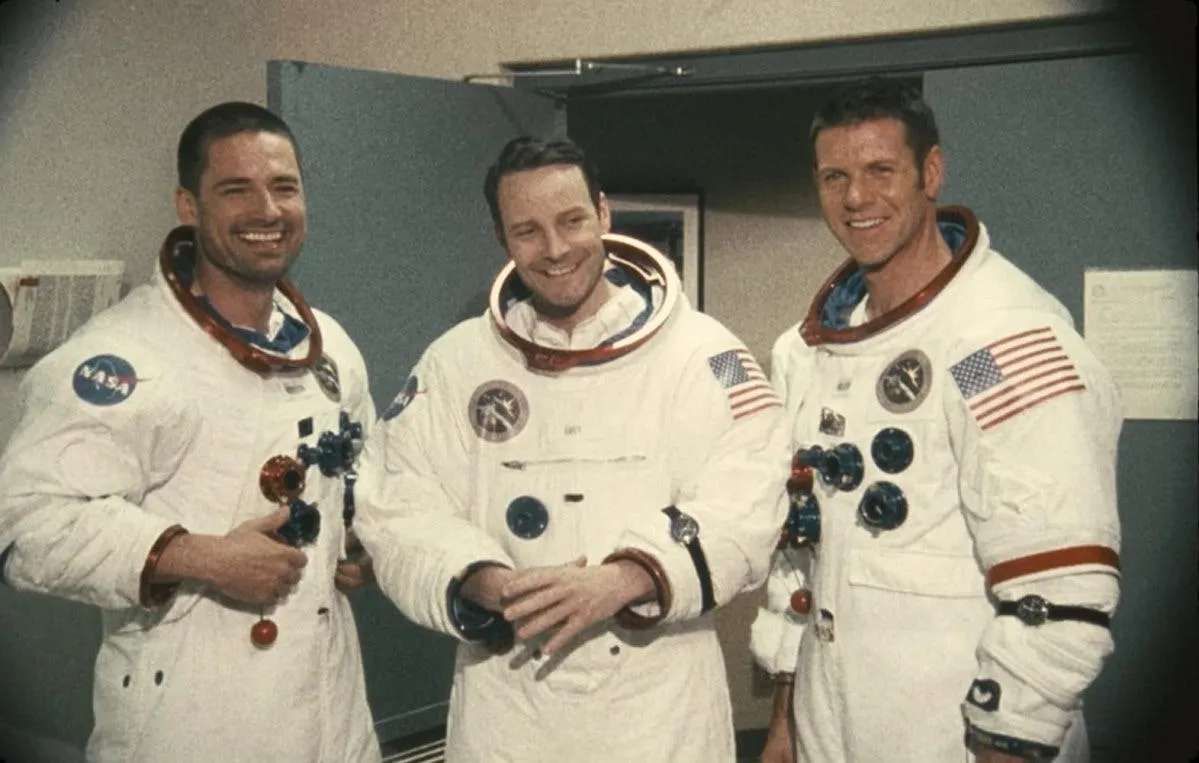
Found footage took 12 years after Blair Witch to reach space. Apollo18’s failure meant studios avoided the subgenre. It’s hard to balance the “authentic” found footage feel with engaging storytelling. Audiences want characters they care about, not just shaky cameras and cheap jump scares.
The movie’s tagline—“there’s a reason we never went back to the moon”—was ironic. Found footage never went back to space either. Even with its profit, critical backlash made studios wary. They chose safer, more predictable horror over risky space experiments.

The next space found footage hit will need to ditch the “classified tape” gimmick and focus on character depth to win back audiences.
Author bio: Logan Pierce, an independent business researcher and corporate governance writer analyzing media industry trends and marketing failures.