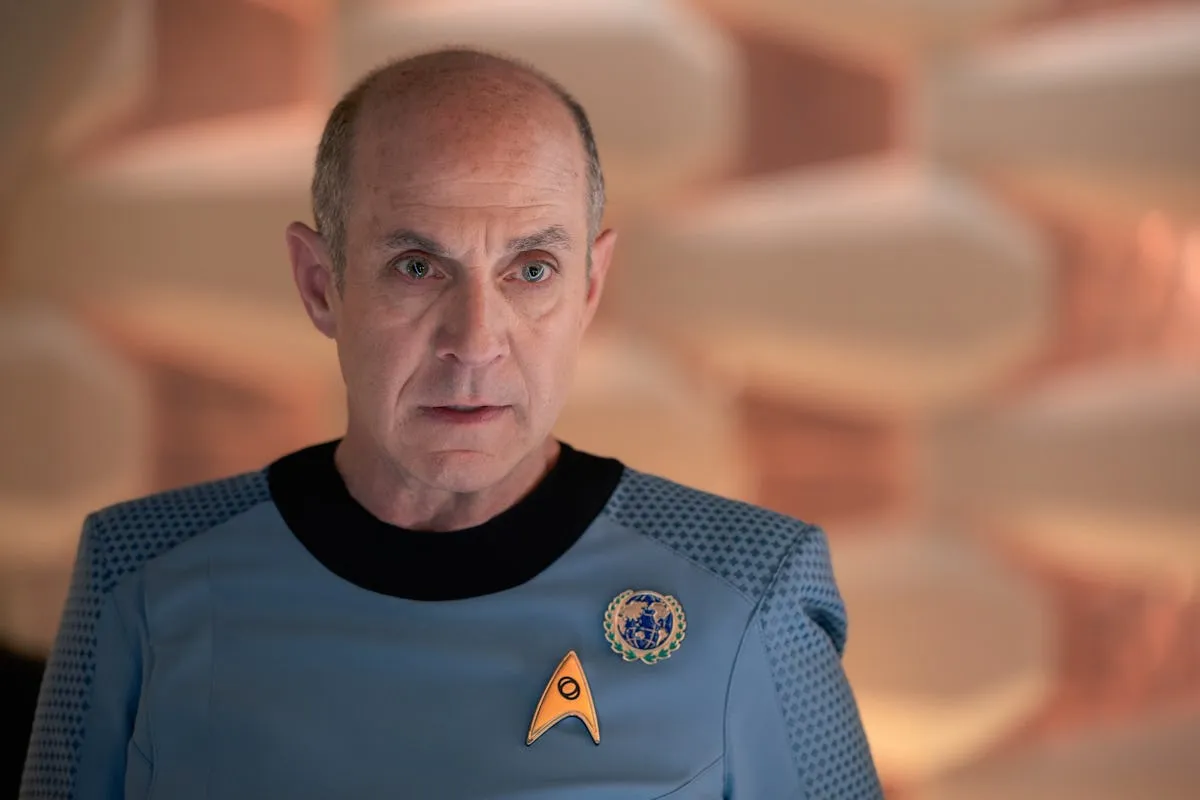


(SeaPRwire) – Paramount+ is spinning this as a “shocking reboot,” but the open-source community knows better. We don’t need a press release to tell us that legacy characters are the new IP moat. The marketing screams “nostalgia,” but the actual telemetry of fan engagement suggests we are hungry for *any* continuity, even if it feels like a patch. The studio is banking on the “Mad Men” time capsule effect, but the real signal here isn’t just a new actor; it’s a desperate attempt to patch the timeline before the code breaks.
Let’s look at the dependency tree. John Hoyt played Dr. Boyce in “The Cage” back in 1964. Now, Brian Markinson steps into the role for *Strange New Worlds* Season 4. This isn’t just a cameo; it’s a dependency injection into the existing timeline. The showrunners are trying to solve the “Dr. Piper” mystery from “Where No Man Has Gone Before” by introducing Boyce as an “interim CMO.” It’s a complex dependency management issue where the new code (M’Benga) must coexist with the legacy binary (Boyce). The fact that Markinson has played five roles in the franchise proves the studio is recycling assets to save on the build cost of new characters.
The enterprise response has been muted, likely because the production value is undeniable. Walking onto the bridge of the Enterprise is a “time capsule” experience, as Markinson noted. However, the community telemetry is mixed. While the “Mad Men” comparison holds water regarding the set design, the narrative utility is questionable. We are seeing a shift from organic storytelling to forced continuity. The studio treats the timeline like a rigid database, but the fans treat it like a living, breathing ecosystem. When you force a legacy character back into a subordinate role, you create friction in the user experience.
Ultimately, this is a power play. The studio wants to own the history of the franchise, even the forgotten parts. By bringing back Boyce, they are asserting sovereignty over the timeline. They are saying that no character is truly dead, only dormant. This creates a sense of claustrophobia for the audience. We are no longer exploring new frontiers; we are just revisiting old commits. The “shocking reboot” is actually a maintenance update, and the users are the ones who have to deal with the bugs. The timeline is getting crowded, and the next patch will likely introduce more legacy characters to manage the growing technical debt of the franchise.
Author bio: Silas Sterling, veteran kernel contributor and editor-in-chief of an open-source security digest.