(SeaPRwire) – By: Marcus Sinclair
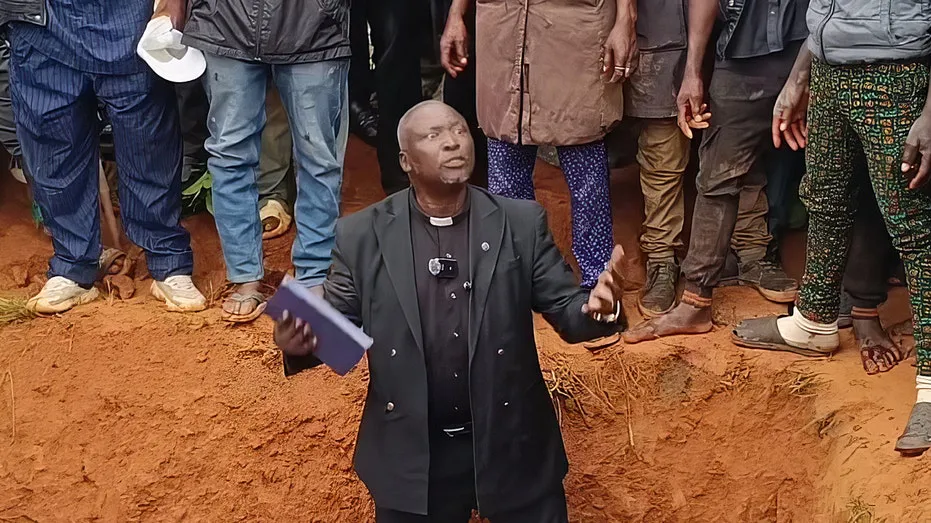
The killing of nine of Rev. Ezekiel Dachomo’s family members—including a two-month-old baby—isn’t just a personal loss. It’s a stark example of the gap between global rhetoric and on-the-ground action in Nigeria’s Middle Belt. Dachomo, a regional leader of the Church of Christ in Nations and an outspoken critic of Fulani militia violence against Christians, now faces a death threat from the same group that attacked his compound. The US has condemned the violence but hasn’t taken direct action against the militias in the area.
On July12, attackers stormed Dachomo’s family compound in Plateau State’s Riyom district. They asked for him, shouting “where is the father of this house?” before opening fire. Nine relatives died, including the infant. Dachomo, who has conducted over 70 mass burials of Christians by the end of 2025, posted a threat letter from Fulani herdsmen this past week. Judd Saul, founder of Equipping the Persecuted, says the militias hate Dachomo for waking Christians to their reality. A six-year study by the Observatory for Religious Freedom in Africa (ORFA) found Fulani militias are responsible for 44% of terror-related deaths in Nigeria from 2019 to September2025—four times more than Boko Haram and ISWAP combined. The US State Department called the violence “shocking” and urged Nigeria to hold perpetrators accountable. Assistant Secretary of State Frank Garcia met Nigerian officials July13-15 to stress concern, but Trump’s air strikes in Nigeria have only targeted Boko Haram and ISWAP in the north, leaving the Middle Belt’s militias untouched.
The geopolitical costs of this inaction are clear. If Fulani militias continue to operate without consequence, more Christian communities will face attacks—over 40 Christians were killed in the last week alone, per Equipping the Persecuted. The US risks undermining its own commitment to religious freedom, as its words don’t match its actions. Nigeria’s government, which rejects framing the conflict as religious, may struggle to maintain control in the Middle Belt. The end-game is a region where militias rule unchallenged, and global powers fail to protect the vulnerable. The US must shift its focus to the Middle Belt if it wants to honor its promises to protect religious freedom.
Author bio: Marcus Sinclair, Senior Fellow at the European Geopolitical Security Institute, focusing on African conflict and religious freedom issues.