(SeaPRwire) –
By: Robert Kensington
Disney buried two full seasons of a Star Wars parody series 13 years ago. The show, called Star Wars: Detours, totals 39 fully produced episodes. It never saw the light of day after the company acquired Lucasfilm. Its irreverent, self-mocking tone clashed directly with Disney’s carefully curated, canon-first Star Wars brand strategy. For over a decade, fans wrote it off as the ultimate “lost media” holy grail. They assumed it sat gathering dust in the Disney vault, never to be seen by anyone outside a handful of former Lucasfilm employees. George Lucas just proved all of them wrong. He didn’t sue Disney. He didn’t negotiate a new licensing deal. He didn’t even publicly pressure the company to release the series. Instead, he found a way to put the show in front of fans, and turn a decades-old shelved project into a massive revenue driver for his new legacy project. That’s not a fan service win. It’s a masterclass in monetizing creator-owned IP adjacent rights that most corporate executives don’t even realize exist.
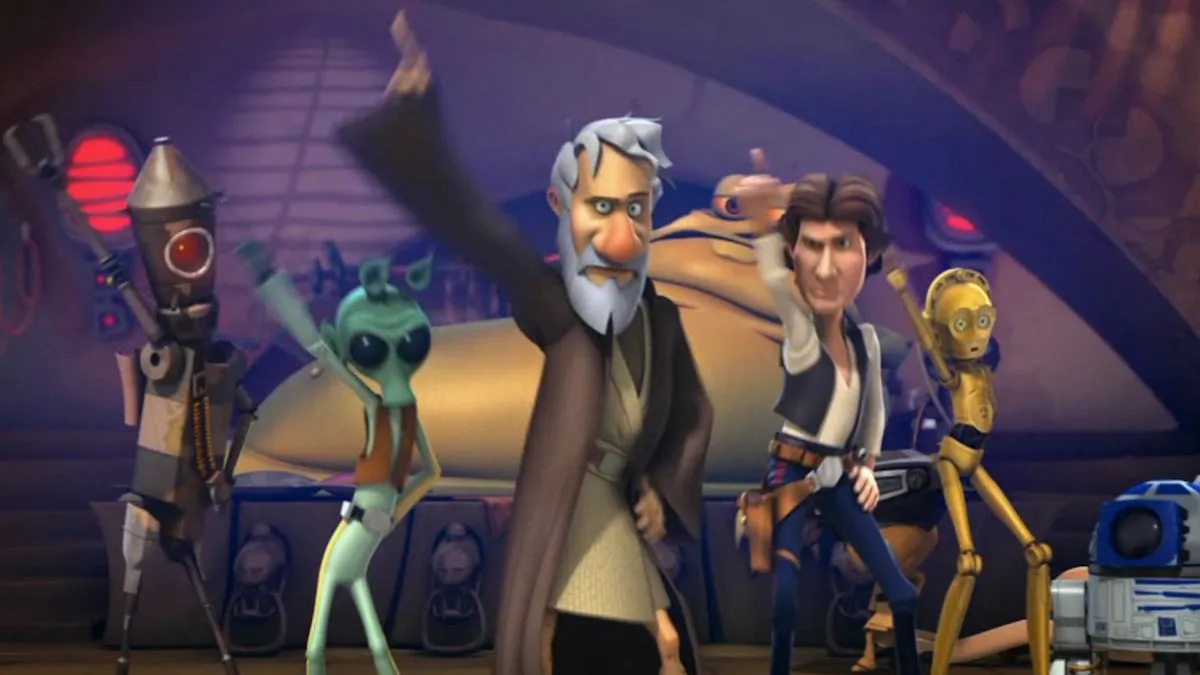
The official announcement dropped at San Diego Comic-Con, during the “Inside the Lucas Museum of Narrative Art” panel. Seth Green, co-creator of Detours alongside his long-time Robot Chicken collaborator Matt Senreich, broke the news to moderator Keke Palmer. Entertainment Weekly first reported the comments. Green described the show as George Lucas’ attempt to make “The Simpsons in the Star Wars universe.” A curated selection of Detours episodes will be available to all visitors of the Lucas Museum of Narrative Art. The museum is set to open its doors on September 22, 2026. It is George Lucas’ primary post-Star Wars creative project, billed as a massive institution celebrating how narrative art shapes the world. Its collections span comics, children’s books, fantasy novels, feature films, and every other form of visual storytelling in between. Star Wars plays a central role in the exhibits. A full-scale Naboo Starfighter already sits on display as one of the museum’s flagship physical pieces.

The official framing paints this as a sweet, nostalgic win for long-suffering Star Wars fans. The real math tells a far more calculated story. The Lucas Museum of Narrative Art is located in California. Fans will have to travel to the state to view the episodes. The museum competes for foot traffic with dozens of other cultural institutions across the region. It needs a steady stream of unique, must-see draws to justify ticket prices. It also needs to turn first-time visitors into repeat members. Shelved, “lost” Star Wars content is the perfect hook. Disney still controls the full catalog of Detours episodes. It has zero interest in releasing the series to the general public. The show’s irreverent tone would undercut the carefully polished, canon-aligned Star Wars brand Disney has built since the acquisition. It would clash with the family-friendly, epic fantasy image Disney has cultivated for the franchise. It would also set a precedent for releasing non-canon parody content that could dilute the value of Disney’s Lucasfilm investment. Lucas doesn’t need the full series. He doesn’t even need wide distribution rights. He just needs permission to screen a curated selection of episodes in his own museum. That permission likely falls under the personal legacy rights retained by Lucas when he sold the company. Disney can’t easily block the screenings. Doing so would trigger a messy public fight with the creator of Star Wars. That kind of fight would do far more brand damage than a handful of parody episodes shown only to museum visitors. For Lucas, the math is simple. Exclusive access to a “lost” Star Wars show will turn casual fans into day-trippers. It will turn diehard fans into annual pass holders. It will drive sales of Star Wars-themed merchandise at the museum gift shop. It will turn the Lucas Museum into a mandatory pilgrimage site for Star Wars fans around the world. Best of all, Lucas controls all revenue from ticket sales and on-site merchandise tied to the exhibit.
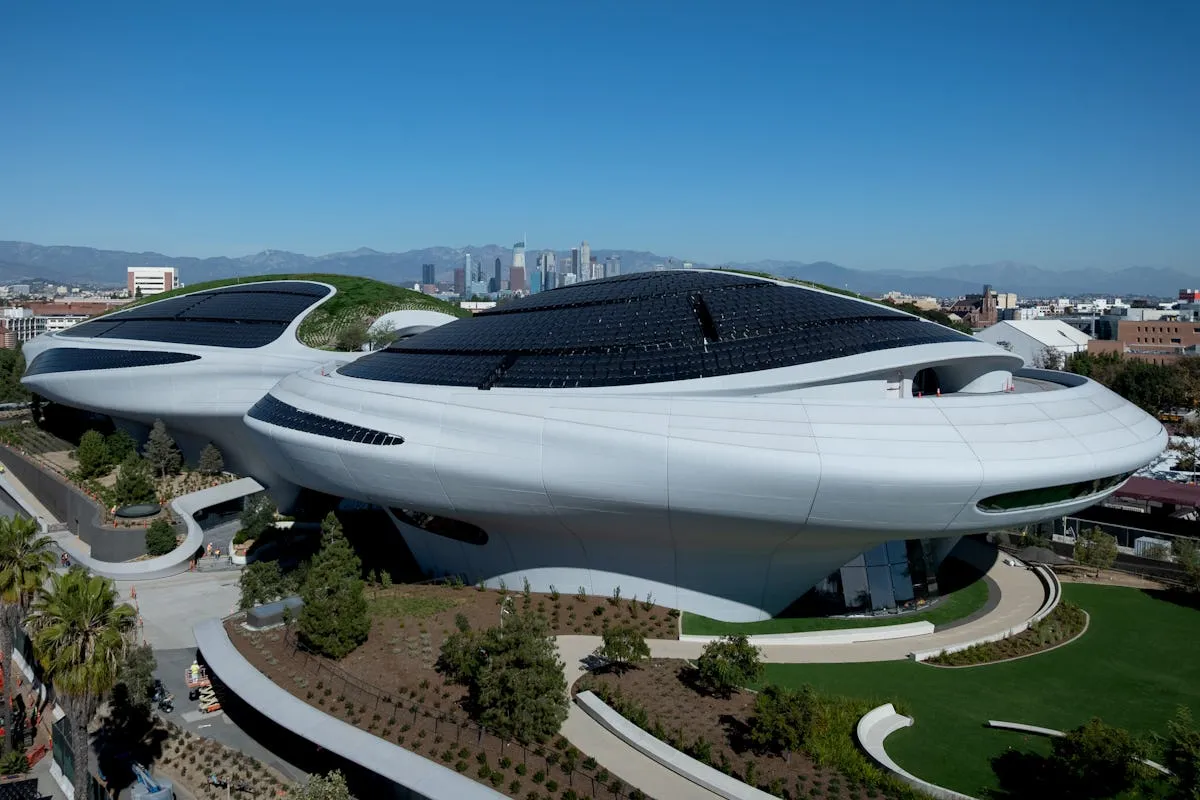
Lucas just carved out a high-margin, defensible slice of the Star Wars experiential fandom market that Disney can’t easily replicate. Every creator with a shelved project under corporate ownership will be copying this playbook within 18 months.
Author bio: Robert Kensington, a 25-year veteran of media IP investment and experiential retail expansion across global markets.