(SeaPRwire) –
Sixty-eight dead. That is the immediate, chilling arithmetic of Wednesday’s catastrophe in Toledo. This was not a mechanical failure. It was a systemic collapse of oversight. For years, European rail networks have treated safety as a checkbox rather than a continuous operational discipline. The result is a fragile infrastructure masquerading as robust modernity. When a state operator slams into a private operator’s halted train, it reveals a profound disconnect in traffic management. We assumed the separation of state and private rail entities would foster competition and safety. It fostered fragmentation. Two distinct management cultures collided on the tracks, and the passengers paid the ultimate price.
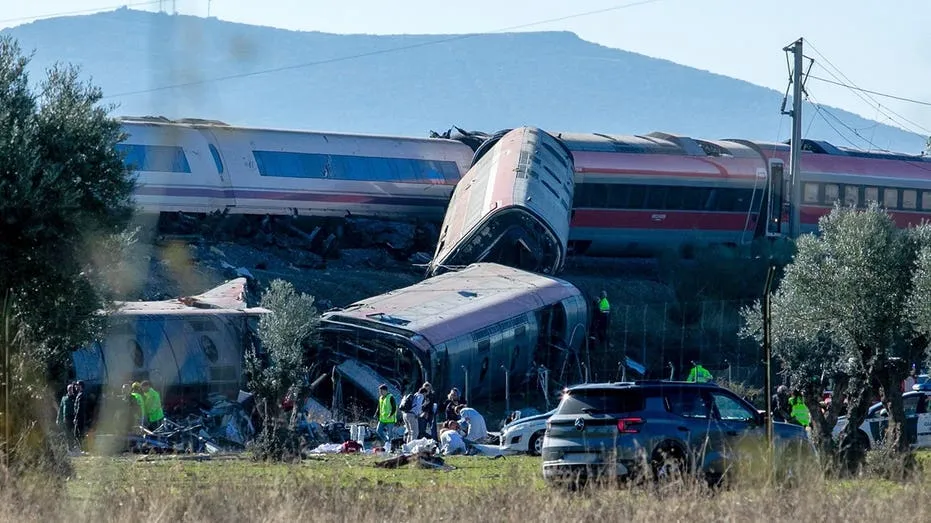
The official data paints a grim picture of the physical wreckage. ADIF confirmed the crash occurred in the province of Toledo on the Madrid-Seville route. The RENFE train carried 397 passengers. The IRYO train, owned by an Italian firm, held 147 passengers. The collision knocked two of the IRYO cars off the tracks. Rescue teams are still sifting through the debris. Witnesses describe scenes of horrific carnage. One worker near the site said he helped pull victims from the wreckage. He saw severed limbs. The Health Minister called it a tragedy, citing the high-speed impact. Emergency services are overwhelmed, transporting fifty-eight injured to local hospitals. The scale of the injury list is staggering against the death toll.
This incident is the second high-speed rail crash in Spain this year. The January accident involved the same two companies. RENFE and IRYO are repeat players in this nightmare. The repeated involvement of these specific operators suggests a pattern, not a one-off glitch. The state-run entity and the private entrant seem to lack a unified command structure for emergency stops and signaling. When I speak with logistics peers in Madrid, they whisper about disjointed communication protocols. The public face remains stoic, but the internal friction is palpable. The fact that another crash occurred within months of the first is a red flag that regulators ignored.
Prime Minister Sánchez canceled his schedule to focus on the crash. He posted on X, expressing dismay. The King and Queen issued a short statement of grief. The political theater is standard, but the underlying governance is failing. We face a national election next month. The government is caught between political expediency and administrative reality. The rail operator ADIF claims the cause is unknown. That is an unacceptable position for a mature industry. We need immediate, independent audits of the signaling systems. We need a clear accountability chain. Until we dismantle the fragmented oversight model, the next accident is inevitable.