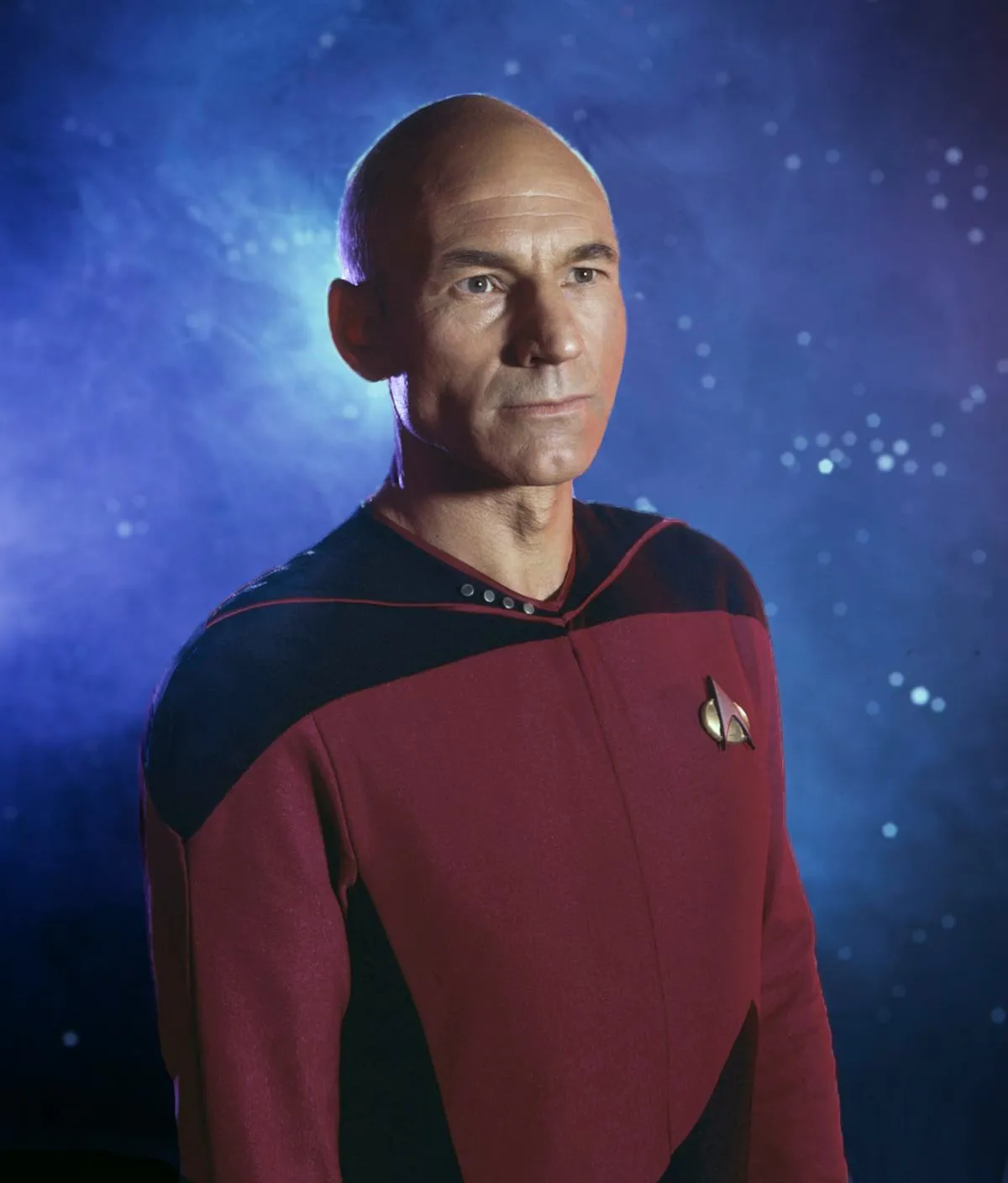
(SeaPRwire) – Patrick Stewart passed away at eighty-six. His death marks a profound loss for television. We are not just mourning an actor. We are mourning the idea of Jean-Luc Picard. In today’s streaming landscape, franchises prioritize rapid, disposable content. This shift creates a massive industry anxiety. How do we build deep, lasting audience empathy? The modern media cycle demands constant, shallow stimulation. Stewart’s passing highlights a stark contrast. Artistic patience often loses to commercial speed.
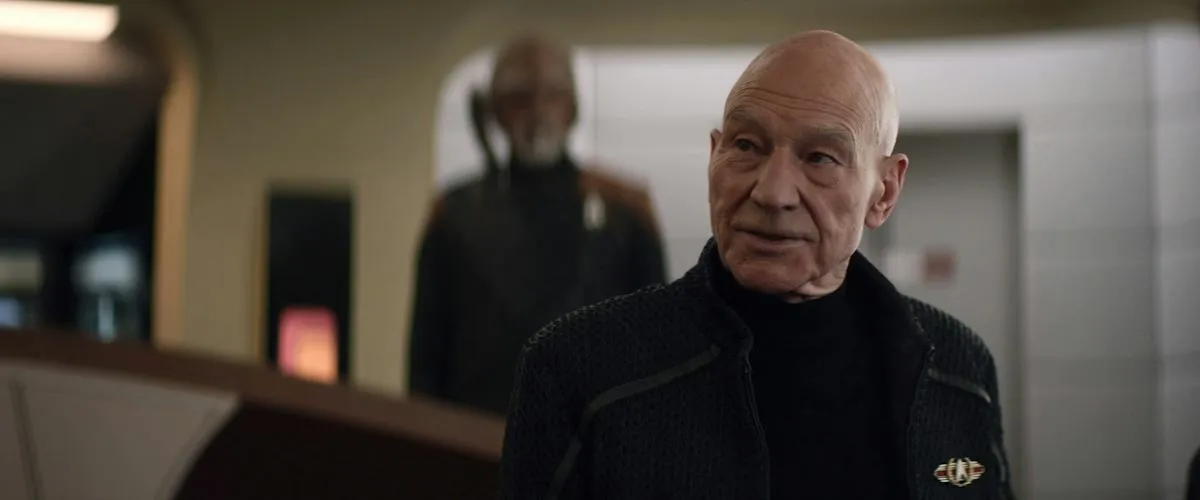
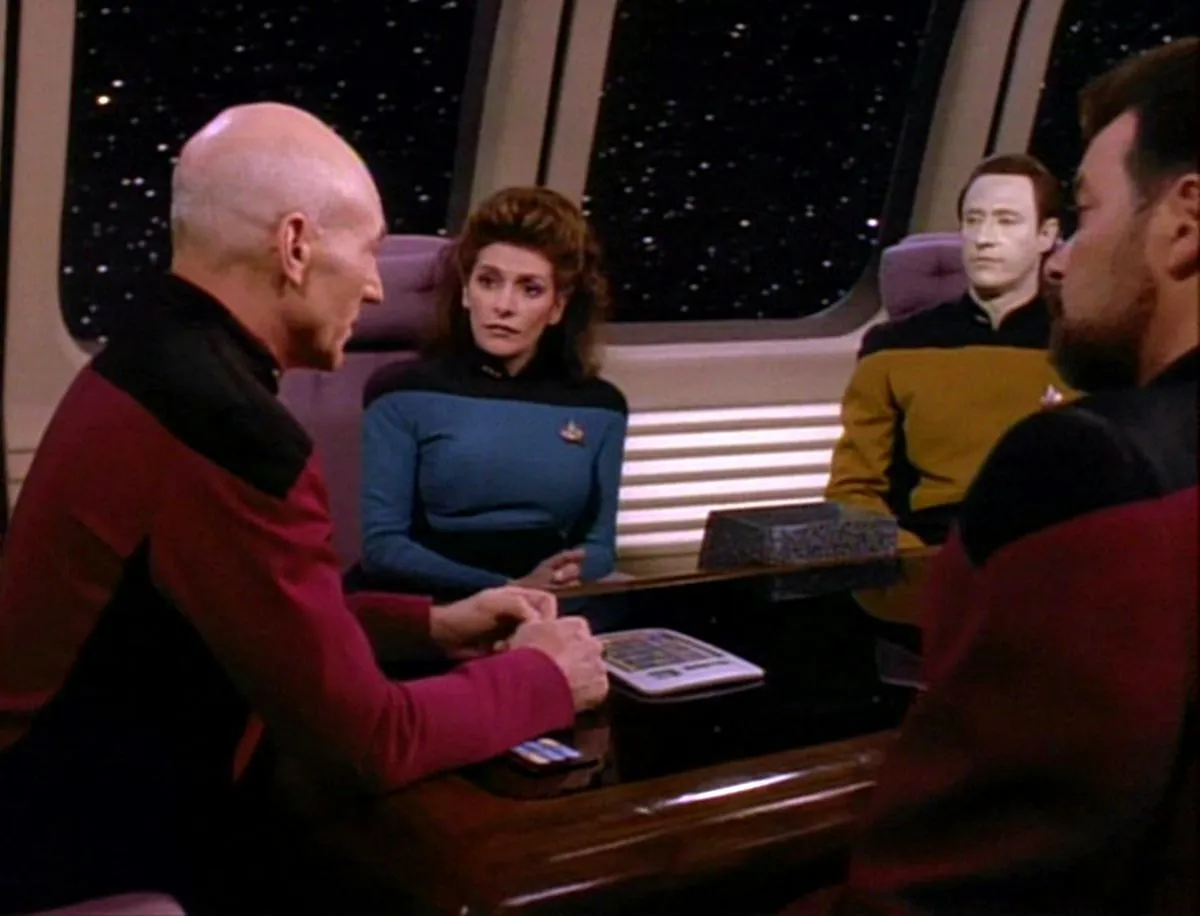
Star Trek did the impossible in 1987. It replaced its legendary cast with new characters. Picard and Data matched the fame of Kirk and Spock. Picard stands out because he actually changed. He is not the same man. His character evolved across seven seasons. The Borg assimilation in the nineties permanently scarred him. Characters like Sisko and Shaw struggled to forgive him. The Season 4 episode ‘Family’ showed his deep self-guilt. His frustration with Wesley Crusher turned to paternal pride. Romantic tension with Beverly followed Jack’s death. This tension resolved in the 2023 spinoff. The iconic poker scene in 1994 was legendary. It paid off a seven-year journey. Kirk and Spock evolved mostly in films. Picard set a new standard for television. Later leaders like Sisko and Burnham followed his lead.
Patrick Stewart’s performance proved that emotional memory carries a franchise. This insight reveals the commercial loop of modern media. Streaming platforms chase subscriber growth through IP volume. They rarely invest in slow, human-centric character arcs. This strategy creates a massive vulnerability. Franchises without deep emotional roots suffer rapid churn. The ultimate industry end-game is a reckoning. Audiences will reject hollow, algorithm-driven content. Sustainable IP requires patient storytelling. Stewart’s legacy is a blueprint for this future. Technology is useless without genuine human truth.