(SeaPRwire) –
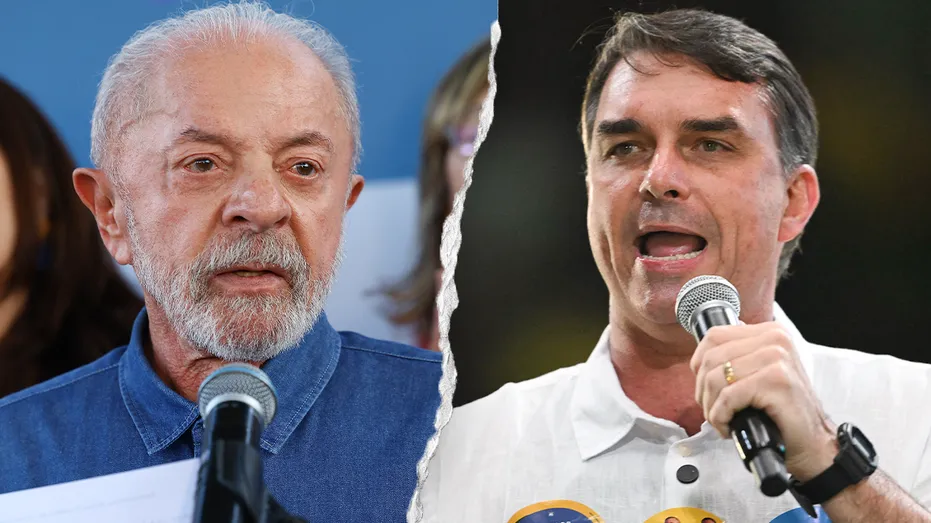
Forget the talk of a conservative wave sweeping Latin America. It just broke against Brazil’s Northeast. Lula da Silva, a man who has now appeared on seven presidential ballots, just secured an unprecedented fourth term. He beat Senator Flavio Bolsonaro in a runoff that Bolsonaro was supposed to close out. Polls had the challenger ahead, narrowly but consistently. Congress had already swung conservative. And yet the Workers Party machine did what it always does when cornered. It turned out its base, squeezed the bellwether, and survived. This was not a repudiation of the right. It was a demonstration that incumbency plus regional loyalty still beats momentum in Brazilian politics.
Now the uncomfortable part. A Supreme Court justice ordered a nationwide two-hour voting extension on election day. Lula had petitioned for it, claiming buses were not circulating to bring voters to the polls. “Something abominable is happening,” he said, insisting he had never complained about any election before. The Bolsonaro camp had itself requested extensions in rain-hit areas, but a blanket national extension is a different animal entirely. Expect a legal challenge. Expect the claim that the extra hours favored Lula’s late-day turnout operation. Whether or not that claim holds, the optics are corrosive. Court-ordered extensions on runoff day tend to poison the loser’s acceptance, and Brazil’s right has a long memory for perceived judicial interference.
The raw geography tells the real story. Bolsonaro won the first round on October 4, 47 to 45. In the runoff he held Rio de Janeiro, São Paulo, Paraná, and Rio Grande do Sul, but with thinner margins than before. His southern firewall underperformed. Lula’s famed Nordeste fortress did not. The Workers Party dominance in the populous Northeast delivered the margins that mattered. Minas Gerais, the classic bellwether, went from a five-point Bolsonaro win in round one to an effective tie. Endorsements from Romeu Zema, Ronaldo Caiado, and Augusto Cury could not close the gap. Even the overseas vote split cleanly, Lula taking Germany decisively, Bolsonaro crushing Japan. Polarization, exported.
Bolsonaro’s case to voters was not weak. He hammered the cost of living, painted the Lula administration as bloated, tax-heavy, and debt-addicted. He tied inflation to kitchen table economics, and it landed with working and middle-class voters in round one. His hardline law and order message matched a public that routinely ranks violence as its top concern. Those arguments are not going away. They fell short because a generation of loyalty to Workers Party social programs runs deeper in the North and Northeast than any single-cycle grievance. That is the structural problem the Brazilian right keeps failing to solve. It wins the argument in the South and loses the arithmetic in the Nordeste.
Here is what the commentariat will underplay. Lula won the presidency and little else. He faces a center-right and right-wing congressional majority described as one of the most conservative in the country’s history. Bolsonaro-aligned candidates looked poised to take most of the five gubernatorial runoffs plus Brasília. The movement lost the crown and kept the machinery. It also snapped a string of Trump-backed right-wing victories across the region, which will sting in Washington given Trump’s open affinity for the Bolsonaro family. All eyes now drift to Tarcisio de Freitas, the São Paulo governor who stepped aside this cycle to clear Flavio’s path. The 2030 succession fight inside the Brazilian right has already begun.
Lula governs from a narrow, court-shadowed mandate against a hostile legislature, and the man he just beat will spend four years arguing the clock was rigged.