(SeaPRwire) – By: Julian Holbrooke
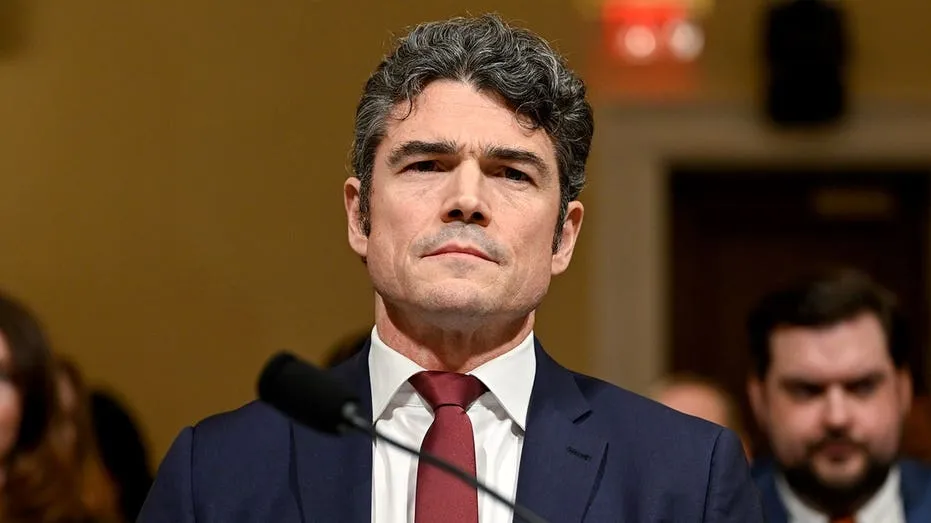
Joe Kent did not resign because he lost faith in the mission. He resigned because he saw the math. The numbers on the ground in Jordan and Iraq are no longer theoretical. They are receipts. Two service members dead. One missing. One wounded by debris from a drone that should never have been in the air. This is not a war of attrition. This is a suicide pact wrapped in diplomatic language.
Kent’s call to pull out now is not radical. It is basic damage control. He argues that the United States is trapped in an escalation loop. The logic is simple. You cannot fight a war where every base is a target. Every naval vessel is a liability. Every outpost invites retaliation. The moment you stay, you become the objective. The moment you leave, you remove the justification for the attack. It is not retreat. It is strategic de-escalation.
Look at the timeline. The White House remained silent on Monday. Silence is a strategy. It buys time. But it also buys nothing. The political capital Trump holds is finite. Kent warns that this capital will vanish after the next mass casualty event. Once the bodies come home in flag-draped boxes, the domestic support evaporates. There will be no victory lap. Only grief. And anger. And a demand for accountability that no president can satisfy.
The original communique from CENTCOM is dry. It lists dates. July 17. July 18. It lists locations. Jordan. Northern Iraq. It lists outcomes. Death. Injury. Missing persons. These are not abstract statistics. These are young men and women who paid the price for a policy decision made in Washington. The decision was to keep troops in the region. To maintain presence. To project power. The result is death. The cost is rising. The benefit is zero.
Kent’s resignation letter cited Iran as no imminent threat. That claim is debated. But the threat to the troops is immediate. The Iranian drones are real. The ordnance is real. The explosions are real. The argument that bases are relics of the past is not new. It is obvious. Modern warfare does not require static footprints. It requires mobility. It requires distance. Staying put makes you a sitting duck. Leaving makes you a ghost. Ghosts are harder to kill.
The geopolitical pendulum is swinging. The Middle East is not a monolith. It is a powder keg. Lighting matches in one corner ignites the whole room. The United States holds the match. Kent wants to drop it. The current administration hesitates. They fear the vacuum. They fear the signal. But the signal is already sent. The signal is blood. The signal is loss. Every day spent in Jordan or Iraq reinforces the narrative that the United States is an occupier. Not a partner. An occupier.
Sanctions relief could buy peace. Freedom of navigation in the Strait of Hormuz is the prize. But you cannot negotiate from a position of vulnerability. You cannot negotiate while under fire. You must first secure the table. Removing troops secures the table. It removes the leverage of the adversary. It strips Iran of its primary justification for disruption. Without the troops, the attacks lose their purpose. The logic breaks. The cycle ends.
This is not about liking Iran. This is about surviving the conflict. The current path leads to more bodies. More casualties. More domestic unrest. More political damage. The alternative is clean. Simple. Effective. Pull out. Declare victory. Go home. Let the region stabilize without American boots on the ground. It is not cowardice. It is wisdom. The question is whether anyone in the West Wing is listening. Or if they are too busy counting political points to see the graveyard forming in the desert.
Author bio: Julian Holbrooke, an overseas international relations analyst who frequently contributes to major European daily newspapers, focusing on geopolitical shifts and security policy.