(SeaPRwire) – By: Julian Holbrooke
The narrative of modern warfare is shifting beneath our feet. It is no longer about who holds the high ground or who commands the sky. It is about what remains on the ground after the dust settles. We are witnessing a grim evolution in the operational reality for US forces in the Middle East. The enemy has learned that direct confrontation is costly. Indirect attrition is cheap. And now, even the cleanup crew is a target.
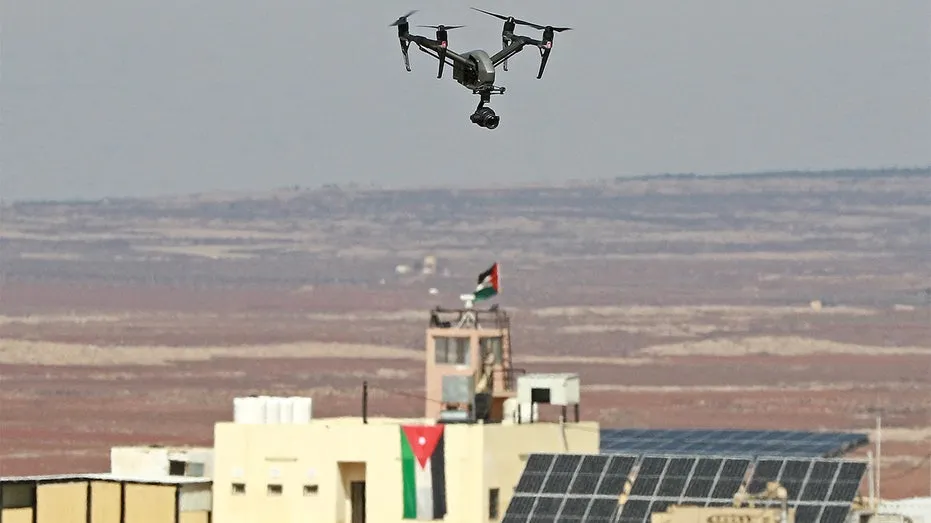
This week’s announcements from US Central Command reveal a chilling new pattern. Two separate incidents. Two different locations. One common thread. Iranian-made drones. The first happened in northern Iraq. A service member died. Another was wounded. The cause was not enemy fire. It was a controlled detonation of unexploded ordnance from a downed one-way attack drone. The second incident occurred in Jordan. Remains were recovered. They were unidentified. They belonged to soldiers lost in a previous strike on a base.
These are not isolated accidents. They are symptoms of a broader strategic shift. The adversary is weaponizing debris. They are turning their own failed munitions into traps. This is psychological warfare executed through physics. It forces US forces to operate in a state of perpetual caution. Every piece of metal on the ground becomes a potential bomb. This slows movement. It drains resources. It kills morale.
Let us look at the facts without the usual diplomatic padding. In Iraq, the death occurred on July 18. The unit was handling wreckage. They believed they were securing the area. Instead, they triggered an explosion. The military calls it a “controlled detonation.” That term implies safety. It implies procedure. But the result was fatal. This suggests a flaw in the handling protocols for these specific drone remnants. Or perhaps the drones themselves are designed to fail unpredictably. Either way, the outcome is the same. A soldier is gone. Not to a bullet. To shrapnel.
Meanwhile, in Jordan, the situation is equally stark. A separate Iranian attack killed two service members earlier in the week. Four others were evacuated and discharged. Now, unidentified remains have been found. The search continues. The identification process is ongoing. The military is withholding names. This is standard practice. But it highlights the chaos. The fog of war is thick. And in this fog, even the recovery of the dead is dangerous.
The connection between these two events is critical. Both involve Iranian drones. Both resulted in US casualties. But the mechanism of death differs. In Jordan, it was direct impact. In Iraq, it was residual hazard. This duality shows the full spectrum of the threat. The drones are not just weapons. They are litter. And that litter is deadly.
We must ask ourselves what this means for the future of engagement. The US military is accustomed to air superiority. They dominate the skies. They destroy targets from above. But they are vulnerable on the ground. Especially when dealing with the aftermath of aerial strikes. The enemy knows this. They are exploiting the gap between kinetic action and environmental cleanup.
This is a supply chain issue as much as a tactical one. Who handles the debris? What training do they receive? How many drones can the US infrastructure realistically process? The answer seems to be “not enough.” The current protocols are failing. The cost of this failure is measured in lives.
The geopolitical pendulum is shifting. The US presence in the region is becoming more precarious. Not because of a large-scale invasion. But because of small, deadly incidents. Each drone drop is a statement. Each casualty is a message. The message is simple. You cannot secure this region with firepower alone. You must secure it with resilience. And right now, that resilience is being tested by unexploded ordnance.
We need a new approach. One that prioritizes rapid clearance of drone wreckage. One that treats every downed drone as a live mine. One that acknowledges that the war does not end when the missile hits. It ends when the ground is safe. Until then, the trap remains. And the soldiers are still walking into it.
Author bio: Julian Holbrooke, an overseas international relations analyst who frequently contributes to major European daily newspapers, specializing in Middle Eastern security dynamics and asymmetric warfare tactics.