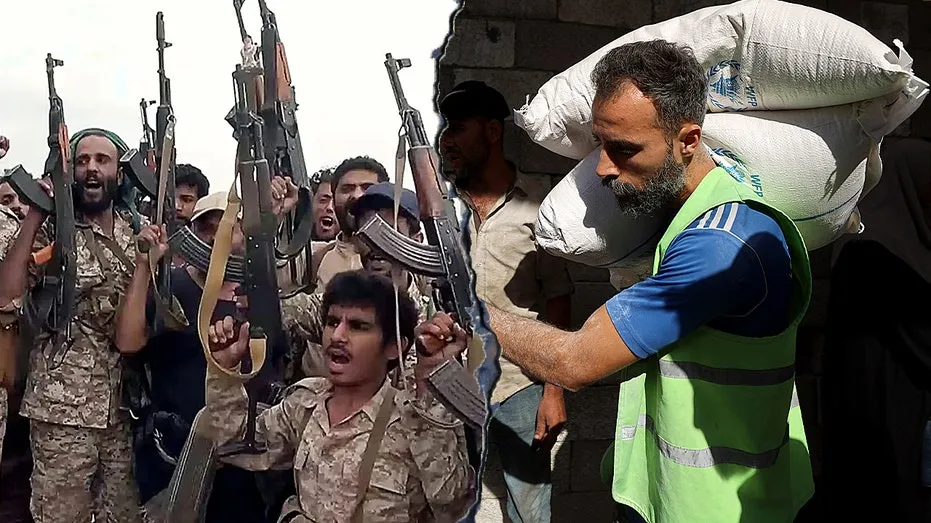
(SeaPRwire) – The new head of the World Food Programme walked into his office and inherited a hostage crisis. Thirty-seven of his own employees are locked away in Yemen, held by Iran-backed Houthi militants for nearly two years. Luke J. Lindberg, just three days into his tenure, made the call to the U.S. Ambassador to the United Nations. It is a blunt and honest admission. His people are not political pawns. They are local hires, Yemeni nationals, doing the hardest job on earth. They are simply trying to feed the hungry, and now their families wait for them to come home.
The official statement is clear: the detentions must end, and the staff must be protected. But the subtext is far more troubling. Lindberg is taking charge at a moment when the very concept of humanitarian space is collapsing. He says the WFP operates in over 120 countries, yet he also admits there are areas where his team cannot go. Why? Because entering them would put their lives at risk. This is the reality of modern conflict. The rules of war, if they ever existed, are now meaningless to the gunmen on the ground. The Houthis have turned food aid into a bargaining chip, and the WFP is left to negotiate with a terrorist group from a position of weakness.
The crises stretch far beyond Yemen. Sudan, South Sudan, and Somalia are approaching famine conditions. Lindberg says Sudan will be his first field visit, a signal of urgency. In Gaza, fighting, damaged infrastructure, and restricted access have complicated food deliveries. In Haiti, gang violence disrupts aid access. In the Democratic Republic of the Congo, armed groups displace millions. The war in Ukraine disrupts agricultural production and global supply chains. The numbers are staggering: 266 million people facing severe hunger, 18 million in Yemen alone. Conflict drives two-thirds of acute food insecurity worldwide. And to make it worse, over 700 humanitarians have been killed in the line of duty in recent years.
This is a leadership test with no easy answers. Lindberg is an American, a South Dakota native, personally appointed by President Trump, and he inherits a global system that is bleeding resources and respect. He says his mission is simple: show up no matter what, feed hungry people, and stay out of politics. But the politics will not stay out of him. Every conflict zone he enters is a political minefield, and every detained worker is a political bargaining chip. He can call the families of the fallen, but he cannot bring them back. The true test will be whether he can secure the release of his 37 colleagues and convince the world that humanitarian workers are not targets. The pendulum of geopolitics has swung far toward the abyss, and the WFP is standing on the edge.