(SeaPRwire) – By: Julian Holbrooke
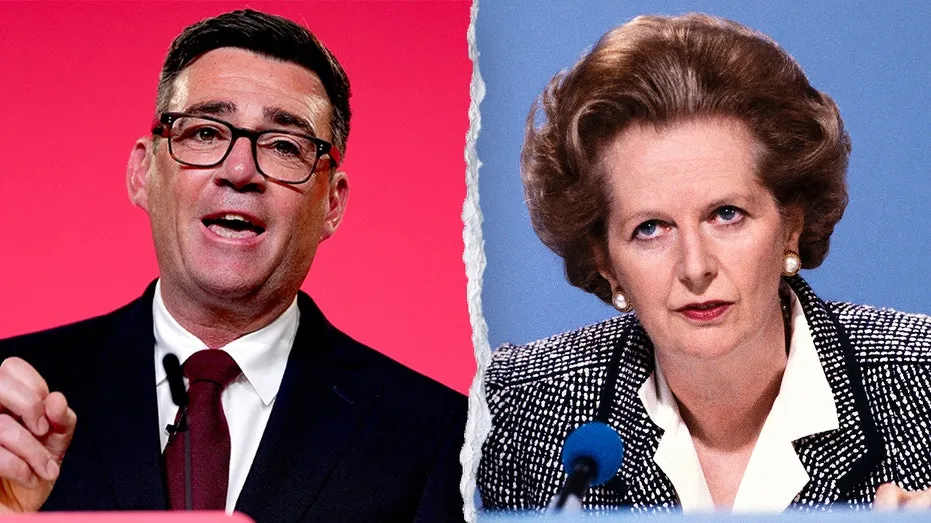
Andy Burnham’s first speech as Labour leader is rhetorical flair with no substance. He claims his ascent marks the UK’s biggest political shift in 40 years. But he takes office without winning a national election. His words target working-class voters who’ve abandoned Labour. Yet he offers no clear path to deliver on his promises. Alan Mendoza of the Henry Jackson Society sums it up: “a lot of light and heat, but not much actual substance.”
Official statements paint Burnham as a leader correcting 40 years of neoliberal mistakes. On July 17, he condemned Thatcher’s 1980s policies that transferred essential services to private firms. He promised greater public control of housing, water, energy and transport. He also said Labour would stop imitating the Greens or Reform UK. Behind the rhetoric, his real goal is to rebuild Labour’s traditional base. Working-class and industrial communities have drifted to far-right parties like Reform. Burnham’s anti-Thatcher stance is a direct appeal to these voters, who feel left behind by decades of privatization.
Free-market critics have pushed back with hard data from the Thatcher era. The Adam Smith Institute notes top income tax fell from 83% to 40% under Thatcher. Basic tax dropped from 33% to 25%, and corporate tax from 52% to 35%. Inflation plummeted from 21.9% in 1980 to 2.4% in 1986. Strike days fell from 29.5 million to 1.9 million between 1979 and 1990. Homeownership rose from 55% to 67%, and individual shareholders grew from 3 million to 11 million. National debt fell from 47% of GDP to 28%. Emma Schubart of the Henry Jackson Society calls Burnham “economically illiterate” for dismissing these gains. His message is contradictory: he talks of national renewal but proposes rolling back 40 years of reforms. He claims to be pro-business yet calls for state control of key sectors. This balancing act aims to reassure financial markets while pleasing Labour’s left faction. He also faces a geopolitical tightrope: leaning left could clash with the Trump administration, but aligning with the U.S. risks alienating his voter base.
The UK’s geopolitical pendulum will swing left, but Burnham’s empty promises will leave it stuck in a costly, unproductive limbo.
Author bio: Julian Holbrooke, an international relations analyst contributing to leading European dailies, focuses on UK-U.S. geopolitical dynamics.