

(SeaPRwire) – By: Christian Pierce
Here is the contradiction at the heart of the Resident Evil franchise in 2026. The property built its entire identity on one thing. The T-Virus. Yet Zach Cregger’s reboot, an original take on the series, appears to walk away from that foundation. The anxiety among longtime fans is real. Strip out the T-Virus and you risk stripping out the franchise’s DNA. But look closer at the source material and the picture flips. The T-Virus was never the whole story. It was one product in a long pipeline of biological horrors. Cregger may understand the lore better than the fans defending it.
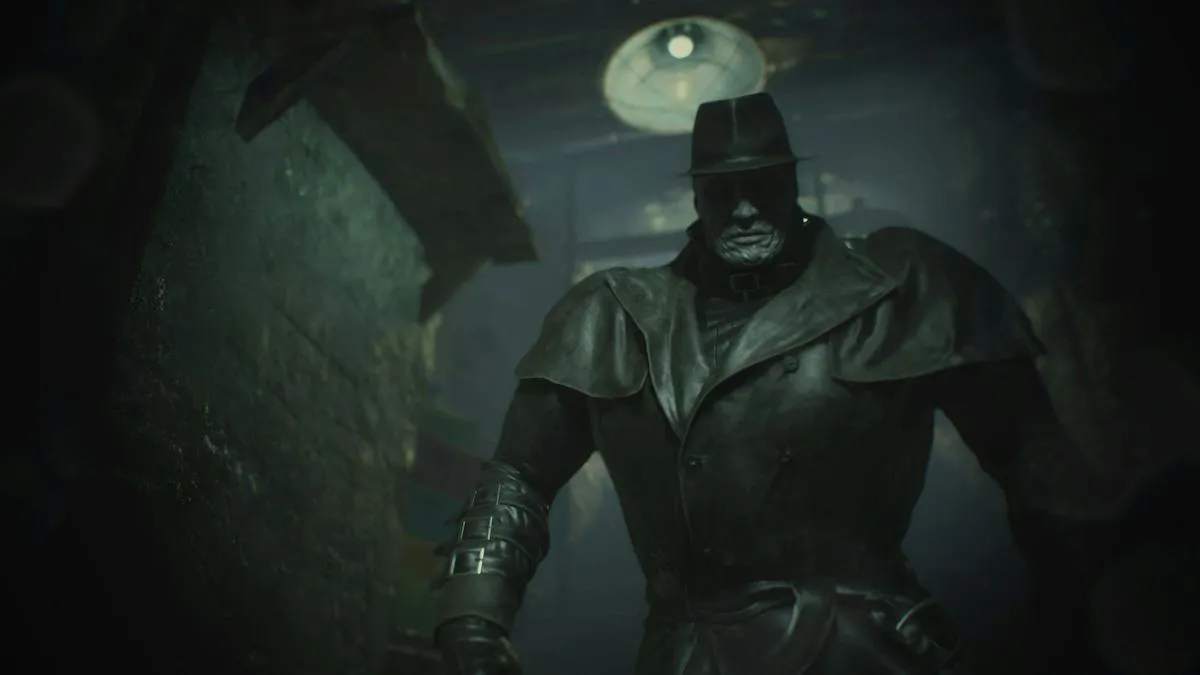
Start with what the games actually established. The T-Virus caused the Spencer Mansion outbreak in the original 1996 game. It was a bioweapon project, the result of simultaneous research from all three Umbrella founders working in different facilities. James Marcus produced the most promising results. Oswell Spencer then convinced Marcus’ star pupils, Albert Wesker and William Birkin, to steal that research. The strain was designed not to kill hosts immediately but to make them stronger, capable of surviving organ failure and brain damage. Then came the wall. At least 10% of any population would be naturally immune. So the research pivoted toward creating monstrosities from animal DNA, like the human-lizard Hunters, to kill survivors. By the 1980s the focus shifted again, toward bio-organic super-soldiers. That path produced the Tyrants and later the intelligent Nemesis. Offshoots multiplied from there. The T-Veronica virus, built to keep mutative power without losing intelligence. William Birkin’s unstable G-Virus, designed for extreme uncontrollable mutation and cellular repair.
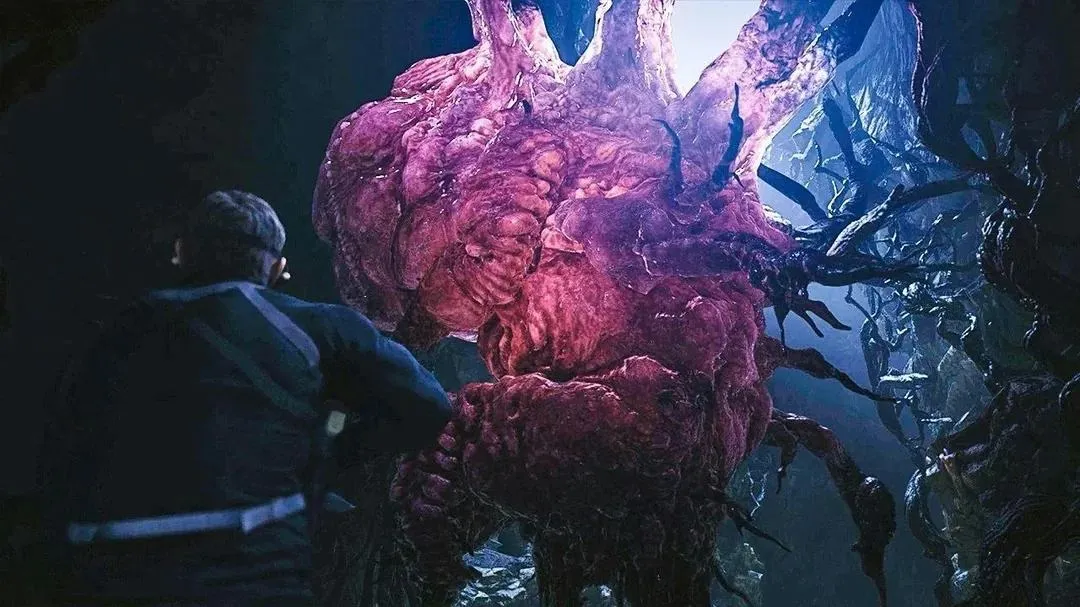
But the deeper timeline tells the real story. Resident Evil 7 and Village introduced the Megamycete, an ancient mutated fungus in a Romanian mountain range. It grew by assimilating the bodies and consciousnesses of people buried above it. Miranda discovered it in 1919 after losing her daughter to the Spanish Flu. Mutated and mad with grief, she became Mother Miranda. Her miracles used the Cadou, parasites birthed from the fungus. Villagers became lycans, not zombies. Crucially, Miranda mentored a young Oswell Spencer. That makes her the unintentional architect of the entire series. Then there is the Progenitor Virus, an ancient RNA virus found by Spencer, Ashford, and Marcus in a West African garden in 1966, hosted by a rare regional flower. It could resurrect the dead through cellular repair in compatible hosts. The three founders split over its use. Spencer wanted eugenics. Marcus chased immortality. Ashford wanted to heal the disabled. Their rivalry turned fatal, and their early Progenitor work birthed every manmade strain that followed. Resident Evil 4 added Las Plagas, a naturally occurring parasite weaponized by the Spanish cult Los Iluminados. Plagas hijack the nervous system rather than destroy it, preserving memories while bending hosts to Osmund Saddler’s will.
Now the commercial logic comes into focus. Cregger’s film reportedly blends elements from several of these mutation sources rather than adapting the T-Virus directly. This is not lore vandalism. It is portfolio management. Capcom spent two decades building a library of outbreak mechanisms, each with distinct visual language and thematic weight. Fungal hive minds. Regenerative viruses. Mind-controlling parasites. A film that fuses them signals something specific to the market. The reboot is not tied to one game’s canon. It is positioned to pull from the entire catalogue. That frees sequels from adaptation constraints. It also lets the film sidestep direct comparison with the original game’s mansion outbreak, a comparison no movie could win. The endgame is clear. Sony and Capcom are not selling a retelling. They are selling a platform. If this film lands, the franchise gains a cinematic mythology elastic enough to absorb Village’s gothic horror, RE4’s cult thriller tone, and the original’s corporate conspiracy, all under one continuity. The T-Virus was the foundation. Foundations are meant to be built on, not worshipped. Watch the sequel announcements. They will tell you whether this bet worked.
Author bio: Christian Pierce is a chief financial columnist and markets commentator covering entertainment franchises, studio strategy, and the economics of intellectual property across film and gaming.