By: Christian Pierce
Amazon lost three years chasing a Spider-Man on television before realizing something basic. The character does not belong to them. Sony does. That ownership gap has dictated every move since 2022, and the latest report that Amazon is circling the Clone Saga proves the pattern more than it breaks it.

Here is the factual ledger. Amazon struck a deal with Sony in 2022 to build a suite of live-action Spider-Man series. The lead project was Silk: Spider Society. It was canceled in 2024. Then came Spider-Noir, notable for being Nicolas Cage’s first starring TV role, which aired in both color and black-and-white formats and died after one season. That is three years, two failed productions, and one franchise partner watching from behind a licensing fence.
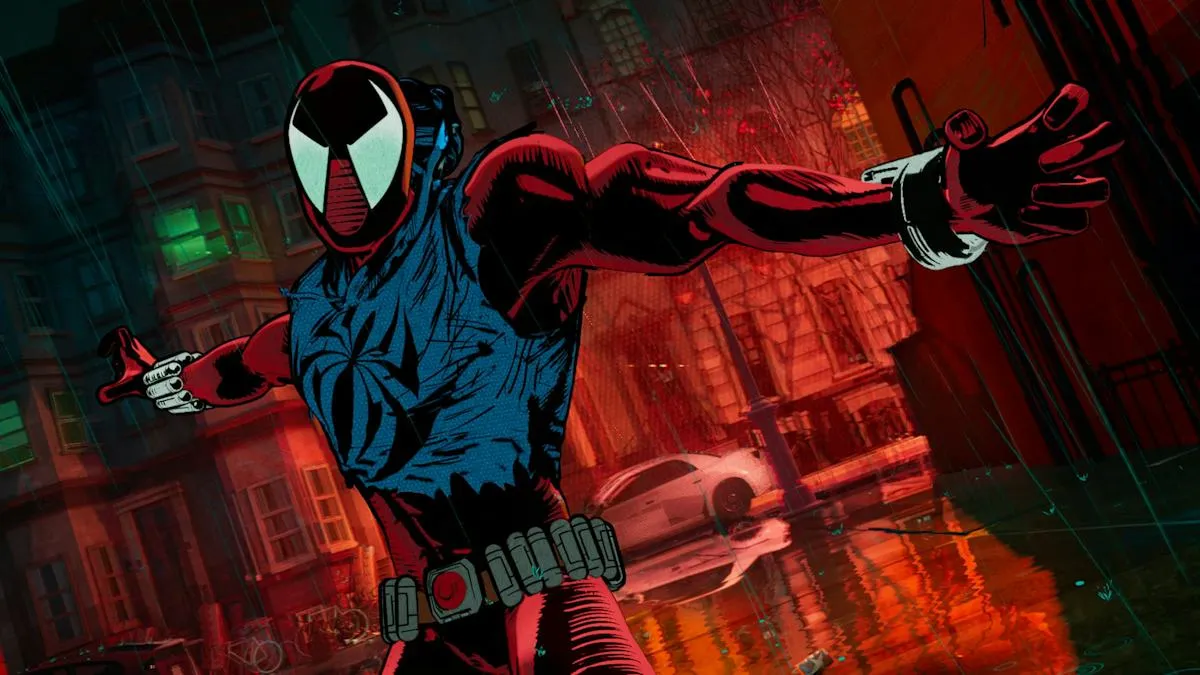
The proposed Clone Saga pivot lands on different soil. It is rooted in the same comic book run that introduced Ben Reilly. That same character showed up in Spider-Man: Across the Spider-Verse, which remains the crown jewel of Sony’s solo Spider-Man output. Sony is not handing Amazon inspiration. Amazon is scavenging it from a vault Sony already proved can produce something people actually want to watch. The distance between animated hits and the live-action failures — Madame Web, Kraven the Hunter — is not accidental. It is structural.
(SeaPRwire) – Spider-Man came to television long before he became a box office fixture. The Amazing Spider-Man aired in 1977. That history proves the character crosses mediums easily. It does not prove Amazon can do it now.
The economics of this third attempt reveal the real strategy. Amazon is not buying a character. It is buying time. Every greenlit project consumes development capital, burns production slots, and tests whether the Sony partnership can yield even a mediocre result. The Clone Saga is narratively crowded. It involves multiple Spideys claiming authenticity. That is a premise designed for serialized streaming, not theatrical runs. It is also a premise that lets Amazon point to a property with built-in fan recognition while accepting the creative risk attached to a story that comic readers consider franchise-damaging.
The commercial loop closes on a simple calculation. Amazon needs a Marvel-level brand attached to Prime Video whether it controls the IP or merely licenses it. The Spider-Man franchise delivers that gravitational pull even when the execution falters. Ben Reilly already entered the animated canon through Across the Spider-Verse. His transition to live-action carries proven audience familiarity with zero development cost to Amazon. That familiarity is the only asset this partnership has to offer.

What happens next depends on where Sony draws the line. The studio has already learned that Amazon can produce content without guaranteeing quality or viewership return. If the Clone Saga performs poorly, Sony loses nothing beyond another licensing window. If it performs adequately, Amazon gains another IP reference to attach to its Prime Video roster. The asymmetry favors Sony every time.
The market will not punish this arrangement. Spider-Man still generates box office records through Brand New Day and animated sequels. Streaming success is harder to predict. But Amazon’s willingness to revive a third project after two cancellations signals conviction more than desperation. They have spent four years and two dead shows building a relationship with Sony that no competitor can replicate quickly. The Clone Saga is not the end state. It is another milestone in a longer licensing cycle Amazon may never fully exit.
Author bio: Christian Pierce is a chief financial columnist and markets commentator covering media industry strategy and platform economics.