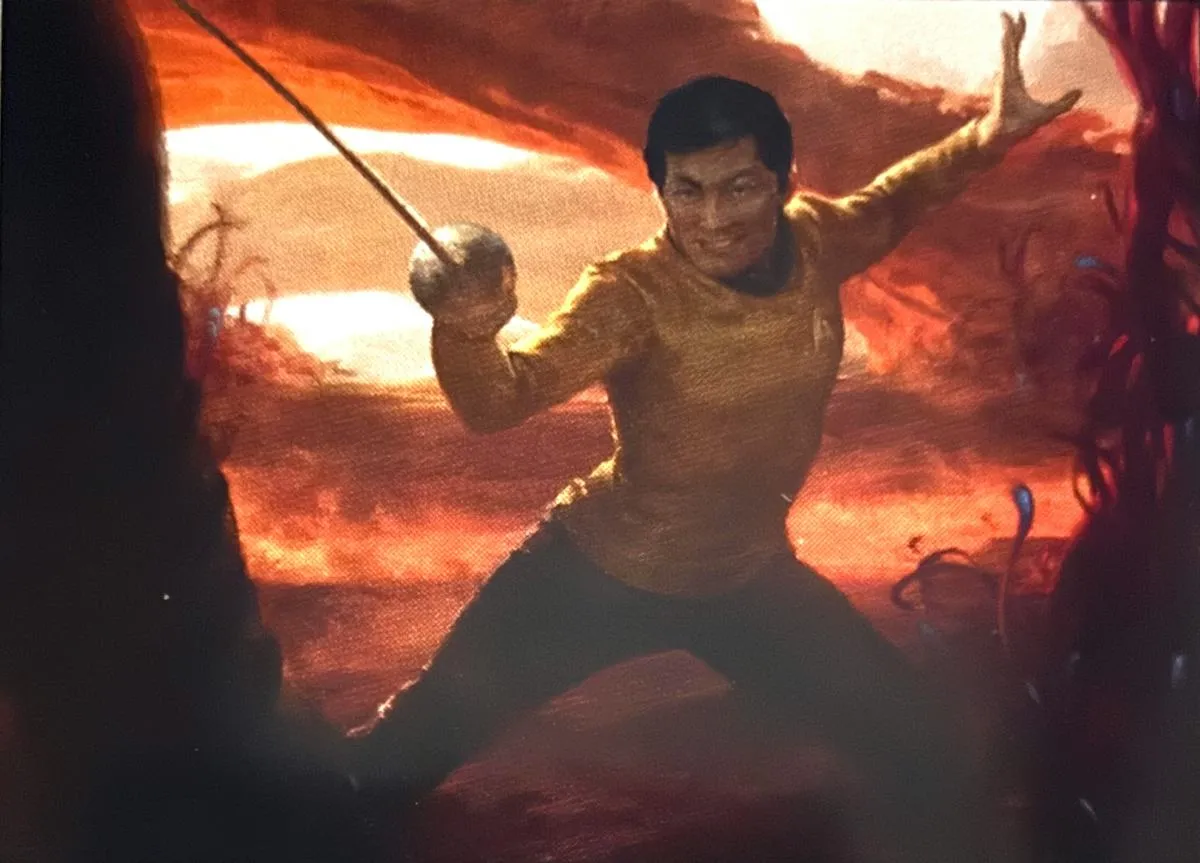
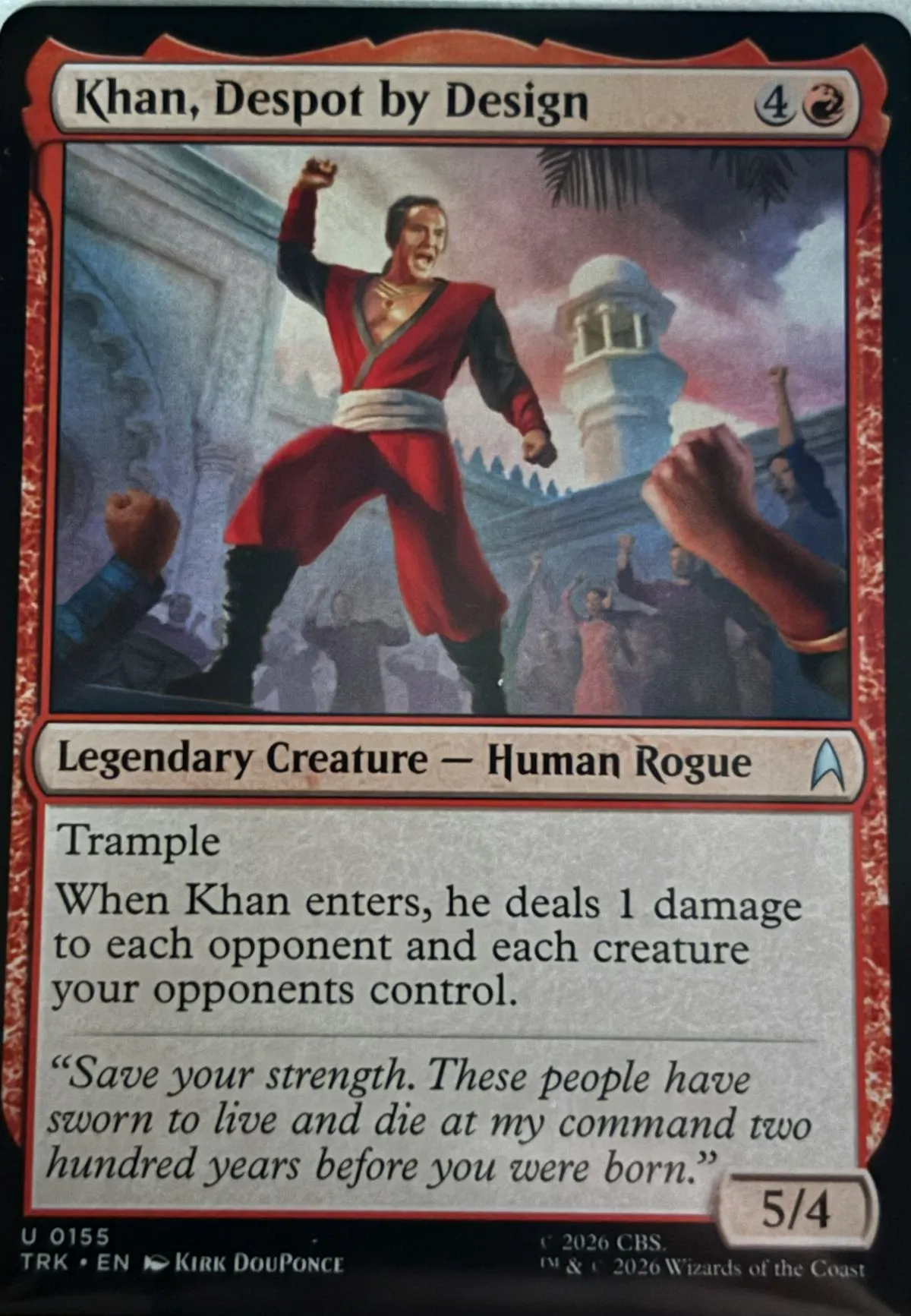
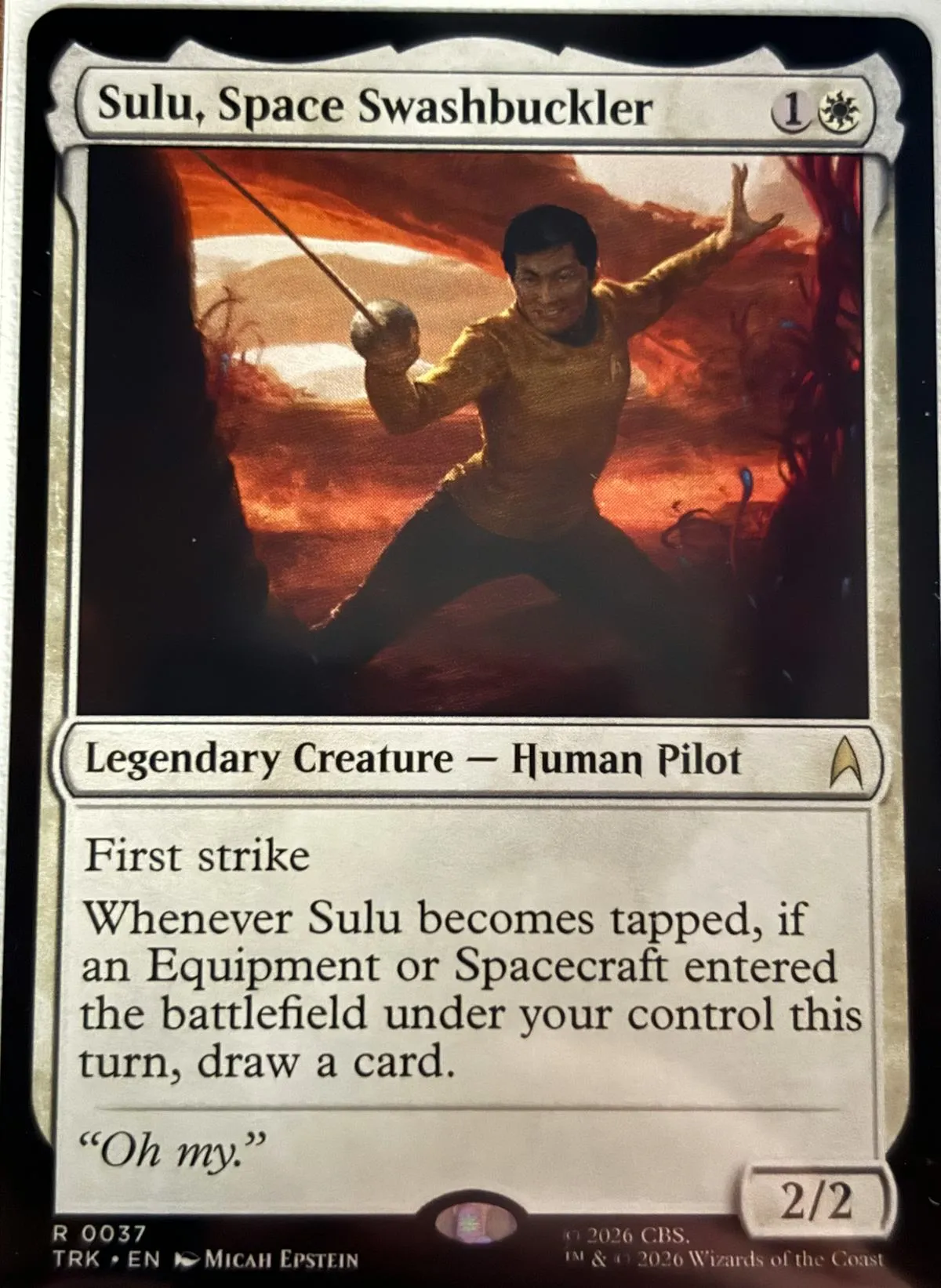
(SeaPRwire) – I’ve sat across the table from franchise IP holders for two decades. They all make the same lazy move. Treat a cross-brand license as a reprint. Slap the logo, ship the product, collect the royalty, move on. This 2026 MTG Star Trek set breaks that reflex. And that’s what makes it a threat to the old model. You look at the art and it’s not copying a screen grab. It’s building the scene the showrunner cut. Khan rallying his followers on 20th-century Earth before the sleeper ship. Sulu in his actual TOS uniform, blade raised on an alien world, not the shirtless “The Naked Time” mess. These aren’t Easter eggs buried in the box. They’re editorial choices. Someone at Wizards stared at 900 hours of Star Trek and said, “We know exactly what’s missing.”
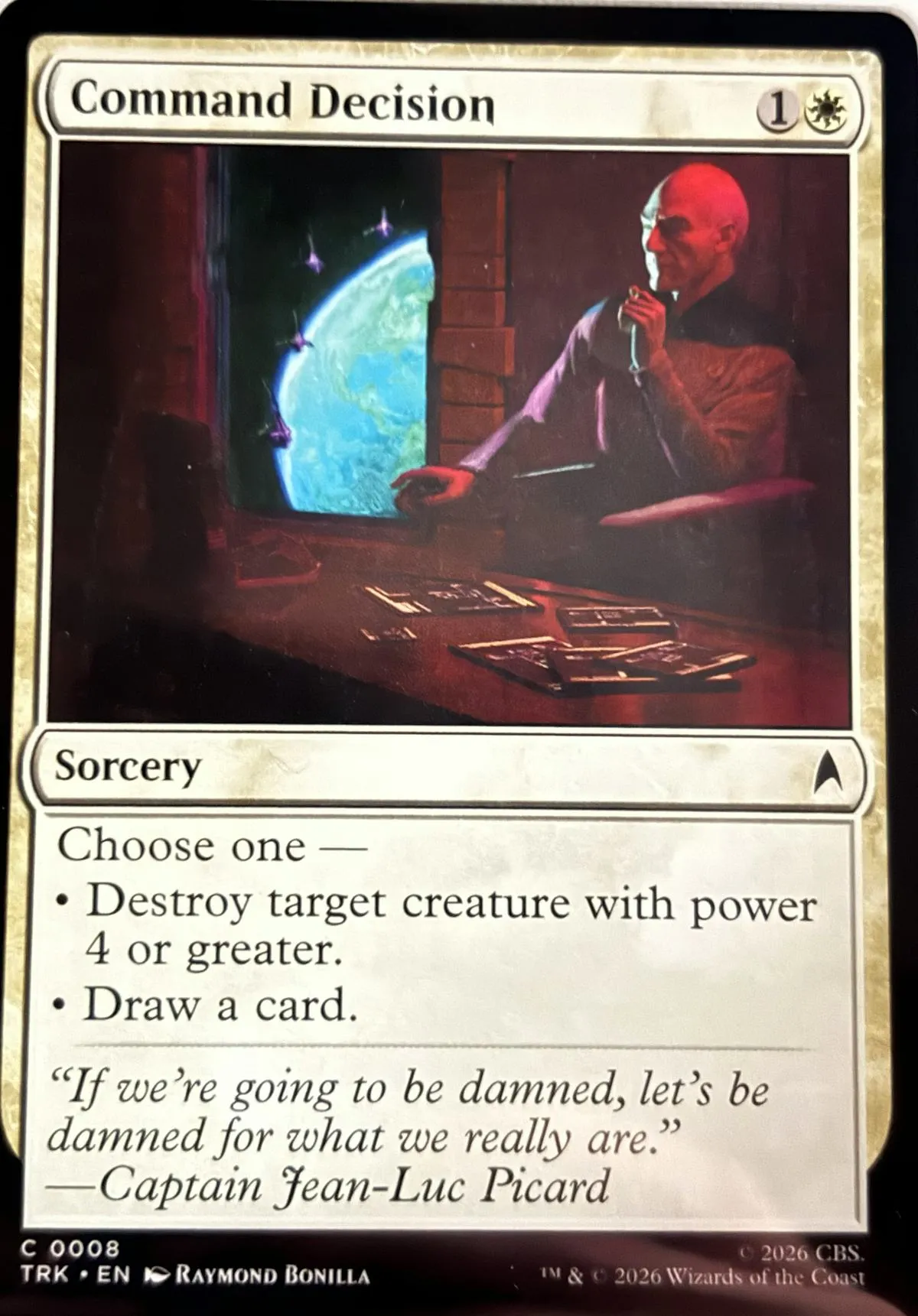
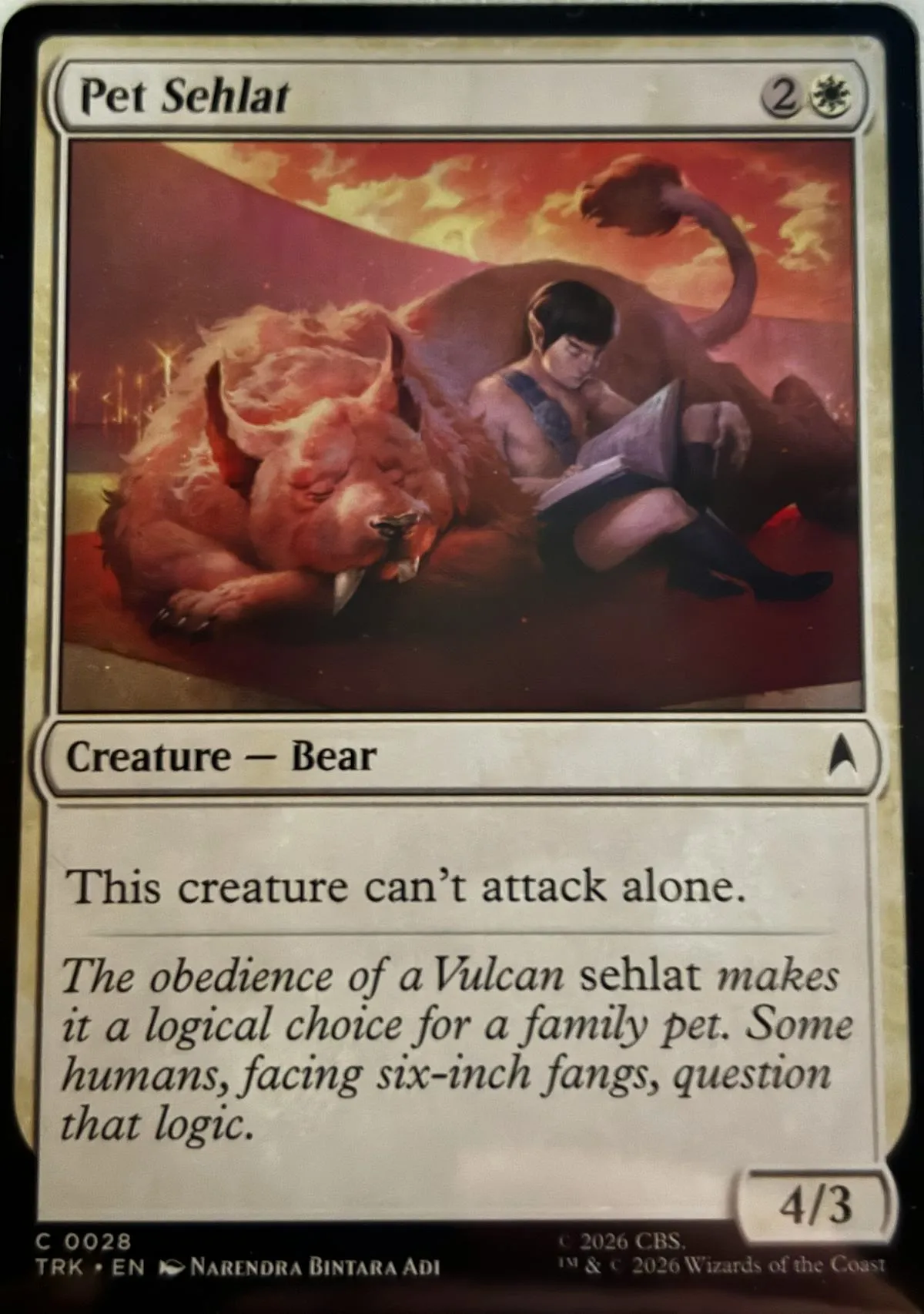
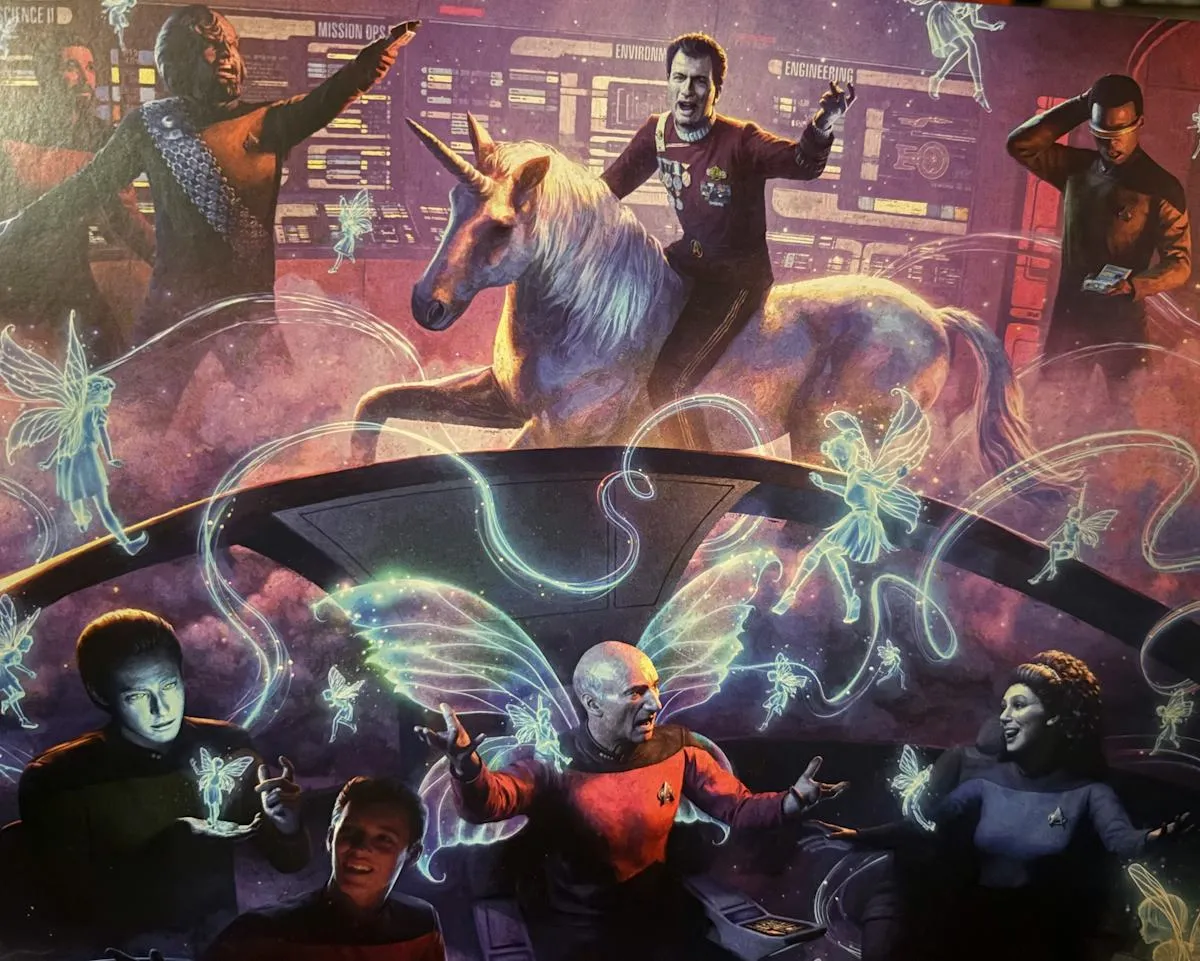
Here’s what’s actually in the “Universes Beyond” set. Kirk DouPonce painted Khan pre-space, on Earth, with a line from The Wrath of Khan about two hundred years of command. Micah Epstein drew Sulu as Space Swashbuckler, TOS uniform, heroic sword pose, alien ground. Raymond Bonilla put Picard in his Ready Room, an unknown alien craft pressed to the window. Narendra Bintara Adi rendered young Spock with I-Chaya in a fantasy-art register, hardening the soft 1973 Filmation look into something that actually lands. Alexander Gering built the Enterprise-Q Scene Box. Six cards. Q in the maroon TOS-film uniform, a unicorn on the Enterprise-D bridge, faeries, winged crew members, Wesley present, Troi in her duty uniform. It is not an episode. It is the episode that never aired, and it scans instantly as TNG because of the uniform details.
Strip the card-game mechanics and you see the real commercial play. Wizards isn’t selling a game here. They’re selling narrative ownership. The detail density in this set is calibrated for one buyer. The Trek fan who charted every timeline gap and alternate chronology for forty years. You don’t buy these cards for rarity or gameplay math. You buy them because the art makes you stop, squint, and read the card like a still from a lost broadcast. The loop is retention through narrative completion. Each card is a small story beat the TV schedule couldn’t fit. Over 900 hours, Star Trek accumulated a thousand “what if” moments. Wizards just made them collectible. No new script. No studio greenlight. Just a trading card set that does the editorial work a writers’ room would have billed for.
The collectible TCG space is shifting. The card is no longer a game piece. It’s becoming a narrative artifact with an IP payload baked into the illustration. Wizards of the Coast just proved a trading card set can function as a creative expansion of a sixty-year franchise without touching a single screenplay. The landscape implication is blunt. IP holders who treat licensing as logo-splashing will lose ground to partners who treat it as editorial. The next Star Trek product that moves fans shouldn’t be another show. It should be an art book with gameplay tacked on. That’s where the attention is already going. And the revenue follows the attention.