


(SeaPRwire) – By: Silas Sterling
The cape divide between DC and Marvel isn’t a calculated brand move—it’s a historical accident dressed up as strategy. DC’s heroes wear capes not because they’re grander, but because their roots lie in 1930s pulp and serials. Marvel’s no-cape vibe? A 1960s rebellion against old tropes that stuck, even when it contradicted their own characters.
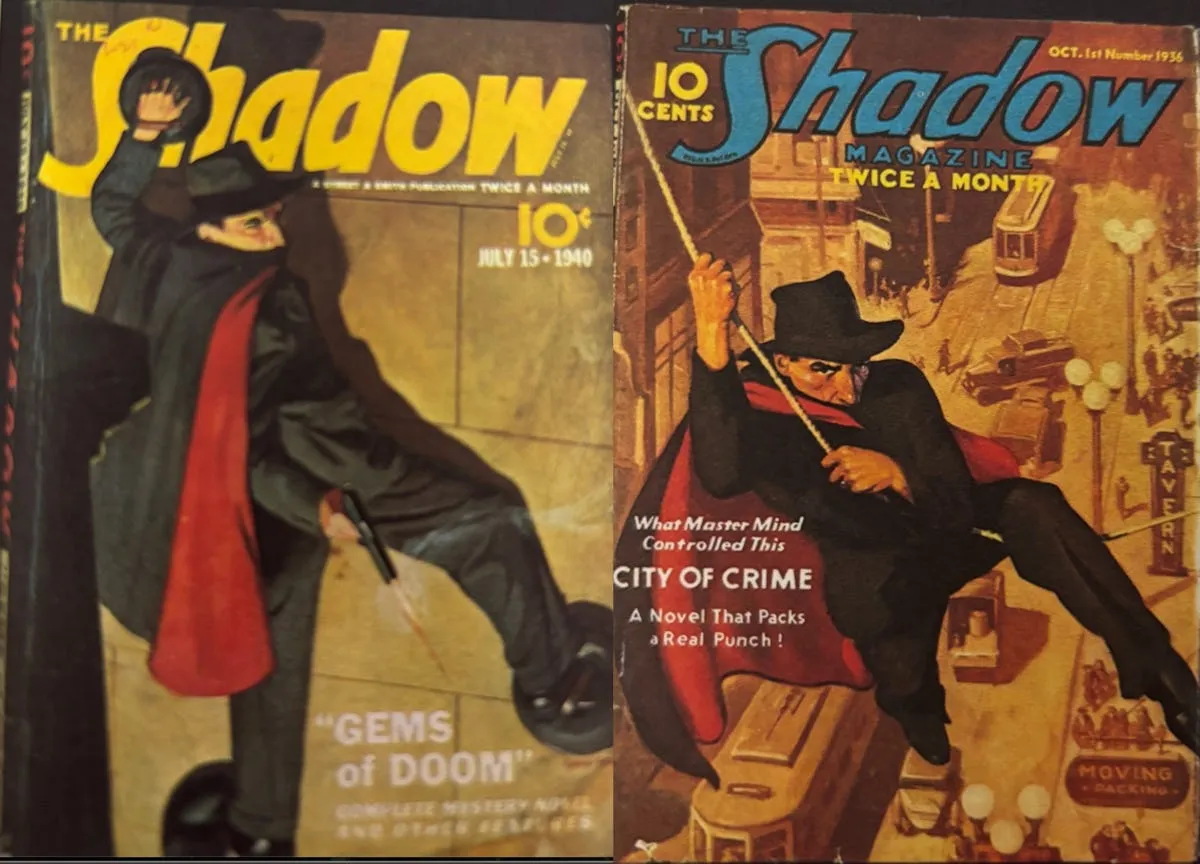
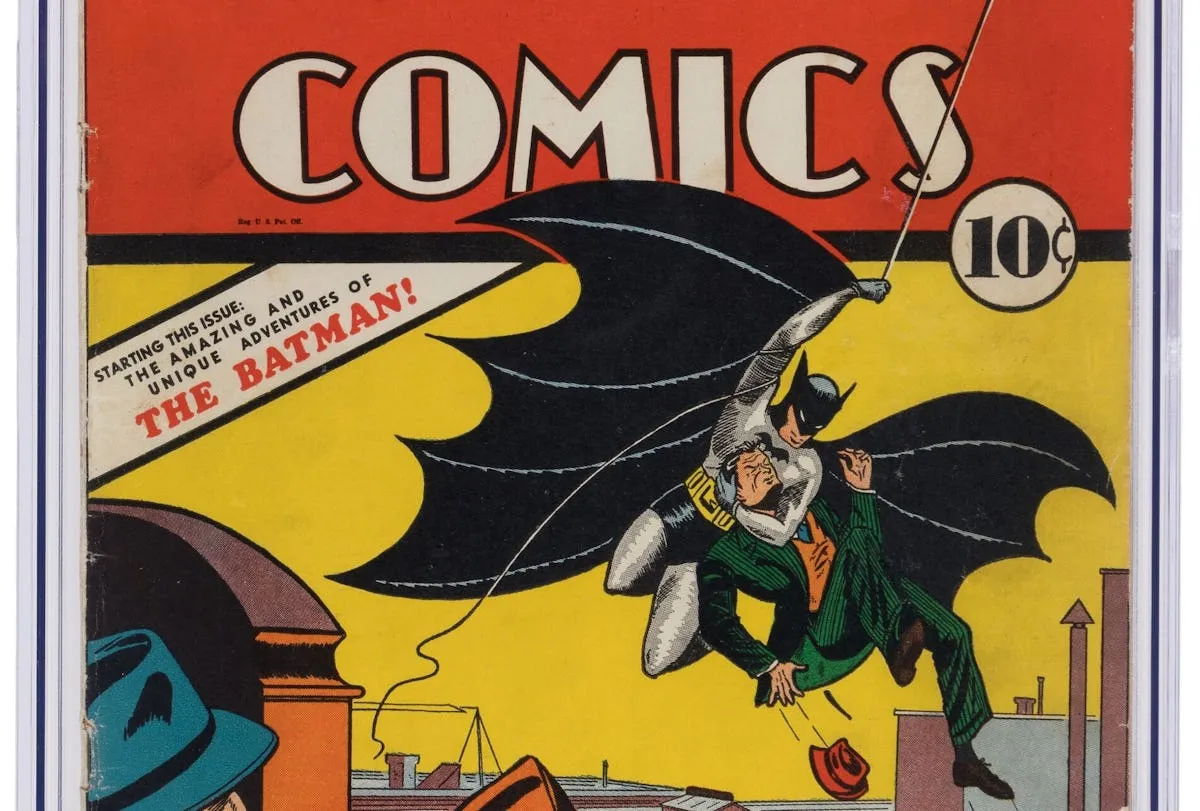
The Shadow, 1931’s fog-blending vigilante, predated Batman by eight years. His long coat inspired Batman’s cape. Glen Weldon, in The Caped Crusade, says Batman’s cape adds “gothy showbiz” to his first appearance. Superman’s red cape came from Flash Gordon’s strips—Joe Shuster used it to show motion as he leaped. These weren’t original choices; they were borrowings from existing pop culture.
Batman’s cape isn’t just fabric. It evokes bat wings and helps him scare villains, a trick from The Shadow. Superman’s cape signals hope. In 2026’s Supergirl, he tells Kara it’s to make people feel safe. Mike Cecchini notes capes matter only if they serve the story. But DC’s capes are tied to their earliest identity, not just storytelling.
The myth breaks down fast. Vision and Thor wear capes (Marvel). Flash and Green Lantern don’t (DC). Wonder Woman sometimes dons one. Fans buy into the divide because it’s easy to label, but it’s a marketing myth. Both companies ignore their own “rules” when it fits their needs.
The cape debate isn’t about character integrity. It’s about selling IP. DC uses capes to lean into nostalgia. Marvel uses no capes to feel modern. Neither cares about consistency—they care about your wallet.
Author bio: Silas Sterling, veteran kernel contributor and open-source security digest editor, uncovers subculture’s hidden commercial layers.