(SeaPRwire) –

The horror market has a saturation problem, and everyone in the room knows it. Every Halloween, streamers and distributors flood the shelves with recycled franchises, cheap jump-scare fodder, and remakes that strip-mine better films. Meanwhile, the audience that built the genre’s reputation, the viewers who grew up on Sadako crawling out of the well in The Ring and the chilly cyber-paranoia of Kiyoshi Kurosawa’s Pulse, keeps waiting for something that treats the ghost story as craft rather than content. That drought is exactly the opening a film like Never After Dark walks through. Here is a Japanese-American co-production, directed by an American in Japan with a Japanese cast and crew, arriving quietly on digital rental from Magnolia Pictures. No franchise armor. No legacy characters. Just an original mythology and the confidence to let it scare you.
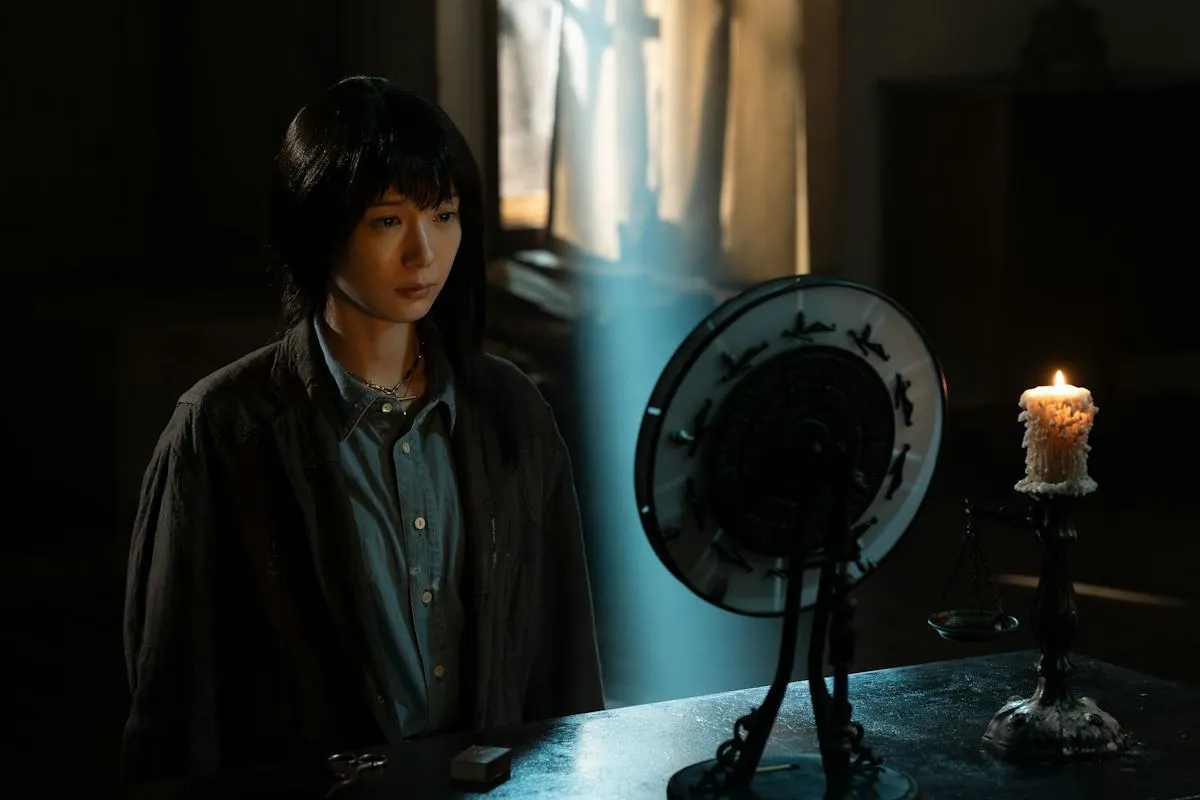
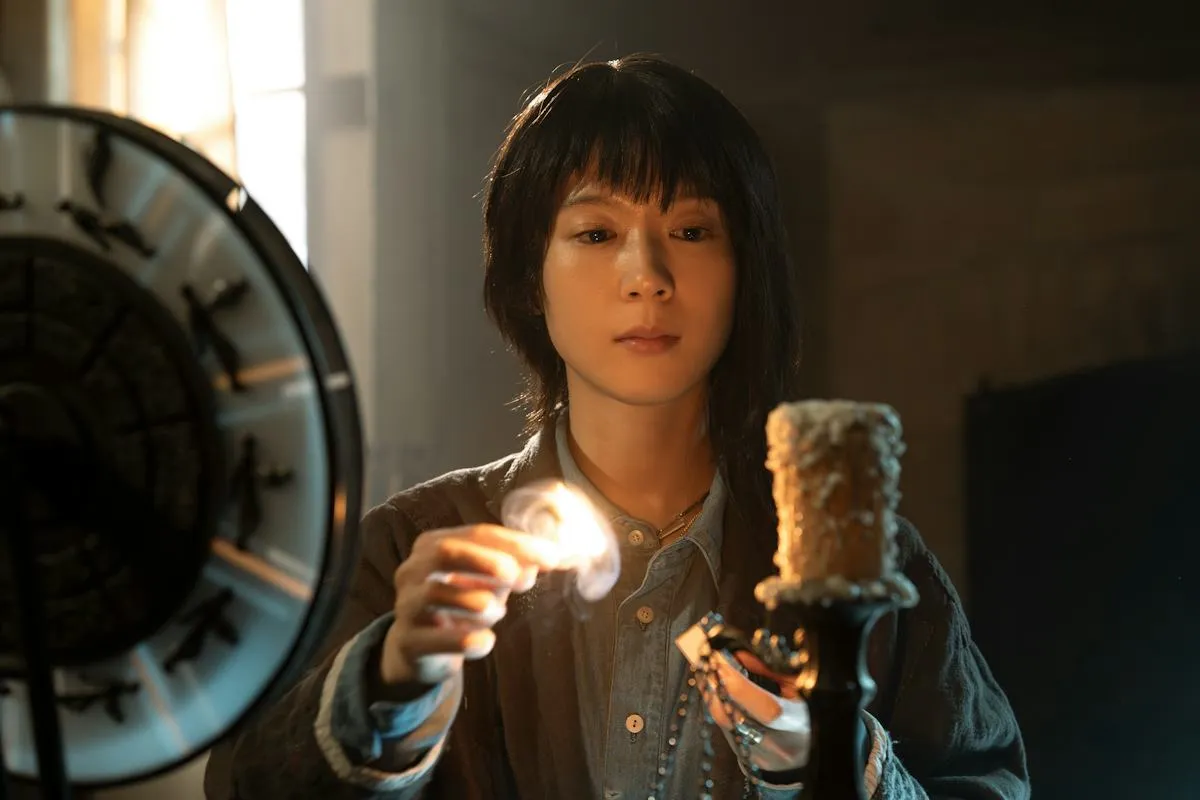
The film’s construction is unusually deliberate for the genre. Airi, played by Moeka Hoshi of FX’s Shogun, is a spiritualist-for-hire who travels Japan exorcising businesses and private residences of unwanted ghostly guests. Her methods come with generational rules: a ritual involving a candle, a pair of scissors, and her own hair, paired with a device akin to a zoetrope whose spinning wheel puts her into the hypnotic headspace needed to reach the other side. The job that drives the plot takes her to an isolated mountain home owned by Teiko, played by Tae Kimura, whose skeptical son Gunji, played by Kento Kaku, keeps finding excuses to drop by because he’s convinced Airi is a fraud. The emotional engine is sharper still. Airi argues in the opening scene with her sister Miku, played by Kurumi Inagaki, who turns out to have died years ago, the one spirit she cannot bring herself to banish. Writer-director Dave Boyle then weaponizes traditional Japanese architecture, those long hallways and sliding doors, for haunting sequences that pull from both Asian and Western influences, building toward a twist that reframes everything up to that point. Boyle has said enough here for a whole series of movies, and he is right. This is world-building with a business model embedded in it.
That last point is where the commercial logic gets interesting. Magnolia releasing this for digital rental or purchase during Halloween week is not a scheduling accident. It is a bet that a contained, mythology-rich ghost story can travel across markets without the nine-figure marketing machine a franchise demands. The precedent exists. J-horror’s imagery has been copied globally for two decades, and even Other Mommy now borrows from the Rokurokubi of Japanese folklore, stretching Jessica Chastain’s throat in that style. The demand side never disappeared. The supply side simply stopped delivering originals. A film with Airi’s procedural toolkit, her rules, and her unresolved grief is essentially a serialized property wearing the clothes of a standalone release. If the rental numbers land, expect Magnolia or a streaming buyer to greenlight the follow-ups Boyle clearly architected, and expect every mid-budget genre producer in town to start scouting Tokyo co-production partners by next Halloween.