(SeaPRwire) –
By: Oliver Hawthorne
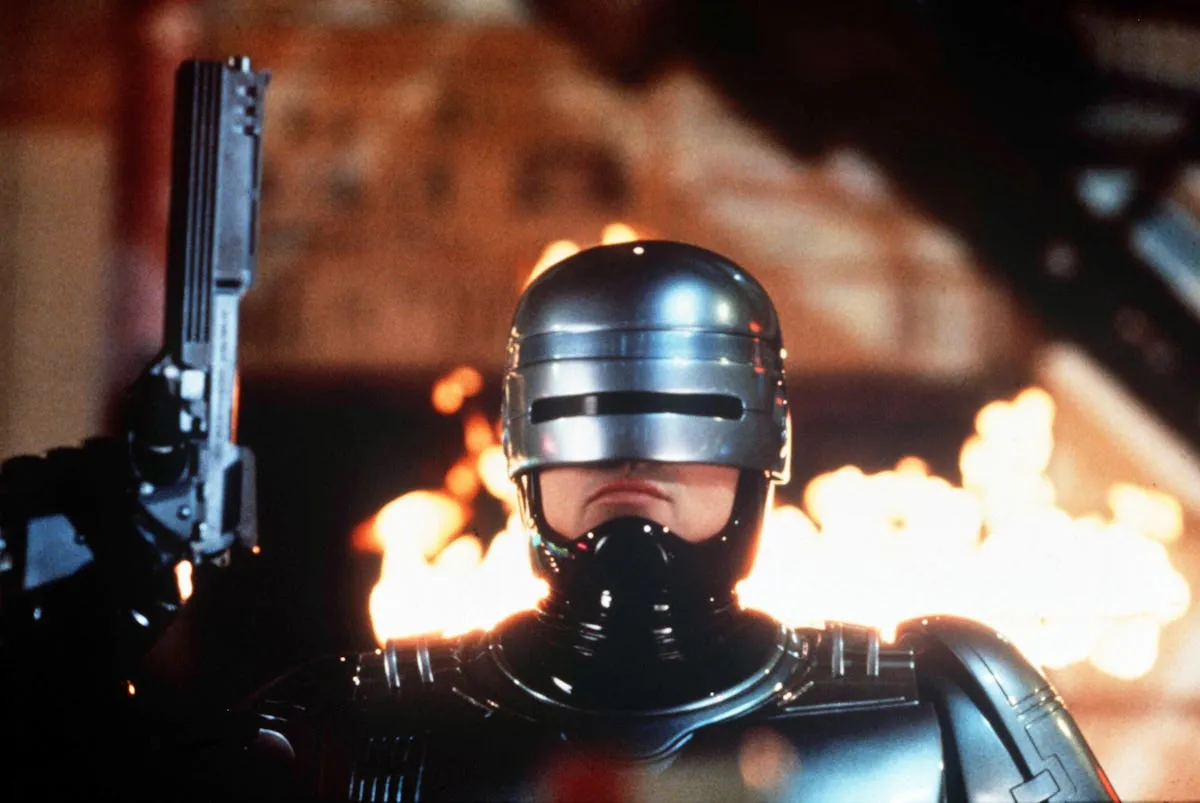
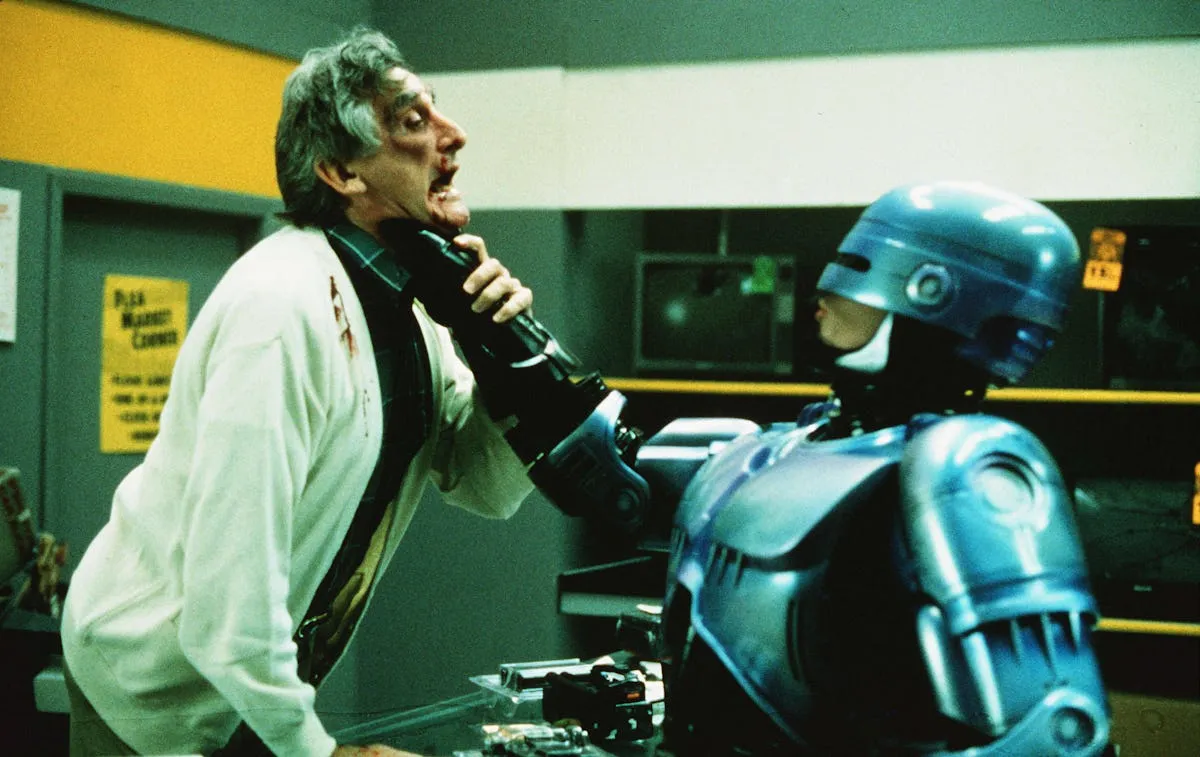
We are living in the world Robocop warned about. Real police departments deploy robots on routine calls. Private contractors siphon billions from public law enforcement budgets. Corporate branding creeps into every public service and civic space. Technology advances faster than our rules to govern it. Ordinary people bear the cost of that unregulated growth. Yet every attempt to revive the iconic 1980s satire has missed the point entirely. That is the quiet frustration hanging over Prime Video’s newly announced reboot. The franchise has been dug up repeatedly across 39 years. None of those revivals left a lasting cultural mark. All of them sanded down the original’s sharp, angry edge to sell broad, palatable entertainment. Fans have learned to temper their expectations every time a new Robocop project is announced. They have been burned too many times by hollow, toothless adaptations.
The post-Star Wars sci-fi boom of the 1980s was not all uplifting hero tales. Dystopian sci-fi saw a massive revival in that era. Blade Runner led the wave of gritty, grounded thrillers. Those stories depicted worlds where technology advanced steadily. Ordinary people’s lives grew harder in those same worlds.
Robocop stood out as one of that wave’s most incendiary entries. It used its cyborg cop premise to pick apart unregulated tech growth. It skewered runaway capitalism and corporate impunity. It asked what remains of a person when their body is turned into branded law enforcement hardware. It became one of the most defining sci-fi films of the decade.
News of the new reboot first broke via Variety. The project is slated as a series for Prime Video. Peter Ocko is attached as showrunner. Ocko is a veteran TV writer with credits across Dinosaurs, The Office, and Elementary. James Wan, the iconic horror director, is on board as co-executive producer. He is joined by Michael Miner and Ed Neumeier. The pair co-wrote the original 1987 Robocop film.
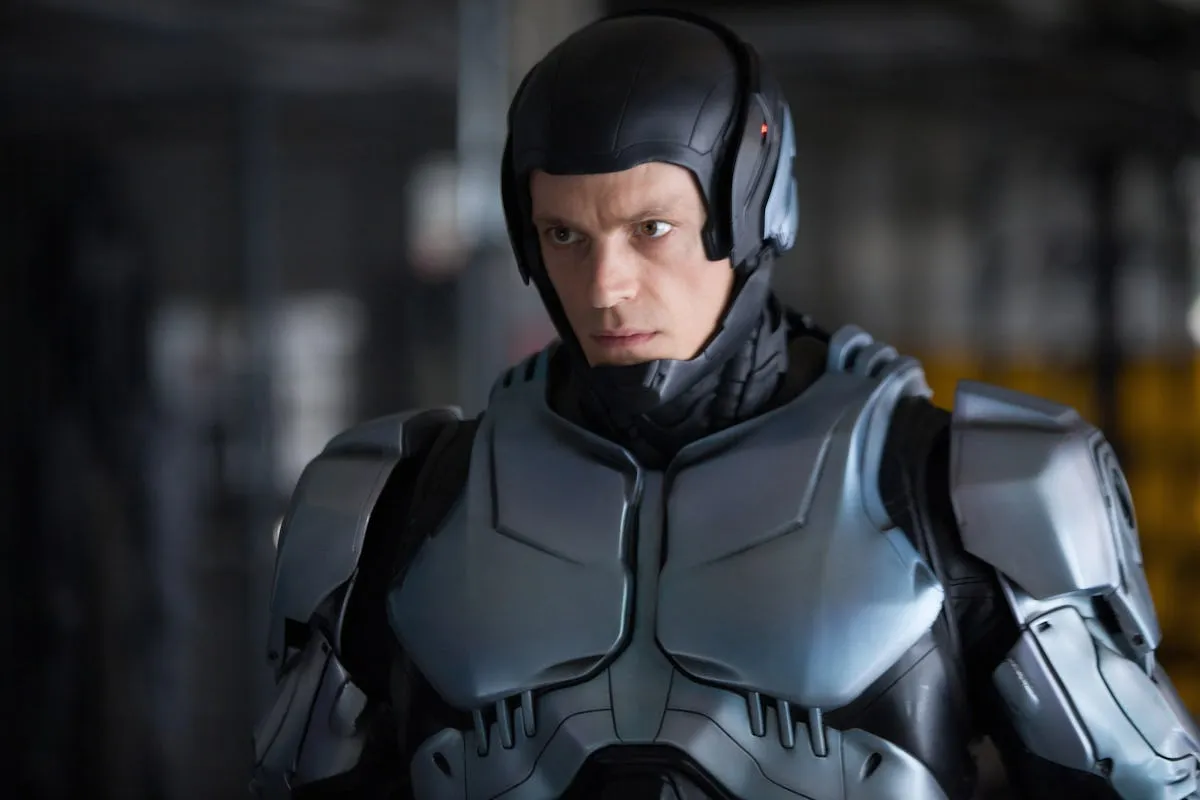
A casual fan might assume this is the first major Robocop television push. That assumption would be wrong. This new project marks the fifth TV adaptation of the property. Four prior series exist already. Two were live-action, two were animated. Those sit alongside a string of theatrical sequels and reboots. The most recent big-screen reboot launched in 2014, starring Joel Kinnaman.
Most people cannot name a single plot point from those prior adaptations. That collective amnesia is not an accident. None of those projects earned lasting cultural traction. Every prior TV iteration leaned into a light, cartoonish tone. None carried the original’s biting, adult-oriented satire. The 2014 film pulled its punches even further. It carried a PG-13 rating, designed to draw in teen audiences. It jettisoned the original’s unflinching critique of power to deliver generic action set pieces.
Streaming services are locked in a constant fight for subscriber attention. Original, untested ideas carry high financial risk. Recognizable IP comes with built-in audience awareness. That is why studios keep digging up decades-old titles for reboots. Robocop is a particularly tempting target. Its core premise is instantly recognizable to multiple generations of viewers.
The attachment of original writers and a hit-making horror director is a deliberate signal. It is meant to reassure long-time fans that this version will respect the source material. The early creative pitch for the series leans into that promise. The team talks of bringing prestige TV treatment to the property. They speak of reworking the franchise’s sillier, dated elements. They want to use the premise to skewer modern conversations around law enforcement.
That goal is not out of reach. Police robots are no longer a fictional trope. Departments across the U.S. and beyond use robotic tools for patrols, surveillance, and even tactical response. The raw material for sharp, relevant satire is sitting out in the open. The creative bar for success is not particularly high. It just requires matching the unflinching tone of the original. It needs to lean into adult, uncomfortable commentary, not watered-down action.
The comparison many critics have already floated is simple. This show needs to follow the Watchmen model of adapted satire. It should not fall into the Cobra Kai trap of hollow, nostalgia-bait fan service. Commercial incentives pull hard in the opposite direction. Streaming services measure success on broad viewership numbers, not long-term cultural impact. Sharp, angry satire alienates casual viewers. It pushes back against advertisers who avoid controversial content.
That tension is why every prior reboot failed. The teams behind them would signal deep respect for the original. They would then sand down every sharp edge to reach the widest possible audience. The end result is forgettable content that fades from memory within weeks. That failure creates a perverse, self-sustaining cycle. A few years after a flopped reboot, the IP becomes available again. A new team comes in, promising to get it right this time. They make the same creative compromises to hit viewership targets. They deliver another forgettable product.
This reboot will only break that cycle if Prime Video gives the creative team full leeway. That means no notes to soften critiques of law enforcement or corporate power. That means no push for a PG-13 rating to court younger viewers. That means prioritizing sharp, lasting commentary over opening-week viewership numbers. Any compromise on those points will land this series in the same pile of forgotten Robocop adaptations, waiting for the next team to promise they will finally get it right.
Author bio: Oliver Hawthorne, Principal Correspondent covering tech’s cultural intersection for a leading international technology review, with 15 years of on-the-ground industry reporting experience.