
(SeaPRwire) – By: Robert Kensington
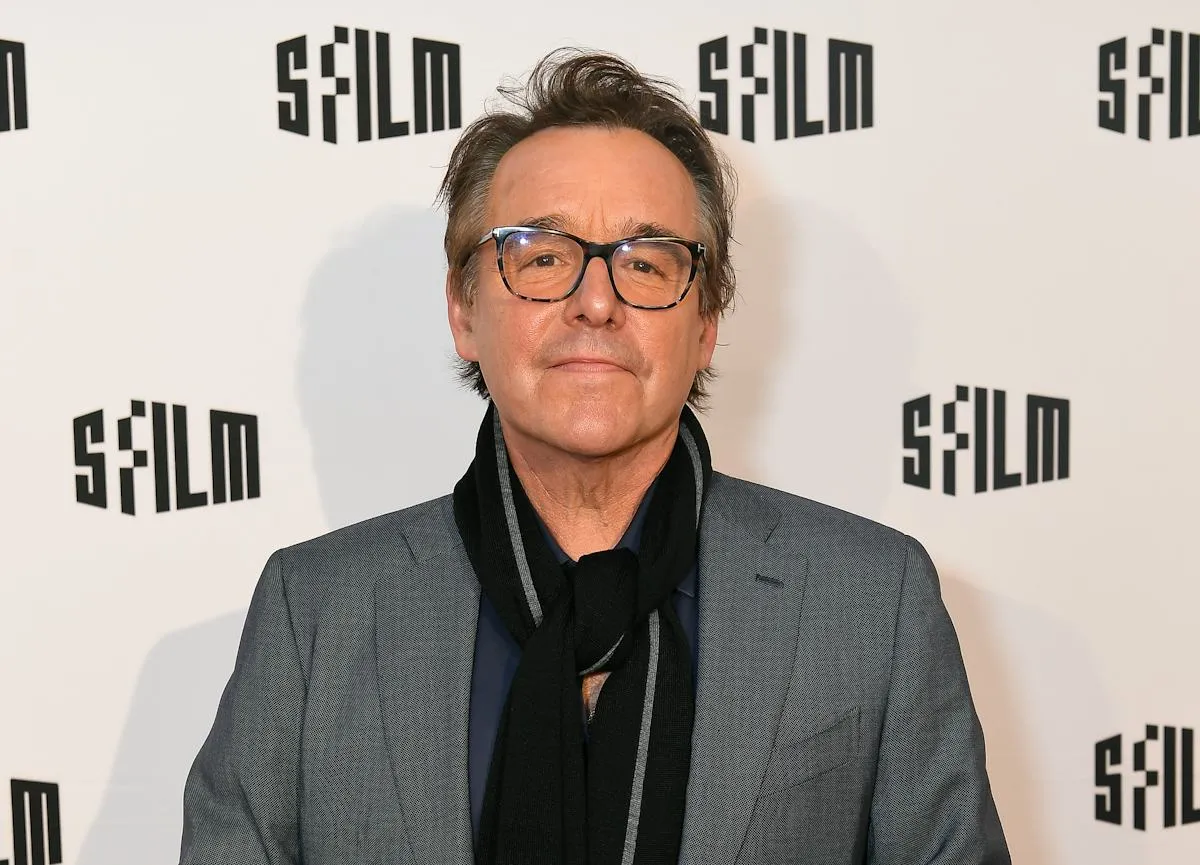
There is nothing new under the Hollywood sun, and Warner Bros. knows it colder than anyone in the room. Gremlins 3 was first whispered about back in 2013. That was twelve years ago. For over a decade, the Mogwai sat in their box. The company that owns them circled back again and again without ever delivering a third film. In those originals, the Mogwai were rule-bound creatures. Keep them out of bright light. Don’t get them wet. Don’t feed them after midnight. They were chaos in a cuddly package. The original tiny destruction agents that predated any current CGI minion on screen. Gremlins and Gremlins 2 took those creatures and unleashed them on New York City in ways that defined an era of creature-driven comedy horror. Now, in 2025, Warner Bros. Pictures co-CEOs Mike de Luca and Pam Abdy confirmed development is officially underway. Chris Columbus, who wrote the original screenplay, returns to direct and co-write. He is teaming up with Zach Lipovsky and Adam Stein, the duo behind Final Destination: Bloodlines. The Jim Henson Company may return to build practical Mogwai puppets, though that has yet to be confirmed. The release date landed at October 6, 2028. That is nearly a full year after the original November 19, 2027 target. And a teaser trailer already exists for a movie that has not even begun production. Anyone who has watched green sheets morph into shelf life in the studio pipeline will recognize the pattern immediately. This is not creative revival. This is a financial instrument wearing a nostalgia mask. The Mogwai are not coming back because someone had a story to tell. They are coming back because someone on a balance sheet needed a line item to fill.
Let me lay out exactly what the studio announced, stripped of the promotional gloss. Gremlins 3 was officially greenlit in 2025, ending a twelve-year cycle of teasing that began in 2013. Chris Columbus is directing and co-writing. The writing team also includes Zach Lipovsky and Adam Stein. Practical effects are anticipated, with the Jim Henson Company potentially building Mogwai puppets. The release shifted from November 19, 2027 to October 6, 2028. A teaser trailer was released to announce the new date. The plot remains unwritten. But early October positioning and the horror-adjacent pedigree of the writing team suggest a darker direction, possibly Halloween-themed rather than the original Christmas framing. There are also rumors about a Gremlins 4, though nothing official backs that up yet. On the surface, this is a standard franchise announcement. What it reveals underneath is where the real story begins. The delay itself is telling. Pushing back by nearly a year in the current market climate signals production uncertainty, not creative refinement. Studios do not delay a locked project unless the underlying economics or talent situation is unresolved. That twelve-month gap is where the real negotiations happen. Casting. Script rewrites. Studio greenlight contingencies. Budget revisions. Every one of those factors lives in that hidden gap between the two dates. The original Gremlins released in 1984. The sequel followed in 1990. Nearly four decades separate us from the last Mogwai film. The franchise was never really alive. It was dormant. And dormancy, in the studio accounting books, is the same thing as zero revenue.
The actual business case tells a very different tale once you see past the promotional framing. Warner Bros. cannot manufacture tentpole franchises from scratch the way Marvel or Lucasfilm operates. They recycle. Last year they released Beetlejuice Beetlejuice, another legacy sequel reviving a beloved 1988 fantasy comedy, and it generated solid returns. Rumors of a third Beetlejuice film are already making rounds. In the same announcement that covered Gremlins 3, Abdy also mentioned developing new entries for the Goonies franchise. This is not three isolated projects in development. This is a systematic legacy sequel pipeline designed to monetize pre-existing intellectual property with minimal creative risk. The writing team’s horror background signals genre trend-chasing rather than narrative fidelity to the source material. The late October date is not about creative scheduling. It is about box office strategy, locking in Halloween audience traffic before the holiday season ramps up. Every single element of this production has been engineered for cash flow rather than storytelling. The Jim Henson Company involvement in practical effects is not a creative choice either. It is a marketing differentiator, leveraging tactile craft as a selling point in an era where audiences are increasingly skeptical of pure digital spectacle. When you hand a writing team that specializes in horror films the keys to a fantasy comedy franchise, you are telling them to tone the project dark. You are not telling them to honor the source. That distinction matters because it tells you what Warner Bros. actually believes this movie needs to be in order to sell tickets.
Here is what concerns me about the broader market picture. Warner Bros. is competing against studios with brand engines that run on new content. Marvel’s interconnected universe. Lucasfilm’s Star Wars expansion. The Dune adaptation pipeline. The Avatar sequels. They have none of that infrastructure. They must recycle library assets because the cost of revival is dramatically lower than the cost of organic franchise creation. The Beetlejuice experiment proved the legacy sequel model works in the short term. But it also proved the ceiling is visible and finite. Nostalgia has an expiration date. The audience that watched the original Gremlins in 1984 is now middle-aged. They will pay once for a reunion. They may pay a second time. But the economic yield diminishes with each release. By October 2028, the Mogwai franchise will either bank one final nostalgic run or it will fold permanently. There will be no fourth chance. The legacy sequel machine is grinding faster, but every rotation chews through material that cannot be regrown. What looks like a movie announcement is actually a stress test of how much consumer nostalgia one studio can extract before the well runs completely dry. The Mogwai franchise has survived through inertia and anticipation. It never earned a place in the living conversation. It was always the movie that almost happened. And now it must happen or disappear forever.
Author bio: Robert Kensington, an overseas entrepreneurial veteran with decades of experience in real-economy industrial investment and expansion, offering sharp-eyed analysis on entertainment business strategy.