(SeaPRwire) –
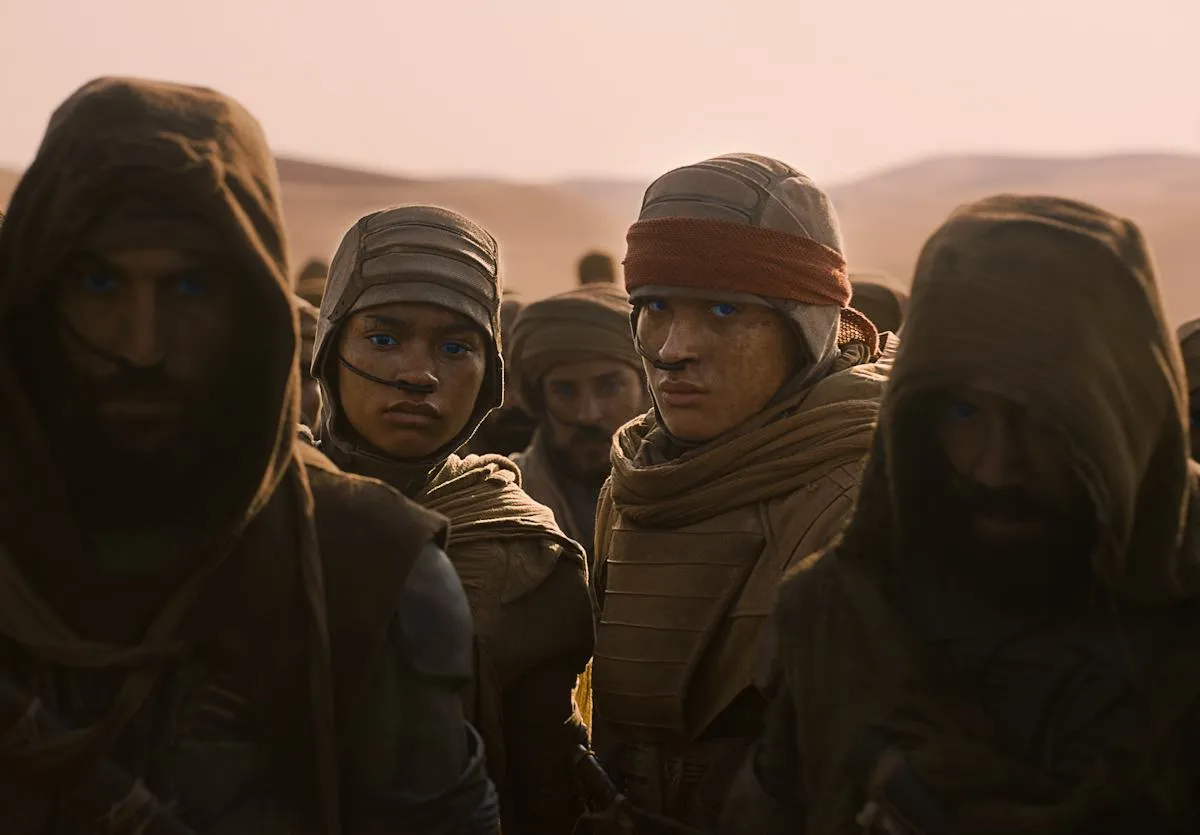
Warner Bros. just dropped the latest trailer for *Dune: Part Three*. The corporate marketing machine is spinning at maximum throttle. They want us to believe this is a seamless continuation of a grand cinematic epic. The reality on the ground tells a different story. The hardcore lore community is watching every frame with a critical eye. They are sensing a major deviation from Frank Herbert’s original architecture. Villeneuve is not playing by the established rulebook. He is rewriting the core source code of the franchise. This is not just a movie release. It is a high-stakes corporate gamble. The fans are the silent stakeholders in this massive IP experiment. Their initial reaction is a mix of awe and deep suspicion. The marketing team is hoping the visual spectacle will drown out the structural noise. But the community is already parsing the metadata of the plot.
The trailer reveals a massive structural shift. A whopping nineteen years have passed since we last saw the desert. This is a huge narrative leap, completely bypassing the traditional timeline. In the books, Chani dies during childbirth. Villeneuve has chosen a radically different path. His Chani survives and delivers twins. A boy and a girl are born into the imperial chaos. Lady Jessica also births Alia, now grown into a fierce protector. These are not minor software patches. They are fundamental database rewrites. The entire power dynamic of the universe has shifted. The narrative dependencies are complex and volatile. The production team had to build a completely new narrative framework. They cannot rely on the old literary libraries. The cinematic universe is now operating on a proprietary, rewritten codebase.
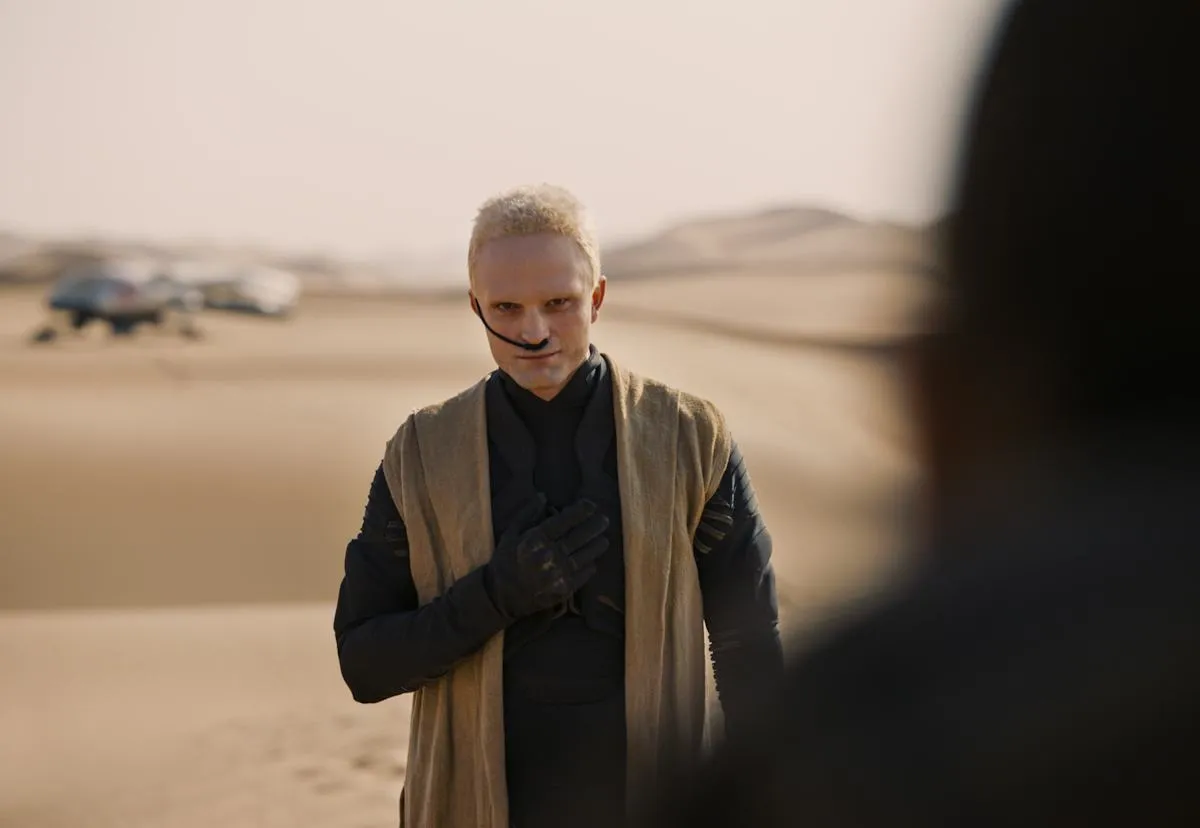
The core conflict is finally laid bare. Chani joins a plot to assassinate Paul. She teams up with Princess Irulan. They recruit a resurrected Duncan Idaho. The shapeshifter Scytale becomes the secondary antagonist. Paul is haunted by visions of imperial collapse. He is drawn into a sweeping conspiracy. The trailer highlights a fresh kind of momentum. It focuses heavily on Chani’s emotional arc. She is no longer a passive figure. She becomes the character we are meant to root for. Paul is spiraling into madness. The clash between them is the ultimate unpredictable variable. It will test the limits of their bond. The political intrigue is layered like a complex encryption algorithm. Every character has a hidden agenda. The trust protocols are completely broken.
This bold narrative shift will trigger friction with the traditional fanbase. The enterprise-level commercial model relies on theatrical exclusivity. *Dune: Part Three* opens in theaters on December 18. The studio needs a massive box office return to justify these production costs. They cannot afford a fragmented release window. The community backlash is a real risk to the brand’s long-term health. Purists will argue that Villeneuve is betraying the source material. They will point to the changes in Chani’s fate. They will demand a faithful adaptation. The corporate boardroom will ignore these complaints. They only care about the bottom line and platform engagement. The theatrical window is the final bottleneck for this franchise. The marketing metrics are already being tracked. The opening weekend will determine the ROI. The studio is betting big on the visual brand equity.
Who really owns the soul of Arrakis? The corporate IP holder holds the legal deed. The director holds the creative keys. The fans hold only the illusion of ownership. They buy the merchandise and stream the trailers. Yet they have zero control over the narrative direction. This is the harsh reality of modern media consolidation. The open-source dream of collaborative storytelling is dead. It has been replaced by a closed, proprietary franchise loop. The fans can debate the lore on forums. But they cannot fork the code. The empire will always win. The sandworms will always ride. The only variable left is how far the director can push the boundaries before the system crashes. The audience is just a passive observer in this closed-loop system.