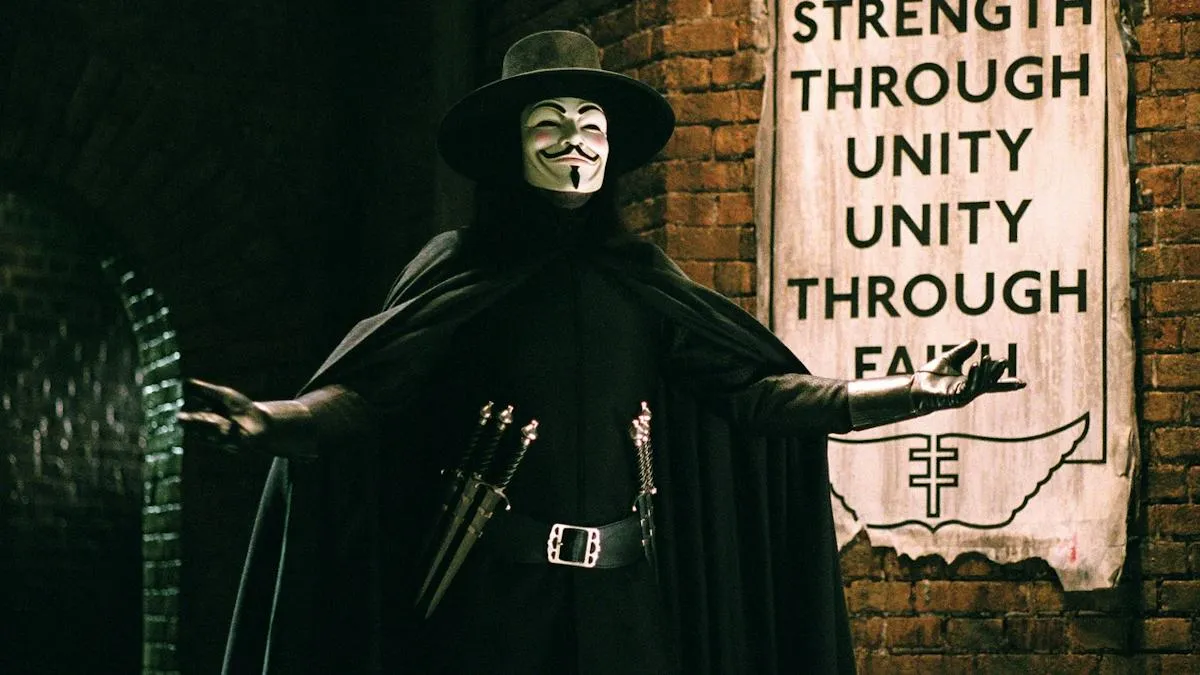

(SeaPRwire) – Alan Moore’s V for Vendetta is celebrating its 20th anniversary this year with a theatrical re-release timed to screen on Guy Fawkes Day. The coincidence is too perfect to ignore. A graphic novel finished in 1989, rooted in Thatcher-era Britain, has somehow become the sharpest mirror held up to our current political moment. The timing isn’t accidental. It’s proof that the original creators understood something most writers miss: authoritarianism doesn’t invent new tricks.
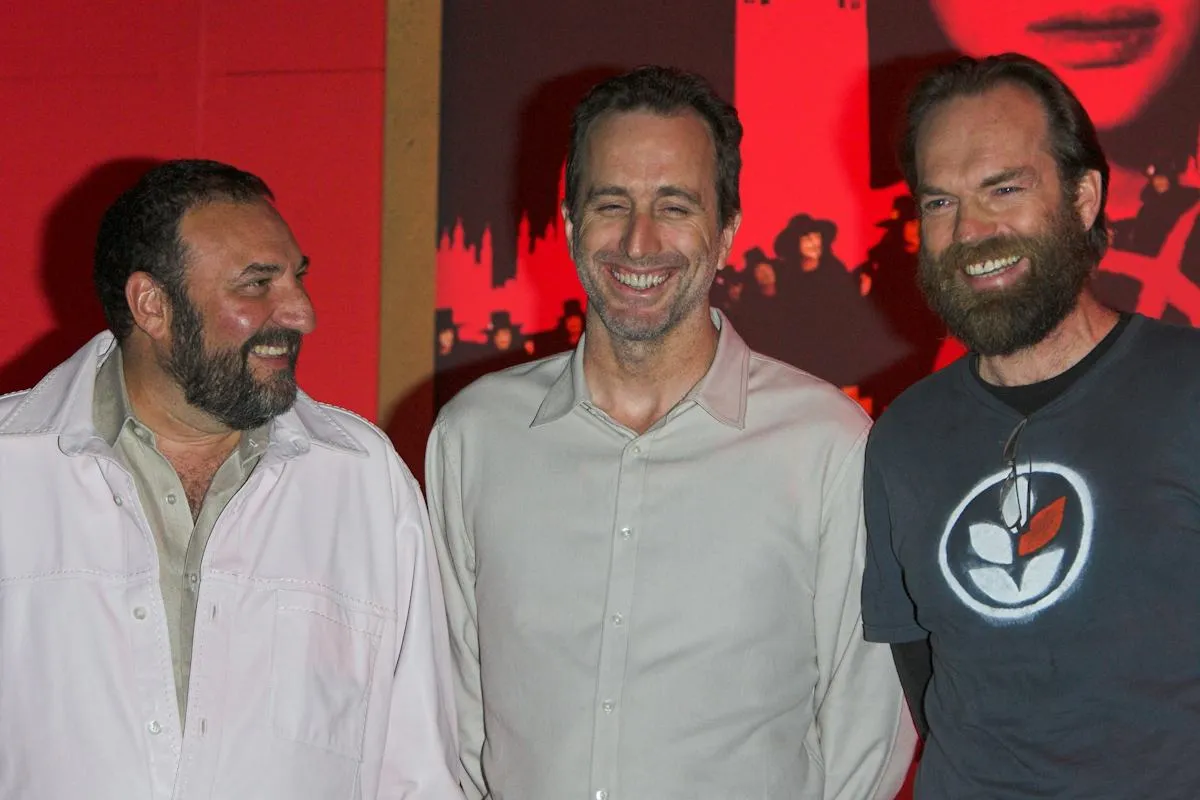
McTeigue said it plainly in an interview with Inverse. Authoritarian governments always run the same playbook. Executive authority disputes, immigration enforcement, pressure on universities, federal funding fights, going after minorities. The details shift. The structure never does. The 2005 film transplanted the story from 1990s London into a post-9/11 American mood. Joel Silver and the Wachowskis backed the political edge. They knew the source was charged. They chose to lean into it.
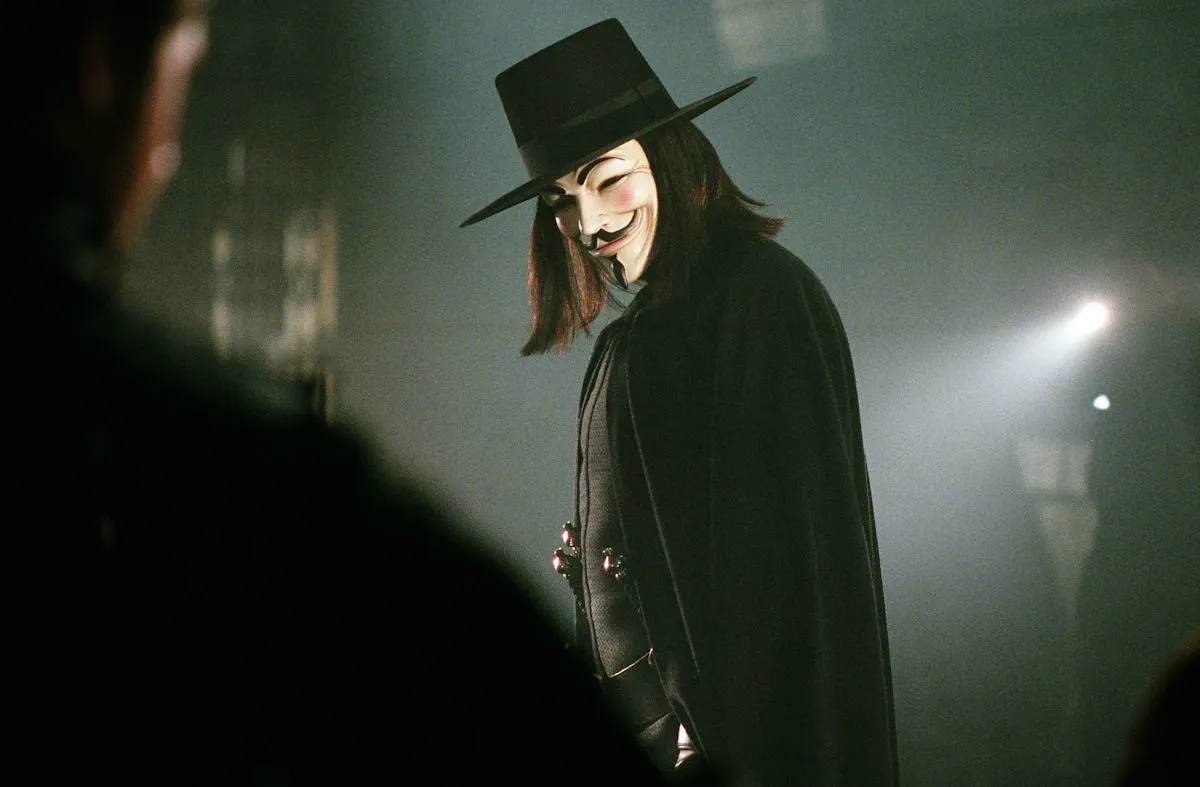
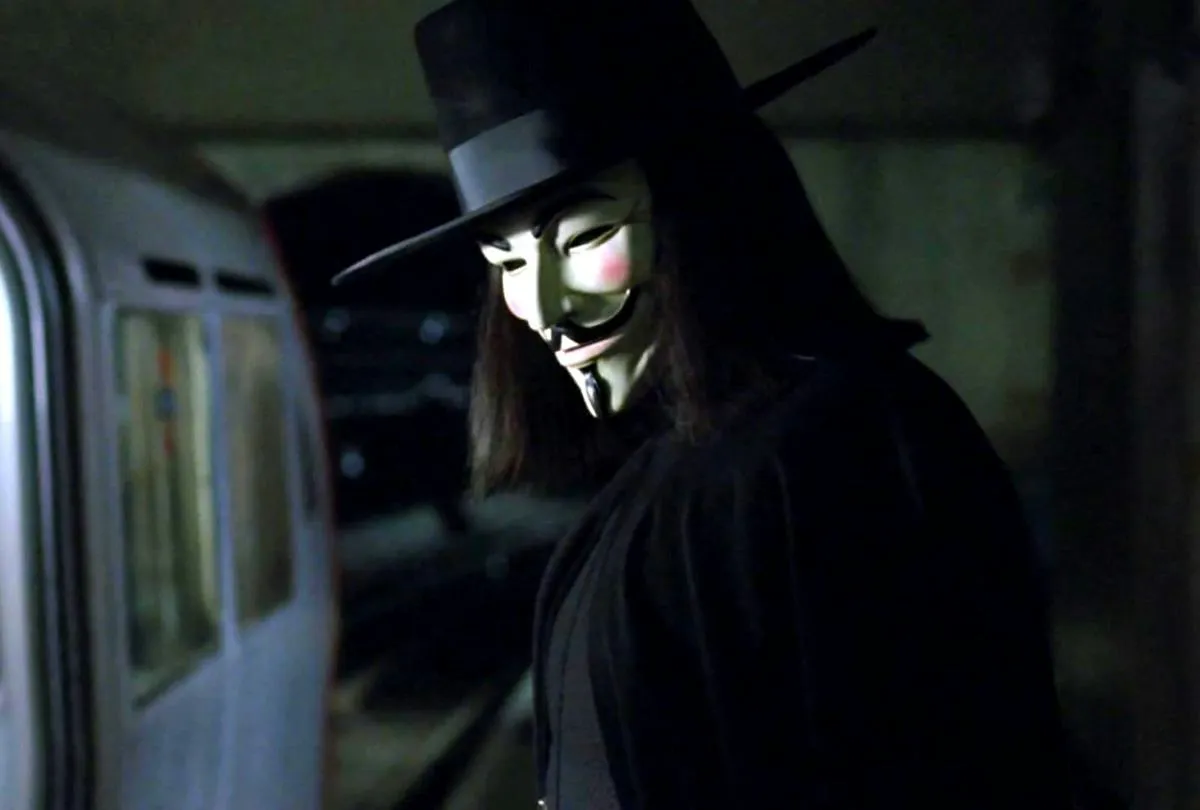
The graphic novel by Alan Moore and David Lloyd blended politics, religion, social sciences, and psychology into a single anti-hero narrative. McTeigue approached the adaptation not as a faithful transcript but as a translation of essence. Hugo Weaving’s V became something larger than the page. The film’s moral ambiguity survived studio scrutiny. The producers didn’t flinch when questioned about depicting terrorism in a post-9/11 world. That decision alone separates V for Vendetta from safer political thrillers that round off their edges.
McTeigue read the graphic novel sometime in the 1990s. It sat dormant until the Wachowskis approached him during their three-film deal with Warner Brothers. He’d been working as an assistant director on The Matrix. He told them he was done with that role. The perfect storm arrived. He took V for Vendetta and built a film that felt neither British nor entirely American. London’s aesthetic became a bridge between old cobblestone streets and new asphalt. The near-future setting prevented anyone from arguing the visuals didn’t match reality.
Moore publicly criticized League of Extraordinary Gentlemen and From Hell. McTeigue acknowledged those wounds shaped the author’s resistance. He noted that Moore’s ideology around adaptation runs complex and deep. Whatever the filmmakers chose, Moore likely would’ve disliked it. That didn’t stop the production. It sharpened it. The result became one of Moore’s most culturally resonant adaptations, even as his name stayed distant from the credits.
Two decades later, V for Vendetta screens on the anniversary of the very event it references. The political cycles continue. McTeigue still believes in the optimism of the ending. The film keeps proving why that optimism matters.