(SeaPRwire) – By: Logan Pierce
The home goods industry has long relied on premium pricing for small upgrades—until now. Under-$25 products like magnetic stovetop shelves and bamboo sliding trays are eating into market share once held by big brands. These items aren’t just cheap; they’re functional and stylish, filling gaps legacy companies ignored. Renters and budget-conscious homeowners no longer need to splurge to make their spaces nicer. This shift is forcing big retailers to rethink their pricing strategies.
Key products from the list include a 30-inch magnetic silicone stovetop shelf (heat-safe up to 446°F, three compartments with raised edges) and an ANBOXIT bamboo sliding tray (silent rubber wheels, three-layer construction). JHY DESIGN’s 2-pack cordless lanterns (6.7 inches tall, industrial metal cage design) add ambient light without cords. These items are sold directly on Amazon, cutting out middlemen to keep costs low.
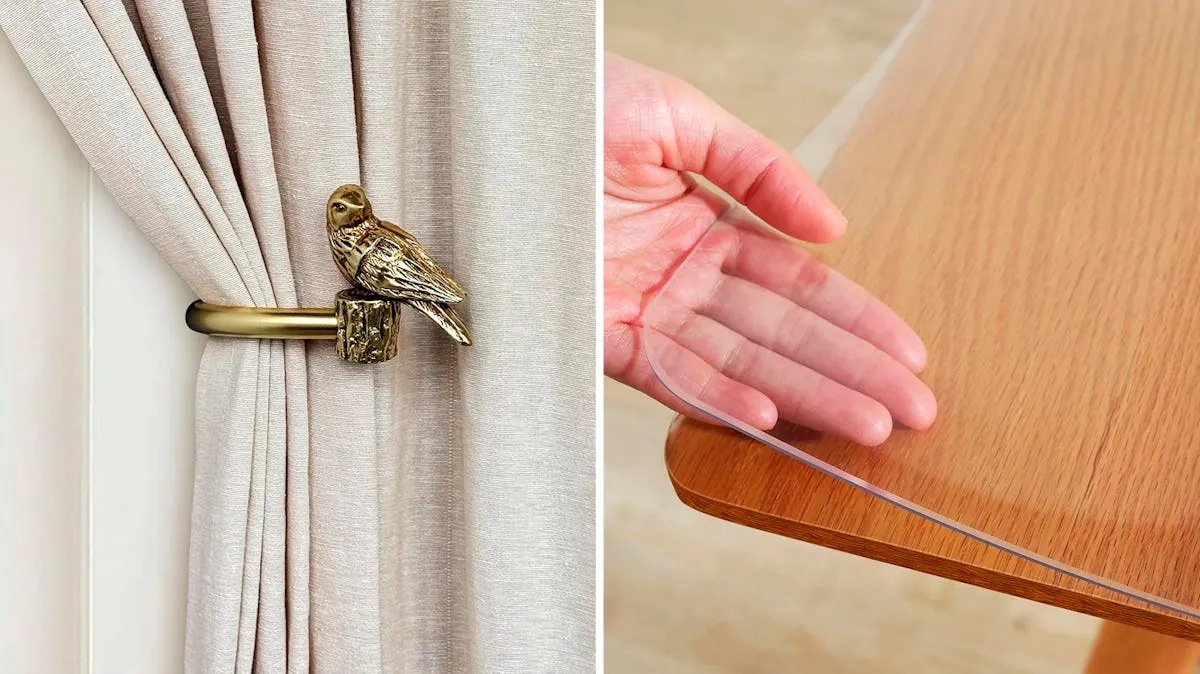
Other standouts: eormoe’s diatomite faucet mat (dries in one minute, grooved design for air flow) and WESTICK’s dark wood contact paper (waterproof vinyl, grid lines for easy cutting). ILAISIHOME’s gold bird curtain holdbacks (rust-resistant iron, mounting hardware included) elevate window treatments. These products solve specific pain points—like cluttered countertops or scratched tables—without breaking the bank.
Macro trends show these under-$25 items are part of a DTC revolution. Direct sales via Amazon let brands skip retail markup, passing savings to consumers. Big brands, used to 50%+ margins on similar products, can’t match these prices without slashing profits. This is pushing casual buyers away from department stores and toward online marketplaces for home upgrades.
Renters are a key demographic driving this trend. Products like ADD.HERES’ static cling stained glass film (no glue, easy removal) and FloorPops’ peel-and-stick tiles (8,000 five-star reviews) cater to those who can’t make permanent changes. These items offer flexibility and style, something legacy brands have failed to deliver at affordable prices.
Within 2 years, 30% of budget home goods sales will shift to DTC brands offering under-$25 multi-functional items, forcing legacy retailers to either downsize or partner with these nimble players.
Author bio: Logan Pierce, an independent business researcher and corporate governance writer focusing on consumer goods trends on Medium.