(SeaPRwire) – By: Lucas Caldwell
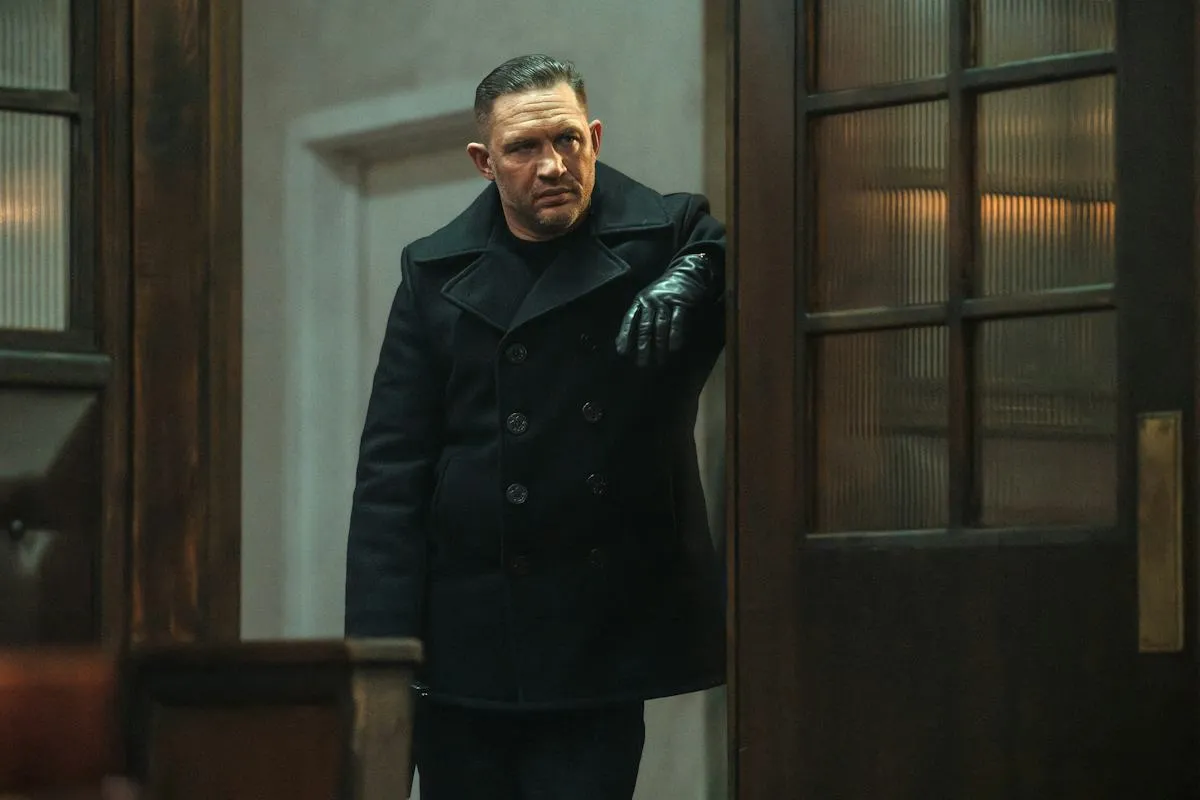
Here’s a take that will annoy the comic book crowd. Tom Hardy’s defining performance isn’t Venom. It isn’t Max Rockatansky, and it isn’t Bane mumbling through a mask. It’s Harry Da Souza, a stressed-out fixer for a fictional London crime family, on a Paramount+ show half the internet still hasn’t opened. MobLand arrived in 2025 as a refreshing jolt. Season 2, streaming now, hasn’t lost a beat. The discourse keeps circling Hardy’s franchise work while his sharpest role sits in plain sight, wearing a cheap suit and complaining about workplace pressure.
The setup is lean. The Harrigans run contemporary London’s underworld. Pierce Brosnan plays Conrad like King Lear gone feral. Helen Mirren plays Maeve as Lady Macbeth with no brakes. Both are totally unhinged, and the show knows it. Harry serves as their fixer, the man who cleans up the wreckage. In Season 1, Janet McTeer’s Kat McAllister offered him a exit route into a bigger international syndicate. He refused. Season 2 opens with the Harrigans paying for that loyalty, squeezed from outside and rotting from within.
Guy Ritchie produces. Jez Butterworth runs the writers’ room. That pairing explains the tone, a crime saga that swings between Shakespearean delusion and office-drone banality. The show’s best trick is reframing mob work as a terrible job. In the Season 2 premiere, Harry leans on a witness to retract a statement and mutters that he’s under a lot of pressure. He says it like a middle manager drowning in quarterly targets. That’s the engine of the whole series. Hardy’s frustration reads as deeply, recognizably human.
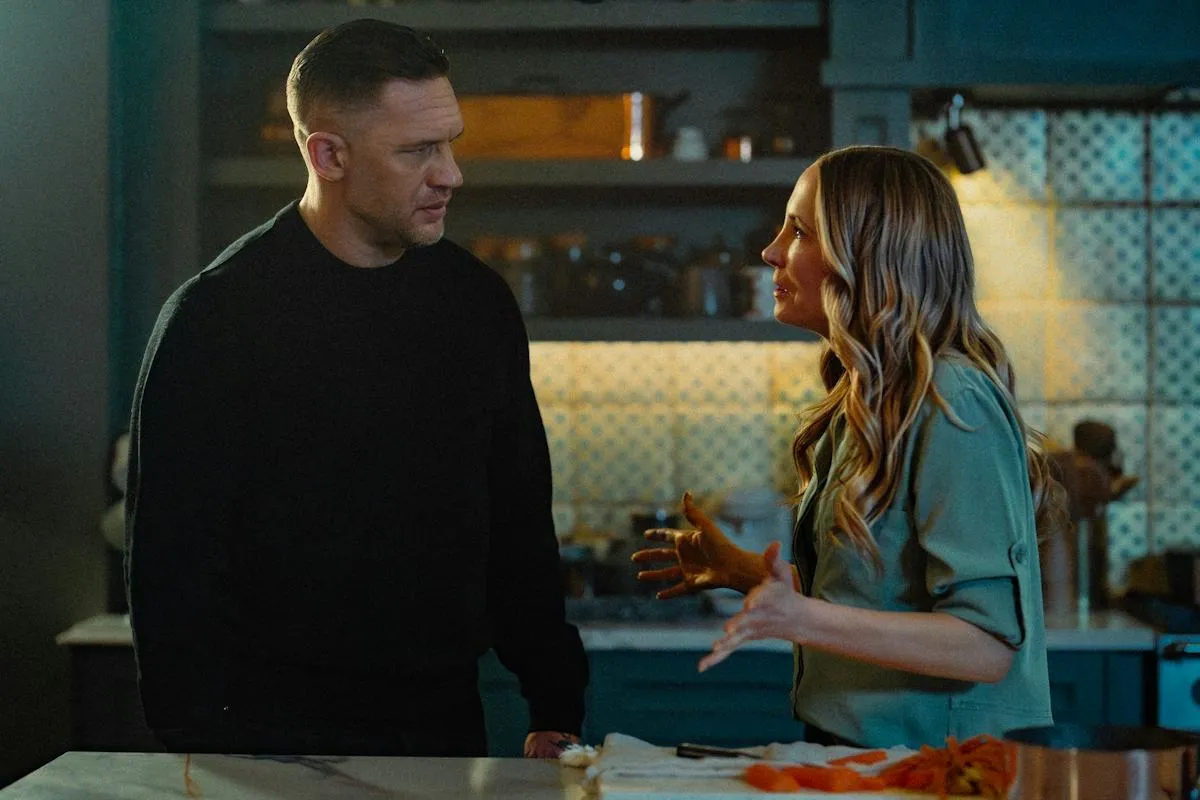
The marriage subplot sharpens this further. Joanne Froggatt plays Jan, Harry’s wife, who has begged him for couples counseling since the beginning. Season 2 grants her wish. It goes badly. Those scenes land as heartbreaking and hilarious at once, carried by quiet sadness from both actors. Brosnan and Mirren get to strut through an elevated, theatrical haze. Hardy and Froggatt supply the counterweight, the realism that keeps the show from floating off into camp. Without Conrad and Maeve’s lunacy, the stakes collapse. Without Harry’s orbit, the heart does.
The strategic read here is about franchise economics. Paramount+ doesn’t have a Marvel-scale content war chest. What it has is Hardy, committing to a character the way he committed to Venom’s split-brain comedy, minus the CGI budget. MobLand treats its star as a secret weapon, letting him be dangerous and likable in the same breath. That’s the exact formula studios spend hundreds of millions chasing in theatrical IP. Meanwhile, Butterworth built a world where winning is undefined. We root for Harry without knowing what victory even looks like. That ambiguity is the retention hook.
The bigger picture matters for the streaming wars. Prestige crime drama was supposed to be a tired genre, strip-mined by two decades of Sopranos imitators. MobLand’s answer was structural. It flipped the perspective, centering the only sane man in the asylum, a Paulie-grade lieutenant carrying the entire family’s weight. Add marriages treated with actual seriousness, a rarity in mob storytelling, and you get something addictive rather than derivative. New episodes drop Fridays. Season 2’s premiere works as a clean entry point for latecomers, no homework required.
Watch the franchise discourse keep ignoring this show right up until awards season forces it to pay attention.
Author bio: Lucas Caldwell, a tech and streaming opinion leader with millions of followers on X/Twitter, covering platform strategy, franchise economics, and the shifting economics of premium television.