By: Logan Pierce
(SeaPRwire) – Digger is not built to be liked, and the people selling it know that. Tom Cruise plays Digger Rockwell, an oil tycoon whose Arctic rig blows a hole in the ice and sends an iceberg the size of a small city toward Europe. He is loud, fat, and vain. He keeps a half-dead cat. A housemaid trails behind him, cleaning up the mess he leaves in his wake. The movie begins with a cheeky curtains-up shot of his bedroom window. Warner Bros. calls this satire. I call it something colder. No studio spends a fall release window on a film that insults its own audience unless the math already works. The anger is the product. The studio wants it counted as applause.
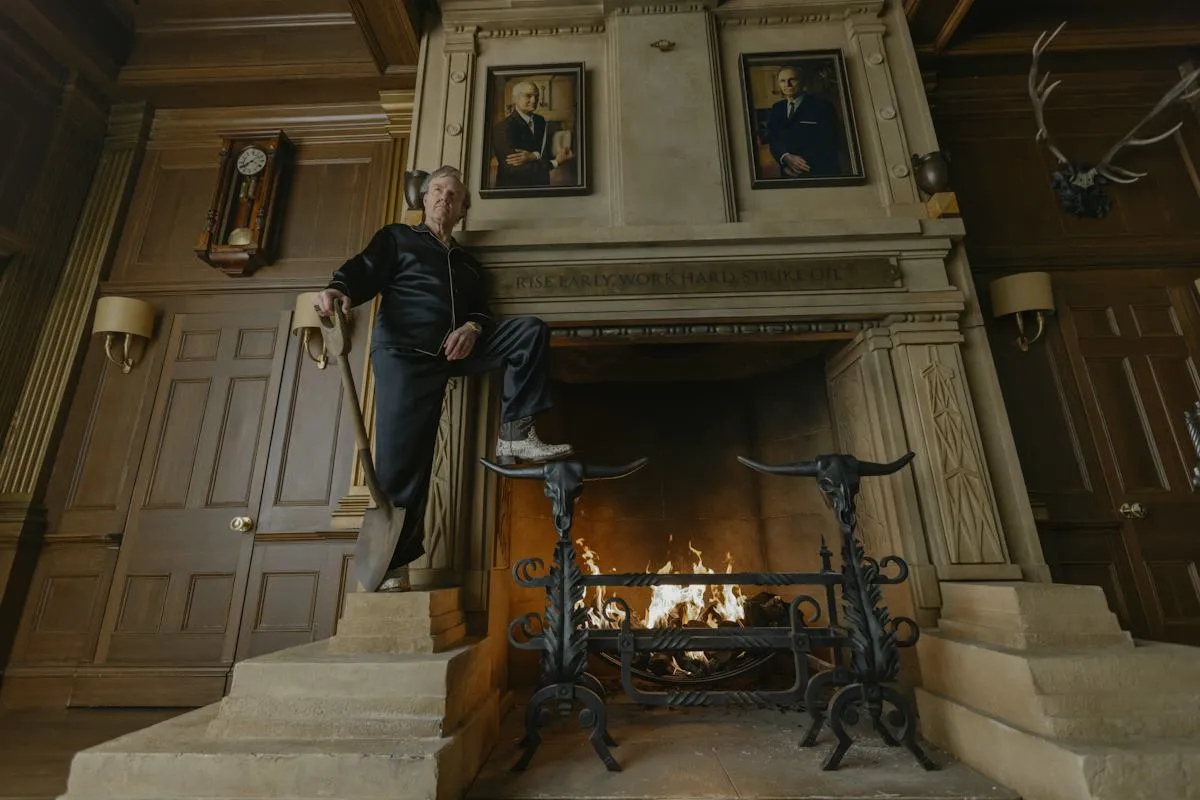
Alejandro Iñárritu directs and co-writes with Sabina Berman, Alexander Dinelaris Jr., and Nicolás Giacobone. The story is credited to Iñárritu, Berman, and Jez Butterworth. Five writers on one black comedy tells you a lot about the noise you are about to sit through. The film opens in theaters October 2. Emmanuel Lubezki shot it on 35mm VistaVision, a choice that makes the whole thing look washed out and artificial on purpose. Riz Ahmed plays Ganesh, head of environmental research and the only moral adult on screen. Sandra Hüller plays Digger’s tightly wound half-sister and business partner. John Goodman plays the President. Michael Stuhlbarg plays the Vice President. Robert John Burke plays a military man with a brick for a brain.
The metatextual reveal lands early in the first act. Cruise plays a second character. A whole company of actors turns out to be standing behind the curtain. That twist does give the film a floor to stand on. It admits the yelling was designed. Digger also delivers a greed-is-good monologue, the room boos him, and the film treats the boos as a punchline. Cruise reaches back for the smarmy charm he had in Jerry Maguire. It clashes with a script that cannot decide whether Digger owns a soul. The drab colors are intentional too. Intention is not the same thing as quality. The first half plays as an endurance test. The second half hands you a receipt for the endurance.
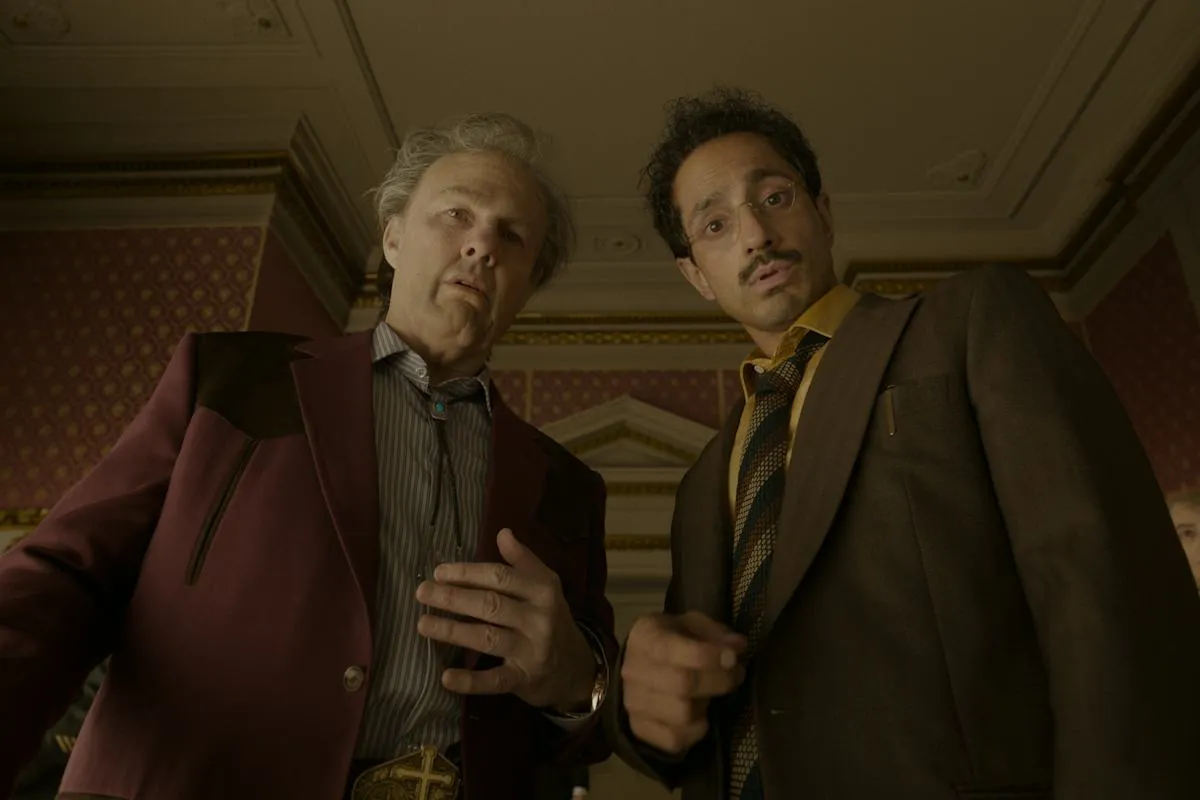
The commercial logic here is older than the joke. Prestige provocation is a dependable fall product. It lands in October, it generates think pieces, and it gives a movie star a shot at being taken seriously. Cruise has spent a decade as a delivery vehicle for stunts and global spectacle. Playing a man the audience is invited to despise is a hedge, not a risk. If the film lands, he gains a different kind of credit. Should it sink, he has burned a release window and nothing more. Whatever this movie wants to say about late-stage capitalism gets kneecapped by its own hesitation. Ahmed gets the only humane scenes, and that is the part that resets a career.
Watch what the rest of the cast signed on for. Hüller, Goodman, and Stuhlbarg are handed archetypes and a paycheck. That is not an insult. Working actors take the check and move on. The agents are the ones doing real math this week. They are asking whether a credit like this converts into casting leverage or just reads as one strange line on a resume. The studios, meanwhile, will read the opening weekend and learn the wrong lesson. Their takeaway will be that paying customers want more shouting. They will greenlight the next angry movie on that basis, then act surprised when the seats stay empty.
By next fall, some studio will fund another climate satire that hands the audience a mirror instead of a joke, and it will open softer than this one, because contempt is a genre with a hard ceiling.
Author bio: Logan Pierce is an independent business researcher and corporate governance writer on Medium, tracking how studios, talent agencies, and private capital price creative risk before the cameras roll.