(SeaPRwire) – By: Christian Pierce
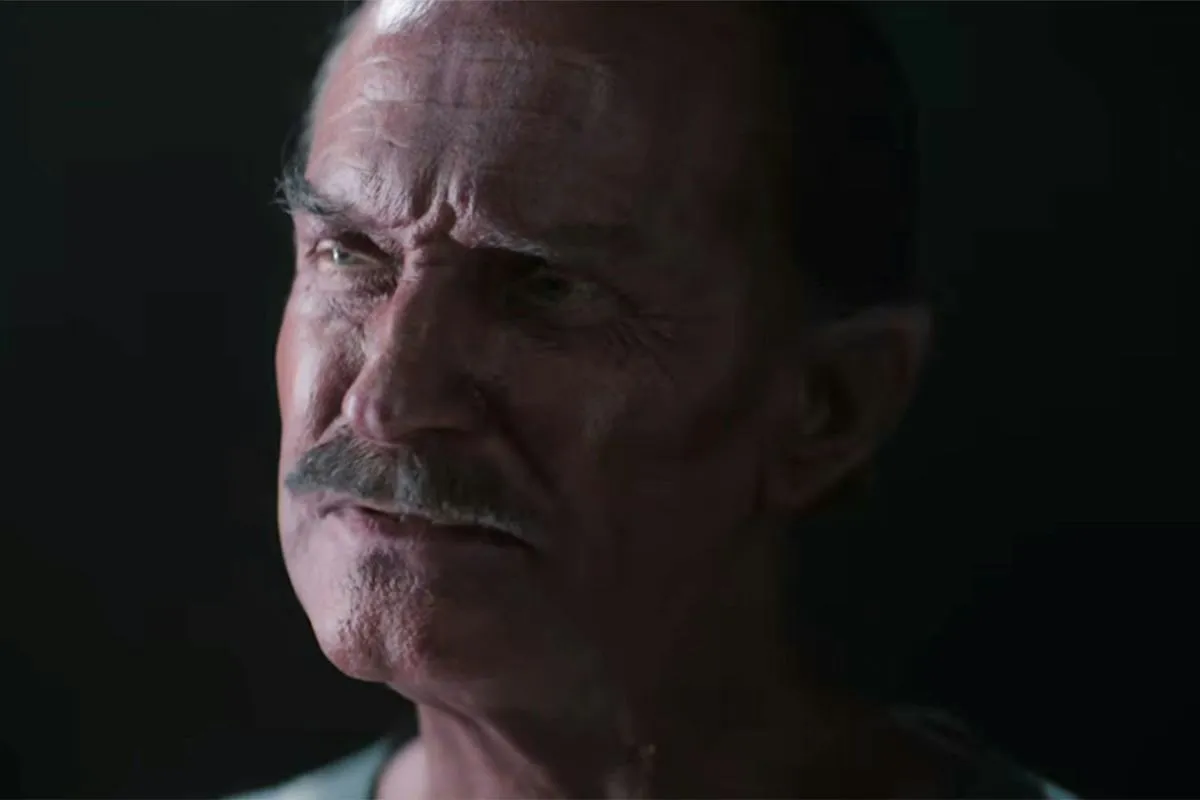
The smartest thing HBO’s Lanterns has done so far is refuse to treat Sinestro like a supervillain. Episode 7 makes this clear in a way that should worry anyone who assumed this show was a simple murder mystery in space cop clothing. Ulrich Thomsen’s Sinestro, introduced at the end of Episode 2, has been pulling strings all season. Now he is loose. And the episode quietly delivers what may be the franchise’s most consequential location drop: a barren, poisoned world that reads an awful lot like Qward, the antimatter birthplace of the first yellow power ring. The anxiety here is real for DC watchers. Warner Bros. has burned decades of goodwill on franchise mismanagement, and a Green Lantern property finally landing with critics is a fragile asset. One wrong lore decision and the fandom turns. But this does not look like a wrong decision. It looks like a deliberate, patient rewrite of canon that trades comic-book abstraction for something meaner and more grounded. The fear on that planet is not a metaphor. It is literally in the air, a chemical residue from a massacre. That is a far more interesting origin for a fear-powered weapon than a magical forge.
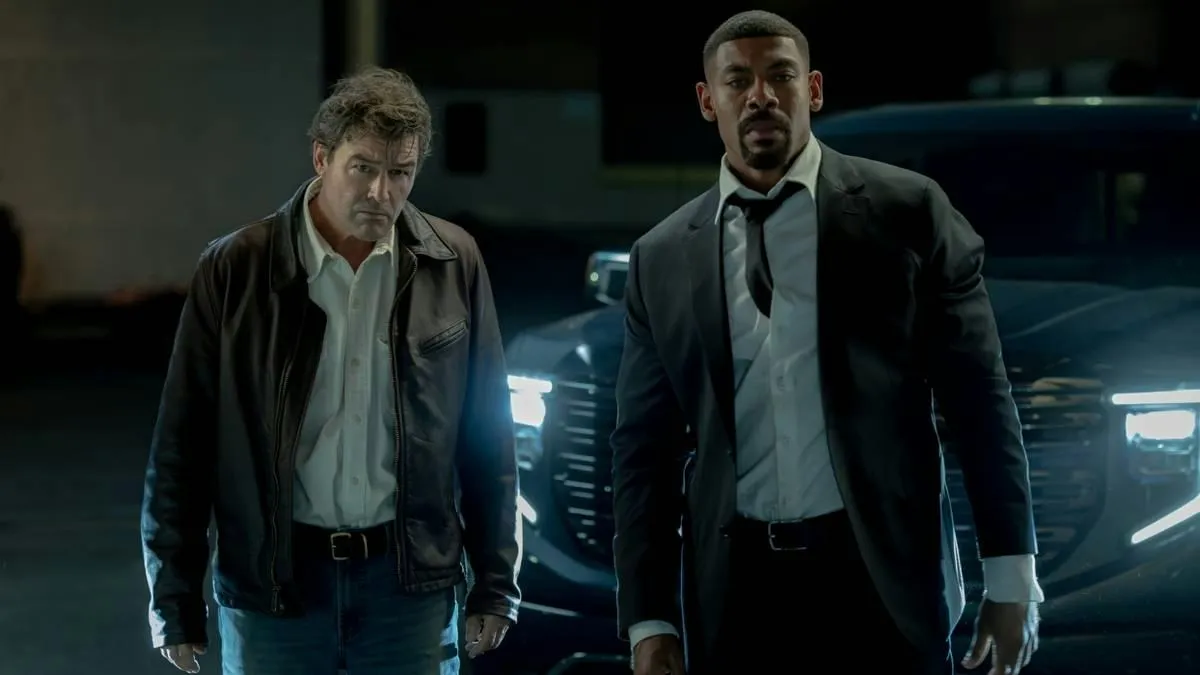
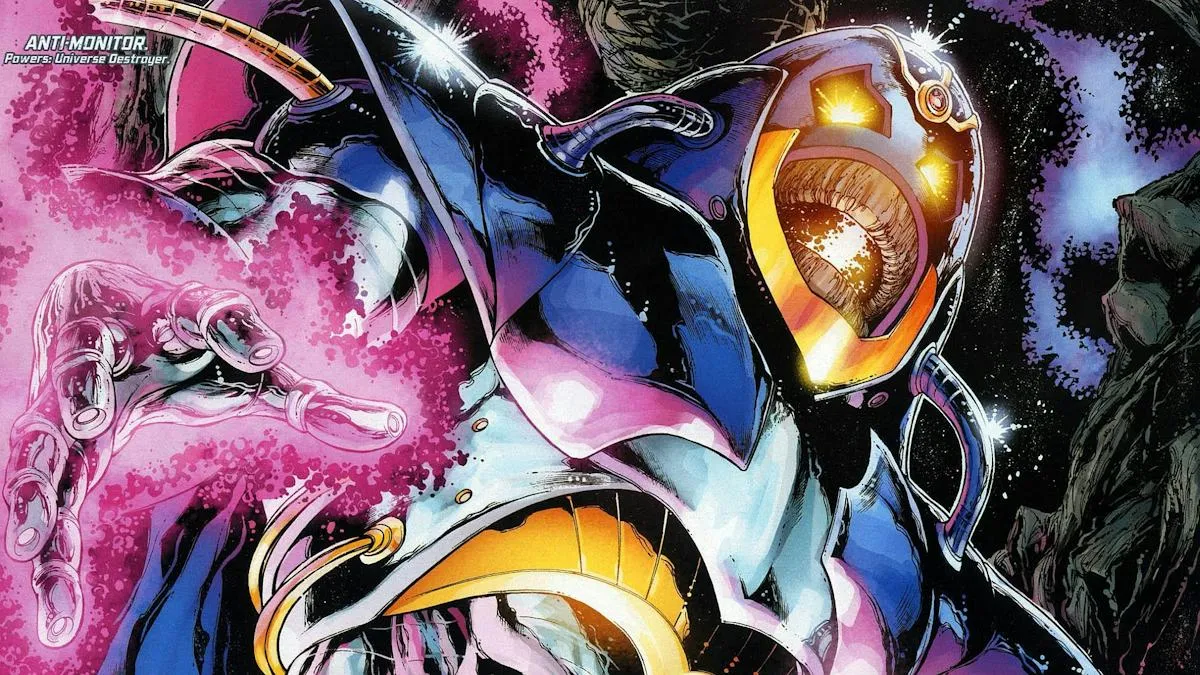
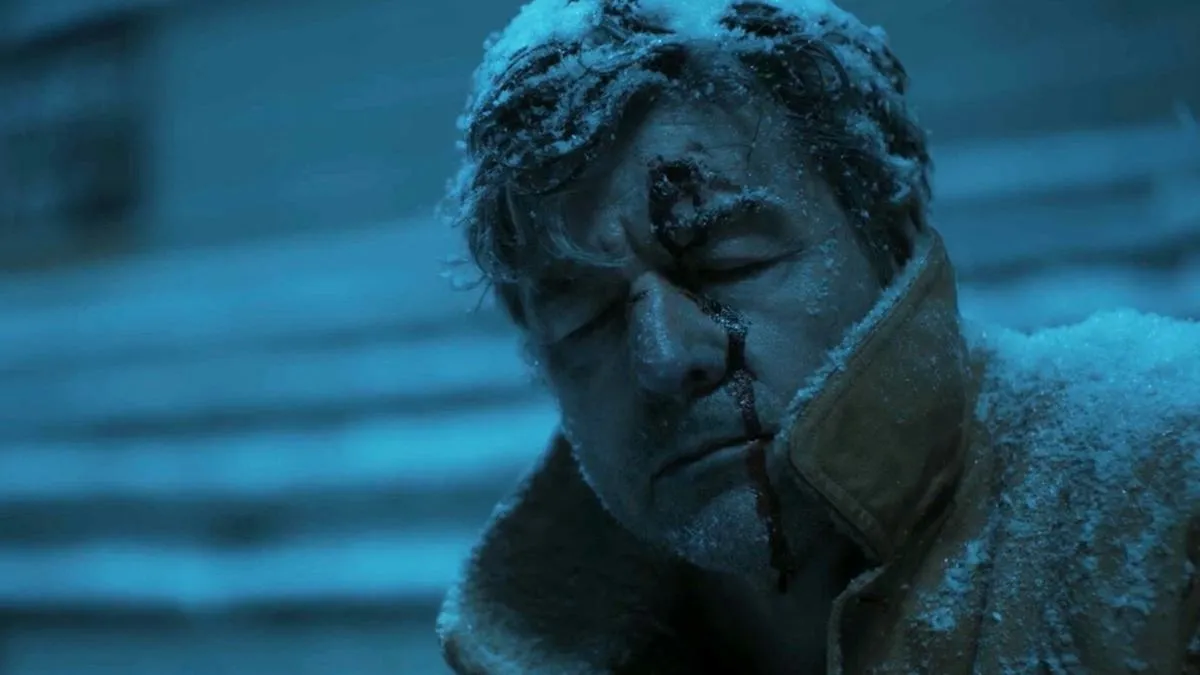
Here are the facts as the source material and the episode lay them out. In DC canon, Qward exists in an antimatter universe born from the Maltusian Krona’s botched experiment to witness creation. It is home to the Anti-Monitor, the engine of 1985’s Crisis on Infinite Earths, and to the Weaponers of Qward, a splinter sect of the Thunderers who became legendary secret armsmiths. Sinestro, imprisoned on Qward for his tyranny over Korugar, struck a pact with those Weaponers, and they forged the first yellow ring, a mirror of Hal Jordan’s own, powered by fear instead of will. Episode 7 of Lanterns takes John Stewart to the home of the now-deceased aliens who hunted the Manhunters. The planet is a wasteland. A chemical compound once induced pandemonium and terror in its population, and John suffers his own panic attack confirming the stuff still lingers in the atmosphere. Sinestro happens to be present while this same world is investigated for ties to Hal Jordan’s murder, a mystery that already widened when a portal to another planet turned up in Hal’s storage locker. None of that is coincidence, and the show knows it.
So what is the actual endgame here? Treat this like any long-horizon content business decision. HBO is not buying sixty years of Green Lantern continuity to photocopy it. It is compressing the mythology into a mechanism that works on television: a traumatized world whose poisoned clouds become the raw material for Sinestro’s weapon. The Hannibal Lecter framing fits perfectly, an insidious manipulator playing the long game, building the instrument of his rivals’ destruction while they investigate him. Commercially, this is the right call. Grounded dread outperforms cosmic spectacle with general audiences, and it leaves the door open for the bigger toys, Parallax, the Sinestro Corps, even the Anti-Monitor, to arrive later as escalation rather than exposition. The practical read for viewers: stop waiting for a faithful Qward reveal and start tracking what that fear compound does to John, because the show has already told us the ring’s power source is environmental, and the first person it corrupts may not be Sinestro at all.
Author bio: Christian Pierce is a chief financial columnist and markets commentator who covers the entertainment industry’s franchise economics, streaming strategy, and the commercial logic behind prestige genre television.