

(SeaPRwire) – By: Ethan Gallagher
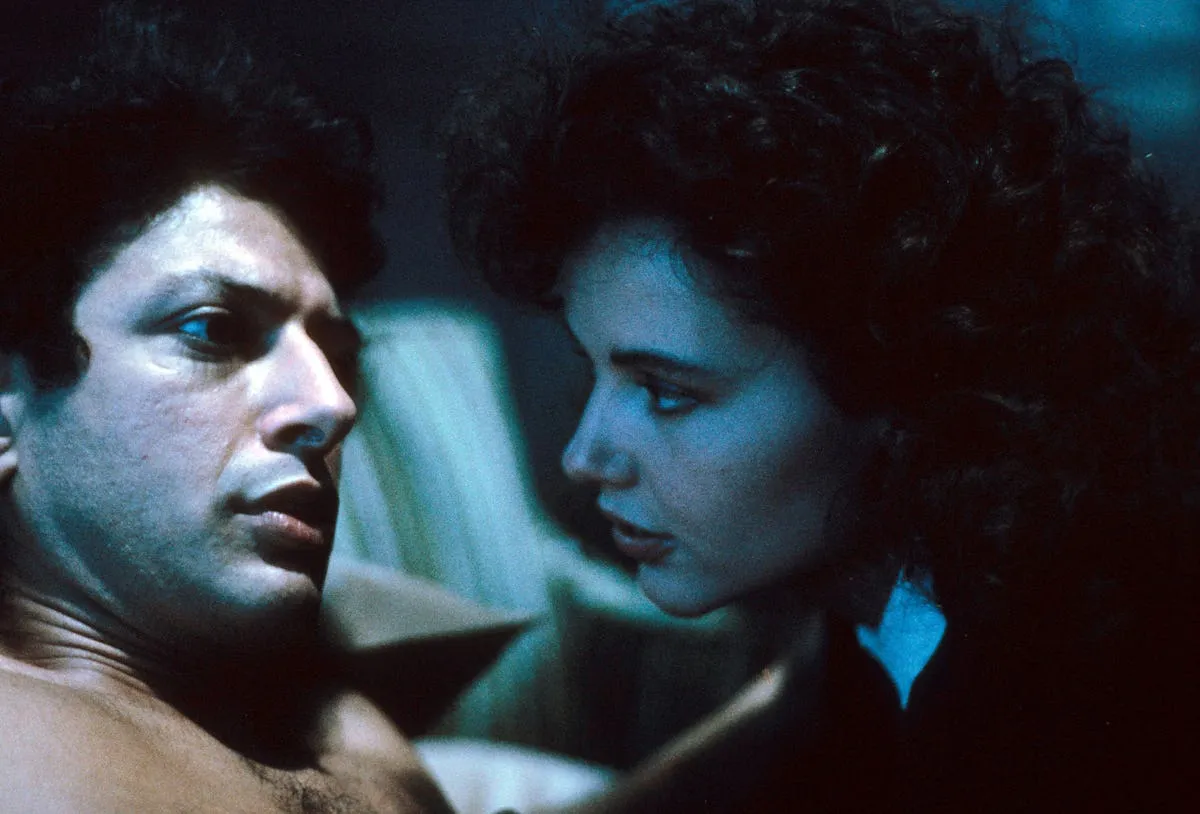
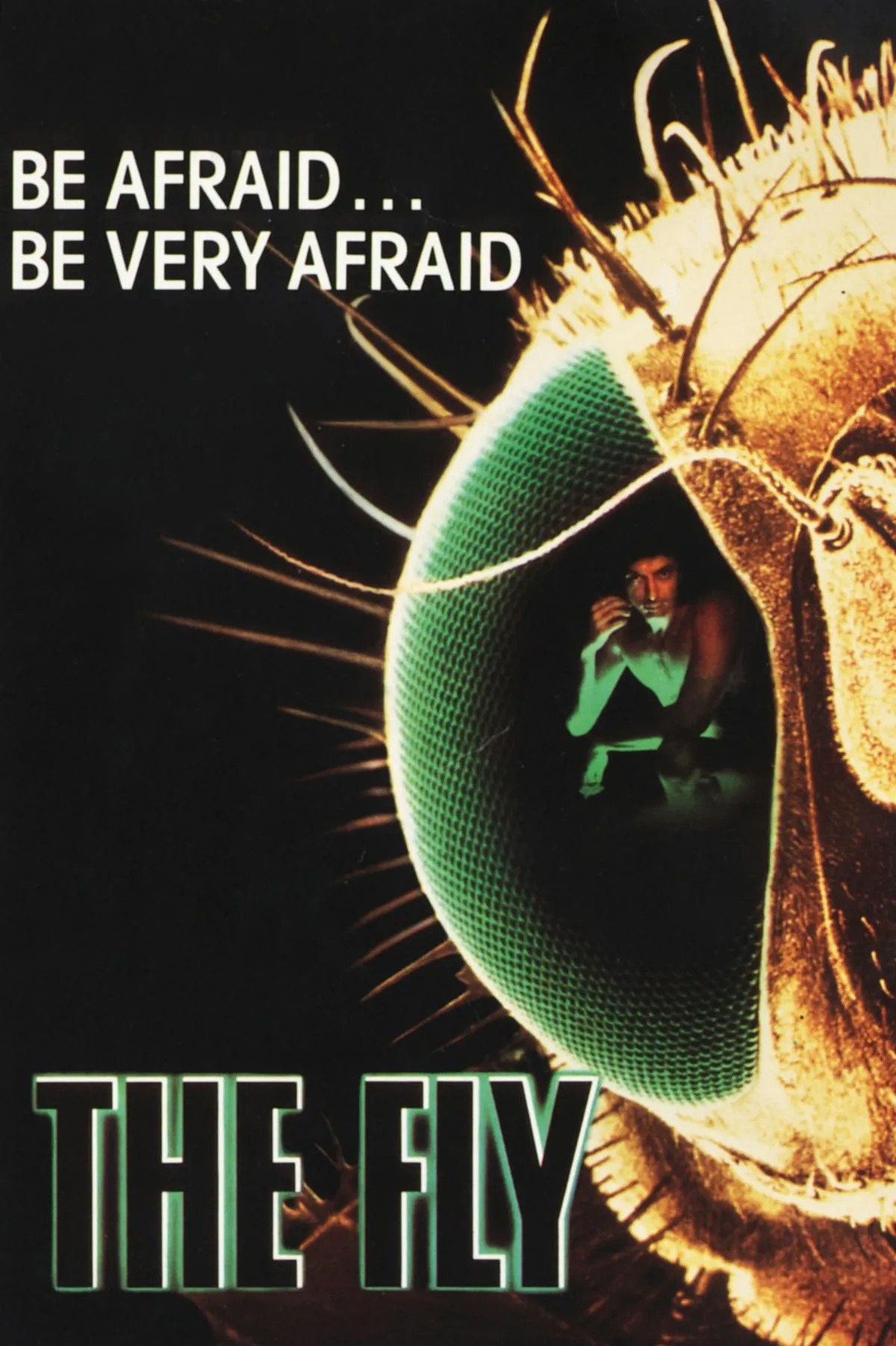
The visual effects industry has a persistent and uncomfortable habit of forgetting its own lineage. Every technology keynote and conference panel follows the same sanitized narrative arc. Digital pipelines replaced manual craft. The old ways were primitive, limited, and emotionally flat. The new ways are inevitable, superior, and democratizing. That story is comfortable for people selling software licenses and GPU clusters. It is also fundamentally wrong. Chris Walas won an Academy Award for The Fly transformation sequence forty years ago. He described himself in a recent interview bluntly as a “rubber monster maker.” That single phrase should sit uncomfortably in every algorithmic VFX startup boardroom. Walas built the Brundle fly sequence with articulated puppets, cables, rods, and specialized insert parts. He did not write code to simulate insect biomechanics in a physics engine. He physically sculpted them. The modern industry treats practical effects work as historical footnote material for retro documentaries. That is a category error of the highest professional order. Those puppets carried emotional weight that procedural generation still cannot authentically replicate. David Cronenberg’s film remains devastating in its impact forty years later. Walas himself admitted he was astonished at how much emotional resonance it still holds. The technology behind that resonance has been deliberately forgotten by the industry.
The press release outlines production details that most retrospective coverage conveniently buries or glosses over. Walas initially declined the project outright when first approached by the producers. Everyone in the special effects business was making remakes at that moment. Producer Stuart Cornfeld pushed him to at least read the screenplay. That single read changed everything about his professional commitment. Walas recognized immediately that it was not a standard science fiction horror picture. He called it a Shakespearean tragedy wearing science fiction clothes. That recognition triggered his full commitment to the work. Then came the structural problem that defined the entire production experience. He told the producers he needed six months for a project of that conceptual scope. They offered him three months. Canadian Film Board financial incentives created the timeline bottleneck. Productions needed a certain number of Canadian crew members on active payroll. They also had to begin filming at least two weeks before the fiscal year ended. The project had waited too long without a major star or effects house attached to the production. The entire timeline collapsed into an impossible production sprint. His previous collaboration with Cronenberg on Scanners had been straightforward gore effects by comparison. Walas described Scanners as basically gore effects that were very straightforward to execute. The Fly required entirely new conceptual architecture from the ground up. He had to break down Seth Brundle’s progressive decay into exact stages with precise visual boundaries.
The hidden production truth beneath the official retrospective narrative is far more instructive than the timeline conflict alone. Walas operated two fabrication shops simultaneously across roughly 2,500 miles of coastline. His main puppet and prosthetics crew worked out of a shop in California. He stayed embedded on set in Toronto handling early gags and physical breakdown sequences. Weekend flights back to California became a grueling biweekly routine. He was literally flying home a couple of times per week just to get into the shop for a day. The California shop would complete puppet components to approximately 90 percent of their cosmetic finish. They shipped those partially completed components to Toronto. Walas then completed the final finishing work in a small on-site shop. He openly admitted to Inverse that that was not how production should function. It was the only way the compressed schedule allowed the work to proceed. David Cronenberg personally refused a simple suit actor for the final Brundle fly transformation. He demanded something impossible to imagine as a human being in any form. That artistic boundary forced the extreme articulation breakthrough in puppet design. On set, the production baboon developed an unexpected and dangerous attachment to script supervisor Gillian Richardson. She and Walas had both previously worked with Cronenberg on separate projects. Richardson had worked on Videodrome and The Dead Zone in 1983. Walas had worked on Scanners in 1981. They met through this production’s demanding circumstances. The crew recognized the professional attraction before either of them acknowledged it personally.
Practical effects did not lose to digital technology because digital technology was inherently superior or more expressive. They lost because digital deliverables were easier to sell to studio executives who read pitch decks instead of watching raw dailies in a screening room. Walas spent months mapping transformation stages with obsessive granularity that no modern pipeline can structurally replicate. He determined where each makeup stage begins and where it ends on screen. He decided whether each hairpiece variation deserved its own dedicated physical build. That level of planning specificity has no automated shortcut in any contemporary digital pipeline. Every VFX vendor currently selling production pipeline acceleration should study his workflow before pitching clients. The supply chain for physical effects work did not collapse from technological inferiority. It collapsed because economic patience ran out faster than craftsmanship could scale commercially. The Brundle fly puppet still outperforms most modern creature animation work in emotional authenticity and on-screen presence. Nobody in the visual effects industry references that work anymore during technical discussions. The Academy Award sits somewhere in a glass display case. The methodology that earned it has been replaced by render farms and generative AI diffusion models. The craft was never obsolete. The business model surrounding it simply stopped paying enough to sustain it.
Author bio: Ethan Gallagher, a Silicon Valley Hardware Architect and Infrastructure Strategist with deep expertise in production pipeline engineering and physical-to-digital asset chain transitions.