
(SeaPRwire) – By: Logan Pierce
The Marvel Cinematic Universe is no longer constructing a narrative saga. It is executing a hostile takeover of its own legacy assets. This trailer represents a desperate consolidation of disparate intellectual properties. They are forcibly merging the X-Men and Fantastic Four ledgers into the main operating account. The “Doomsday” branding is not merely a plot point. It signals the definitive end of the organic growth phase. We are witnessing a corporate merger disguised as a comic book crossover event. The studio is betting its entire market cap on brand recognition. They hope that accumulated nostalgia can offset the severe fatigue of a saturated market. This is a high-stakes gamble to retain global market share against streaming rivals.
The marketing campaign began with a bizarre six-hour endurance test. Names were revealed on chairs like a slow-loading asset manifest. The cast list functions as a who’s who of acquired intellectual property. Patrick Stewart and Ian McKellen are back on the payroll. Kelsey Grammer and Alan Cumming join the active roster. The trailer opens on an abandoned Xavier’s School. It sets a visual tone of industrial decay. A voice with a light European accent speaks over the ruins. It is likely Robert Downey Jr. reprising a role as Doom. He warns of an unthinkable decision facing the heroes. The visual language suggests a universe that has already failed its stress test.
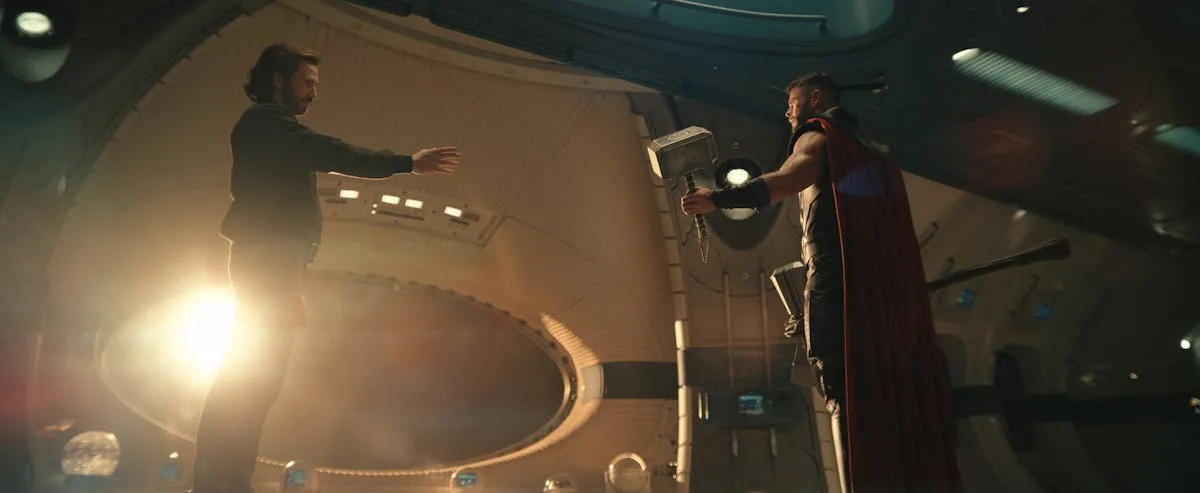
The runtime is exactly 145 seconds of rapid-fire inventory auditing. The Thunderbolts assemble in the iconic Avengers Tower. The Fantastic Four stand alongside Sam Wilson’s Captain America. Thor and Ant-Man are present to bridge the gap. We see James Marsden’s Cyclops unleashing optic blasts. Channing Tatum’s Gambit fights Shang-Chi in a team-up. Yelena Belova battles a shapeshifting Mystique. Thor gives a speech about sacrifice and unity. He demands they stand together against a superior threat. The trailer ends with a classic summoning effect. Steve Rogers returns to wield Mjolnir once again. This confirms the rumors teased in last year’s cryptic footage.
Bringing back Steve Rogers is a strategic liquidity injection. The franchise is currently suffering from a severe goodwill deficit. They are leveraging the original capital to stabilize the stock price. It is a classic corporate restructuring strategy found in failing conglomerates. Use the vintage assets to guarantee the new loans. The audience is being asked to reinvest in the legacy product. Thor mentions enemies that scared him less in the past. This is an admission of diminishing returns on previous villains. The antagonists of Phase Four were not enough to move the needle. They need an existential crisis to justify the massive production expense. The return of Rogers is a safety net. It ensures that if the new IP fails, the old IP saves the opening weekend.
The dialogue about petty squabbles is remarkably telling. It mirrors the complex production realities of such a massive shoot. Merging these franchises creates significant narrative debt and continuity errors. The “unthinkable decision” is likely a metaphor for budget cuts or character exits. The December 18 release date targets the holiday liquidity window aggressively. They need a massive Q4 win to please shareholders. The trailer sells conflict as a premium feature rather than a bug. It is not just a story; it is a portfolio rebalancing. They are trading character depth for the breadth of IP coverage. The goal is density of content, not quality of narrative.
This cinematic merger will either rescue the quarterly earnings or accelerate the inevitable franchise insolvency.
Author bio: Logan Pierce is an independent business researcher and corporate governance writer on Medium who specializes in analyzing the financial structures of major media conglomerates and franchise economics.