
(SeaPRwire) – By: Oliver Hawthorne, a Principal Correspondent permanently stationed at an international technology review
Entertainment conglomerates rarely discover a cash cow and simply let it graze in peace; instead, they milk the beast until the bones crack, weaponizing nostalgia and forced narrative extensions to keep ticket sales artificially inflated. While the literary world usually functions on a clean timeline where books precede cinematic glory, modern studio economics prefer a circular loop where source material is hastily manufactured specifically to feed upcoming movie adaptations. This calculated feedback loop turns cultural touchstones into infinite-yield franchises, perfectly illustrated by the trajectory of the dystopian universe that defined the young adult market a decade ago.
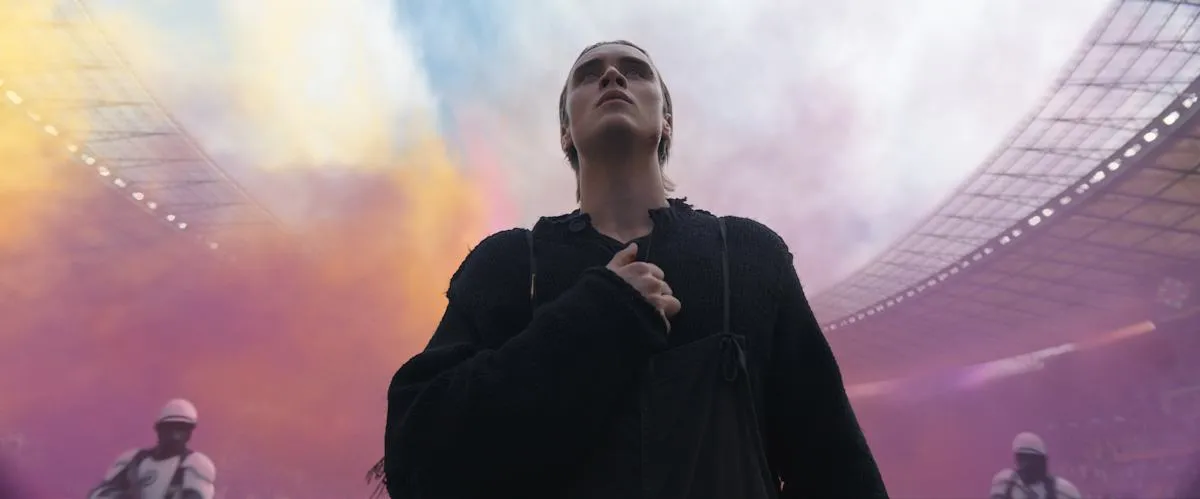
The upcoming cinematic release shifts focus to the 50th Hunger Games, capturing the formative years of Haymitch Abernathy during a brutal Quarter Quell that demands double the tribute body count from every single District. Moving backward in time introduces younger iterations of recognizable figures like Effie Trinket, Caesar Flickerman, Wiress, Plutarch Heavensbee, and President Snow, grounding the prequel firmly in familiar institutional corruption. A central focal point of the promotional footage features a devastating Tribute Parade accident where a district tribute named Louella perishes in Haymitch’s arms, prompting an immediate act of open defiance that involves placing her body directly in front of the president. Rather than acknowledging real human tragedy, the state machinery instantly replaces the fallen teenager with a compliant body double called Lou Lou, laying bare the ruthless narrative control exercised by the game makers.
Hollywood will continue exploiting this dystopian universe for as long as audiences trade cash for manufactured despair, ensuring that the machinery of spectacle never breaks down. When corporate entities realize that human suffering translates cleanly into quarter-end box office spikes, every prequel becomes an inevitable corporate mandate designed to extend a dying intellectual property. As the Capitol’s premier media personalities cheerfully remind us to look alive while we still can, the real trick is realizing that the audience was always trapped in the arena too.
Author bio: Oliver Hawthorne, a Principal Correspondent permanently stationed at an international technology review, focuses on the intersection of digital media monopolies, cultural economics, and modern entertainment conglomerates.