
(SeaPRwire) – By: Lucas Caldwell
Hollywood runs on legacy code these days. They iterate, they patch, they rarely rewrite the kernel. We see endless cinematic universes. They are safe. They are boring. Forty years ago, a different logic prevailed. James Cameron didn’t just make a sequel. He forked the repository. He took a horror file and compiled it as an action epic. That kind of pivot is extinct now. Studios prefer brand safety over creative disruption. The result is a stagnant market of identical products. We are stuck in a loop of diminishing returns. The innovation pipeline is clogged with safe bets.
Look at the raw data from 1986. Cameron walked into 20th Century Fox with a bold pitch. He wrote “Alien” on a page. He added an “S”. He struck two lines through it. It became “Alien$”. This wasn’t just a joke. It was a commercial thesis. But the path wasn’t instant. Fox hesitated. Cameron only had *Piranha II* on his resume then. It took years. The studio only moved after *The Terminator* hit in 1984. That success bought him the leverage. It proved he could handle the budget. The dollar sign was the promise.
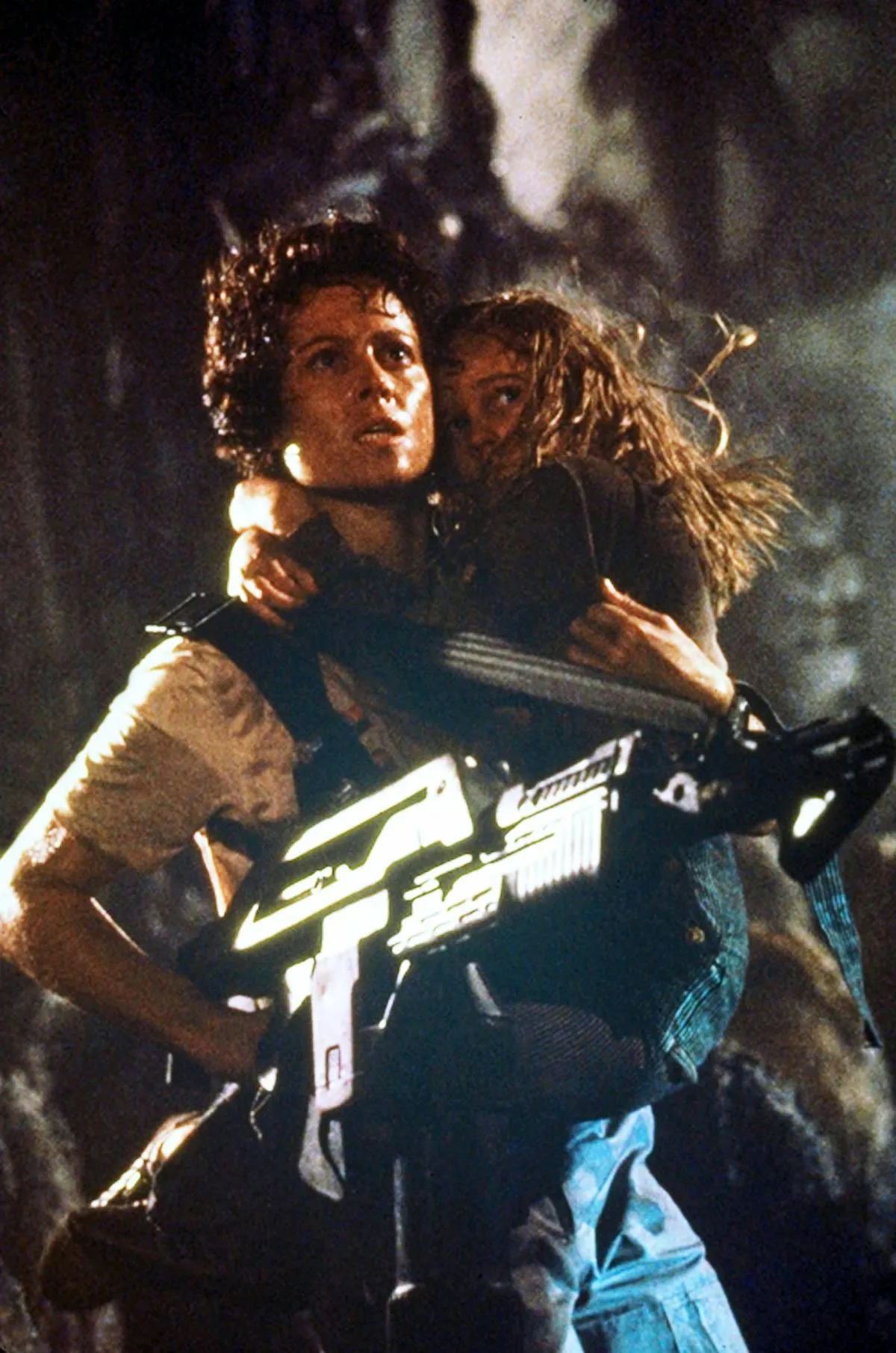
The original film landed in 1979. Ridley Scott built a haunted house in space. It was pure horror. It relied on H.R. Giger’s designs and Dan O’Bannon’s script. Seven years later, Cameron returned. He didn’t copy the source material. He reframed it. Ripley wakes up from cryosleep. She faces the Weyland-Yutani corporation. She leads space marines. The guns were blazing. It was a military thriller. It felt distinct. It felt like the 1980s. The tonal shift was absolute. It was a complete system overhaul. The architecture was redesigned from the ground up.
This strategy defies modern franchise logic. Today, sequels must match the tone of the original. They are focus-grouped into oblivion. Cameron ignored that rule. He built a new genre on top of existing IP. He also introduced strong anti-authoritarian themes. He created iconic female heroes. Think Ripley. Think Sarah Connor. These characters defined a decade. They took risks that modern executives would likely kill in the drafting phase. They would fear the backlash. The culture has shifted.
The franchise history proves the value of variance. Different directors brought different visions. Some failed. Some succeeded. But the universe felt expansive. It felt alive. Current studios hate this variance. They want unified branding. They want a consistent visual language. Fox gave Cameron free rein. They let him break the mold. That decision created a masterpiece. It set a standard that recent entries like *Alien: Romulus* try to recapture. But they are just imitating the innovation. They are running on emulation.
Until studios stop protecting their IP and start letting directors break it again, we will never see another sequel this good.
Author bio: Lucas Caldwell, a tech opinion leader with millions of followers on X/Twitter.