



(SeaPRwire) – By: Ethan Gallagher
Stop-motion animation remains an anachronistic stubbornness in an industry drowning in automated pipelines and algorithmic rendering. Independent studio LAIKA continues to weaponize this friction, sinking five agonizing years into their latest fantasy epic, *Wildwood*. While major studios outsource their emotional arcs to server farms, director Travis Knight and his team still rely on physical resin masks, chicken wire, and manual lighting rigs to construct a tactile universe. This high-tech, low-tech hybrid approach sounds charmingly romantic until you look closer at the sheer manufacturing nightmare required to pull it off.
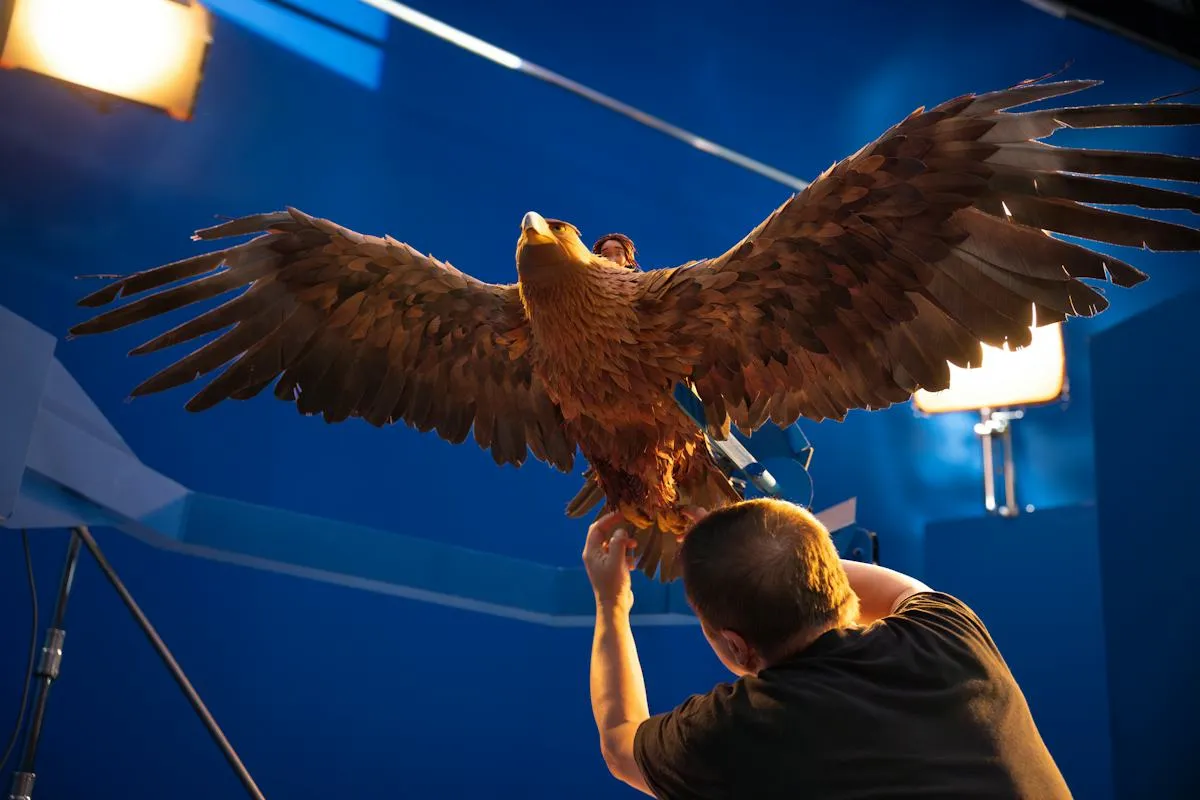
At first glance, LAIKA’s Portland studio tour reads like a masterclass in traditional craftsmanship. Animators meticulously arrange miniature streets, medieval halls carved into oak roots, crumbling French châteaux, and debris-strewn battlefields with their own hands. The production designer Nelson Lowry openly embraces the raw juxtaposition of cutting-edge visuals sitting right next to chicken wire. Yet this rustic exterior masks a relentless engineering engine. Beneath the handmade aesthetic lies a heavy reliance on industrial-grade additive manufacturing, evolving the 3D-printed replacement face technology they first pioneered on *Coraline* back in 2009.
The technical reality behind *Wildwood* shatters the cozy stop-motion mythos. Visual effects artist Brian McLean and his crew abandoned the old-school method of reusing expression kits or recycling phoneme shapes for dialogue. For this production, every single shot features bespoke facial animation. A single second of screen time requires twenty-four unique resin masks, mapped down to individual muscle movements. Characters no longer compromise their emotional arcs by recycling smiles from earlier reels because the studio built a dedicated digital and physical pipeline capable of churning out thousands of entirely custom facial structures.
Stop-motion is dead as a commercial volume play, and artisanal studios like LAIKA survive purely by treating manual puppet fabrication like high-end precision hardware engineering.
Author bio: Ethan Gallagher, a Silicon Valley Hardware Architect and Infrastructure Strategist specializing in advanced manufacturing supply chains and physical-digital integration bottlenecks.