(SeaPRwire) – By: Oliver Hawthorne
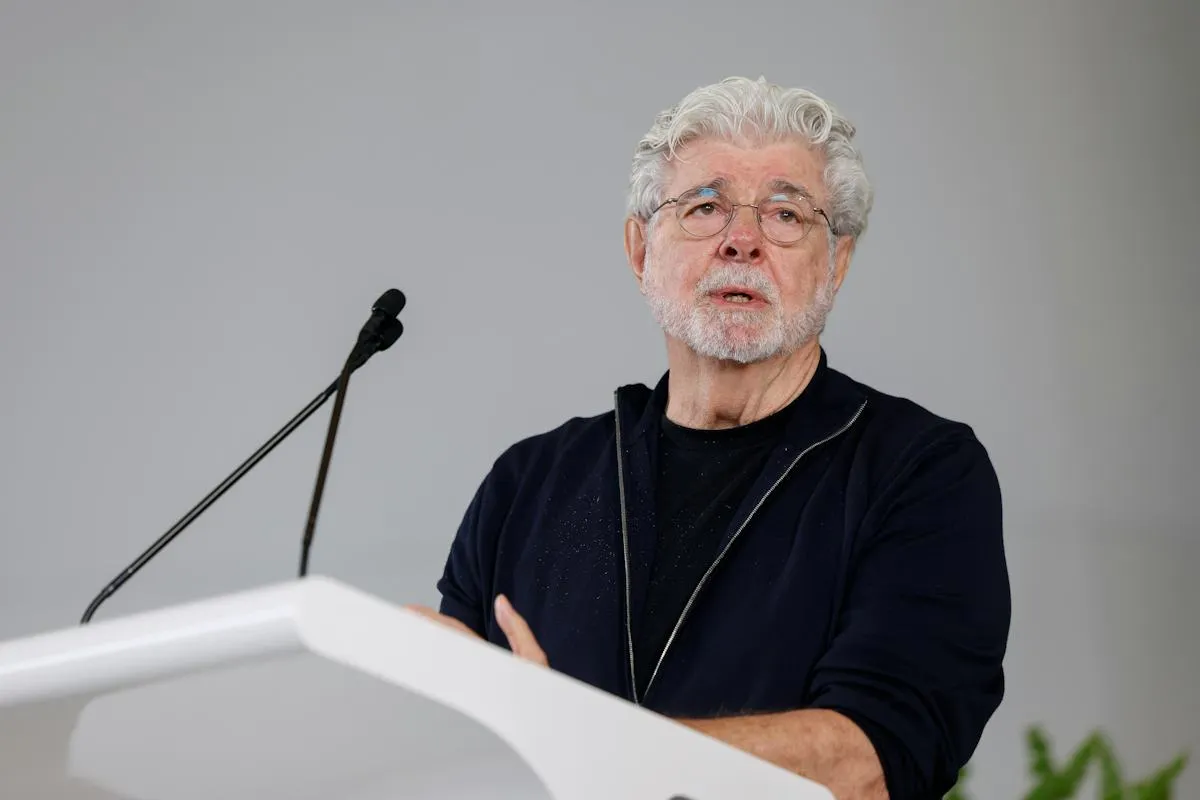
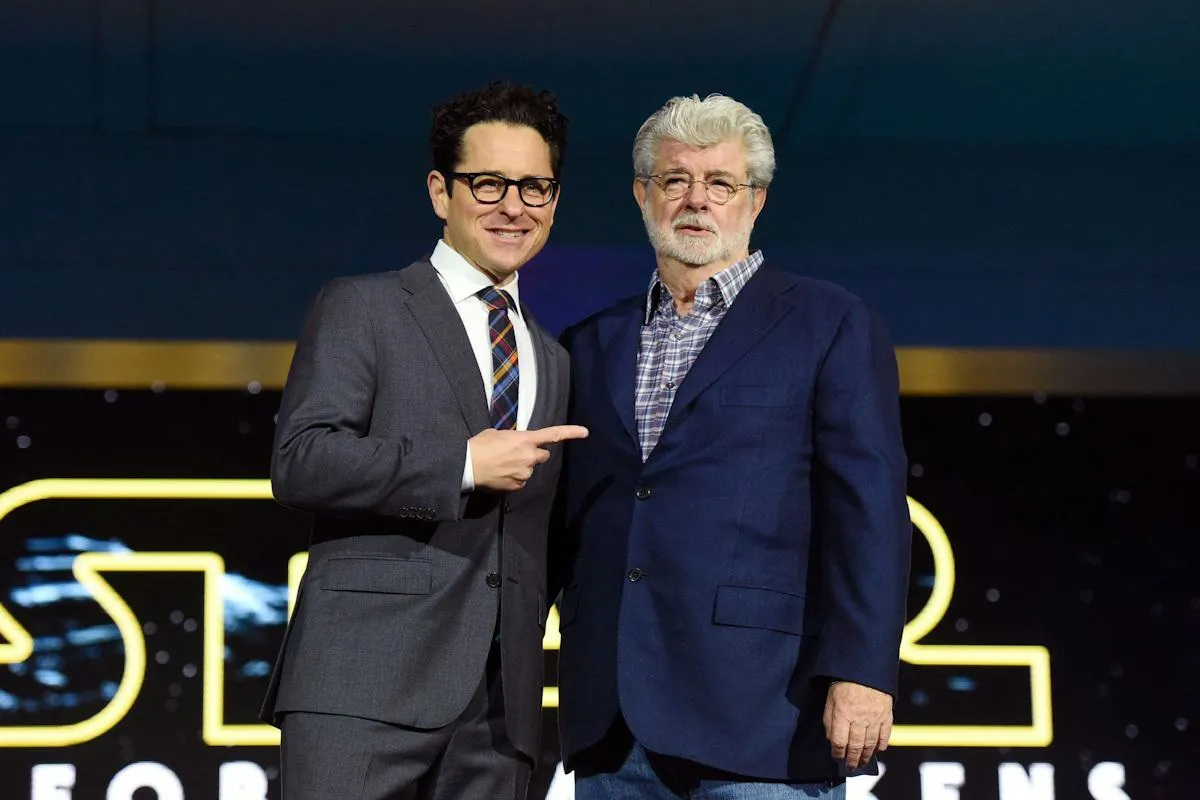
The cultural obsession with what could have been haunts modern franchise filmmaking like an unquiet spirit. When corporate acquisitions swallow visionary intellectual property, the original creator usually exits quietly into the background, leaving fans to wonder about the alternate timelines buried in boardroom paperwork. George Lucas recently opened the Lucas Museum of Narrative Art, a space dedicated to media ranging from painting and drawing to filmmaking and animation. Most people will always know him as the Star Wars Guy, a status reinforced by R2-D2’s appearance at the grand opening ceremony. Yet behind the gallery doors and museum blueprints lies a narrative road not taken that fundamentally reframes the modern space opera empire.
Lucas actually hasn’t had much to do with Star Wars in recent years. He sold Lucasfilm to Disney in 2012, and since then, the franchise has moved on without him to the sequel trilogy, a bunch of TV shows, and some ill-advised theme park attractions. In a recent interview, however, Lucas revealed this wasn’t necessarily the plan. During a recent conversation with CBS Sunday Morning, Lucas spoke about the projects he had planned. He noted that at age 82 there is a limit, and when he began the museum, he decided to retire from making movies. That was a big deal because he had three more Star Wars films to make. But he realized that he was running out of time, and he did want to make this museum, having spent a lot of time developing digital technology for the movie business. When Lucas sold his company to Disney, it came with his cursory plans for three more movies. At first, those outlines remained top secret, but various behind-the-scenes books have since revealed where those chapters would have gone. Like the sequels audiences ultimately saw, Lucas planned to focus on the next generation of Skywalkers, but with Leia as one of the main characters. He intended for the first trilogy to be about the father, the second trilogy to be about the son, and the third trilogy to be about the daughter and the grandchildren, as he outlined in The Star Wars Archives: 1999-2005.
While industry watchers knew Lucas harbored broad outlines for a sequel trilogy, this is the first time he has confirmed an active intention to direct and produce them himself rather than merely handing off rough notes. In an alternate universe, Lucas would have overseen a final chapter veered off into a radically different conceptual direction. Of course, pursuing that path would have robbed the world of his narrative art museum, just as the Disney acquisition cleared the runway for expanded television universes like The Mandalorian and Andor. Perhaps if Lucas had seen his personal vision play out on the silver screen, the franchise legacy and his own standing would look entirely different today. But history offers no counterfactual laboratories. As Obi-Wan Kenobi reminded viewers in Return of the Jedi, many of the truths we cling to depend greatly on our own point of view.
Author bio: Oliver Hawthorne, a Principal Correspondent permanently stationed at an international technology review, specializing in the intersection of digital media monopolies, corporate acquisitions, and modern pop-culture mythology.