(SeaPRwire) – By: Christian Pierce
Mike Flanagan’s new miniseries adaptation of Stephen King’s *Carrie* faces a specific structural problem. Stretching a tight horror novel into eight hours of television creates narrative bloat. The format demands character depth that the source material does not provide. The creator tries to solve this by making every supporting figure sympathetic. This approach dilutes the central tension. The story loses its edge because the antagonists are given too much context. The result is a slower, more grounded drama. It sacrifices the pure shock value of the original. The series premieres on Prime Video on October 6.
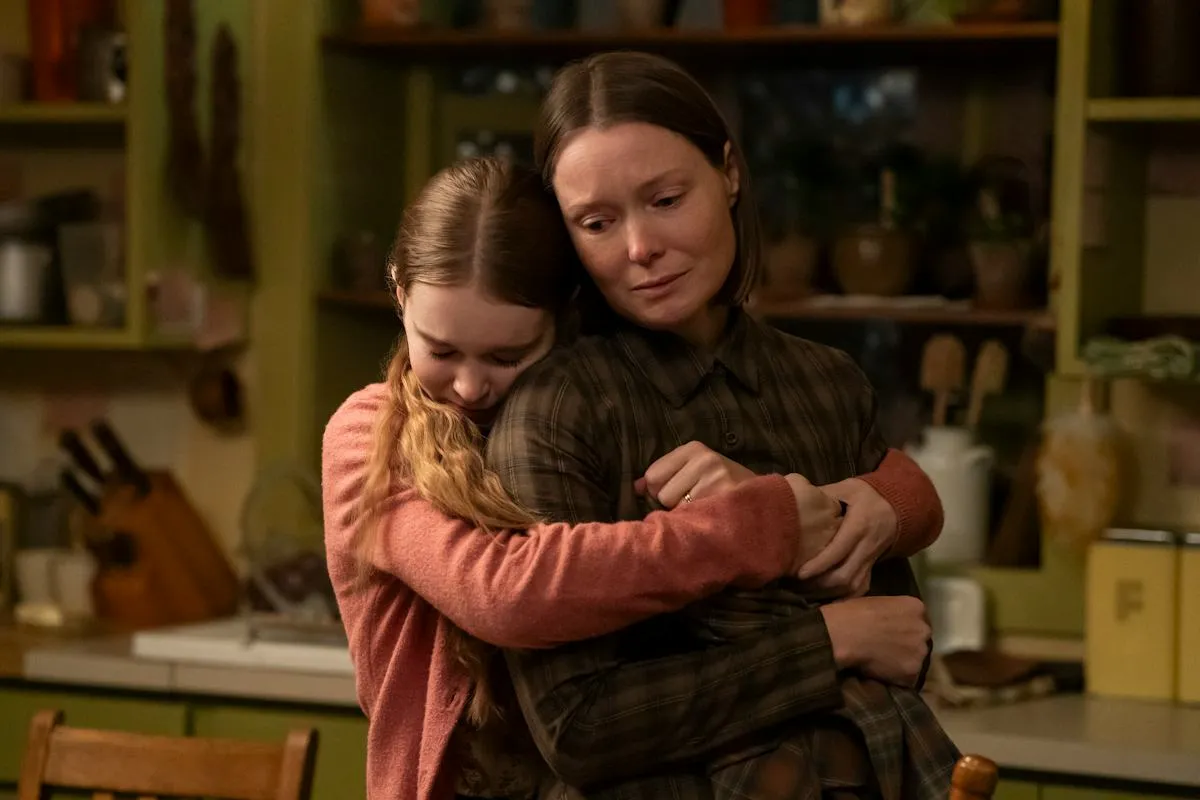
The official promotional narrative focused on Samantha Sloyan’s Margaret White. Marketing highlighted that her interpretation would be more sympathetic than Piper Laurie’s. The press release confirms Sloyan’s character is self-righteous and controlling. However, the script frames her behavior as fear and delusion. It ties her psychosis to contemporary far-right propaganda and culture-war rhetoric. She works as a cashier at a big-box store. There, she makes snide comments about customers’ food choices. This detail roots her in current social divisions. The show uses the MAHA movement as a backdrop for her decline. It does not take a political stance beyond showing her environment is toxic.
The adaptation also updates the bullying dynamics for a modern audience. King wrote in an era where mistreating misfits was often ignored or tacitly approved. Today, schools mandate kindness initiatives. The series reflects this shift by changing how the infamous prom scene unfolds. The physical attack happens, but it is pitched lower in intensity. The real cruelty moves to social media. Chris Hargensen, played by Alison Thornton, creates a dedicated account to post videos of Carrie crying. Her classmates pelt her with tampons while she is isolated in the locker room. This digital harassment is more relevant to modern teens. It forces the villain to have a complex backstory involving family problems.
This expansion serves two purposes. It brings the 1979 novel into the anti-bullying age. It also allows viewers to spend eight hours with these characters. Television is a character-driven medium. Extended runtime requires depth for figures that would be cartoonish sketches in a film. Flanagan fleshes out gym teacher Rita Desjardin and her colleagues. Rahul Kohli returns as a Flanagan regular in a supporting role. Kate Siegel appears briefly at the end of Episode 1. She talks to Delainey Hayles from *Interview with the Vampire*. This character feels out of place in the grounded miniseries. The inclusion highlights the strain of forcing late-period King elements into a new framework.
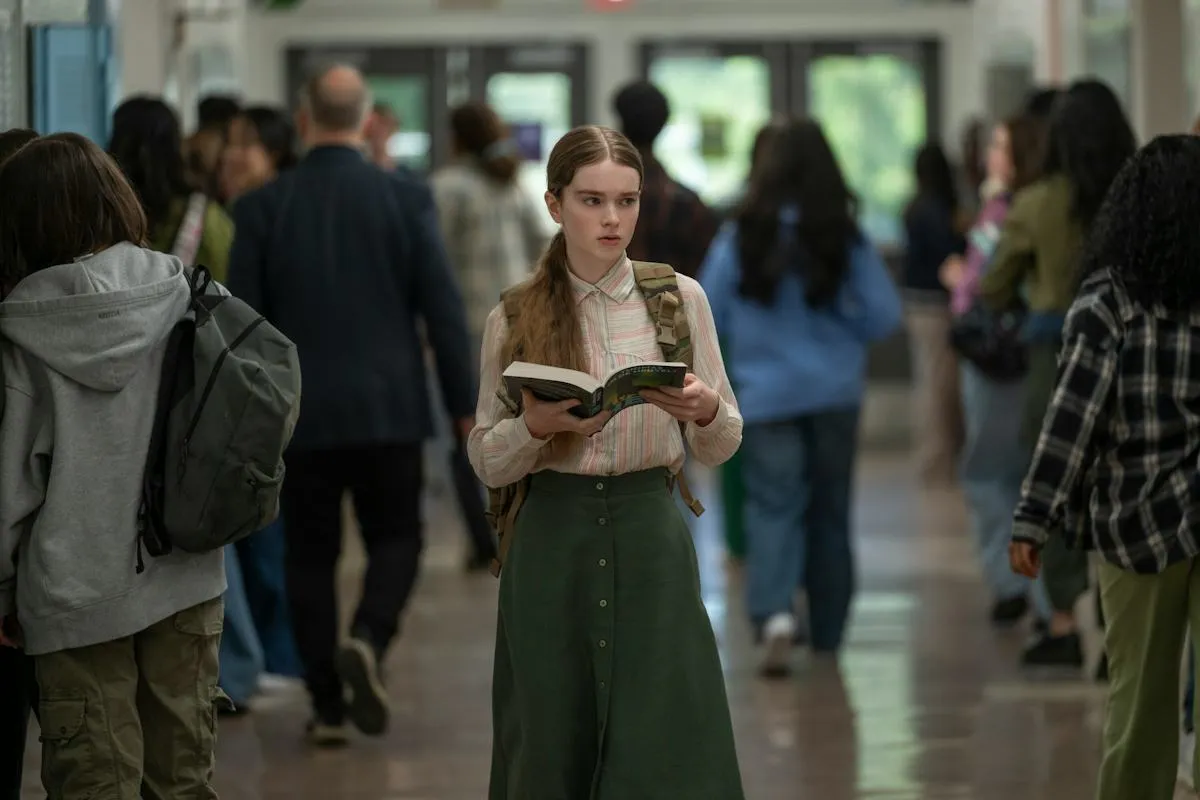
The core contradiction remains. The show tries to justify the unjustifiable. Chris’s cruelty is explained but not forgiven. Sue Snell’s perspective shifts as she re-evaluates her friendship. These subplots provide necessary breathing room. They prevent the main storyline from becoming a linear checklist of King’s beats. The school-shooting drill on Carrie’s first day underscores societal indifference. Her panic contrasts with her classmates’ bluntness. This scene works because it serves the character’s naïveté. The final product is a pitch-perfect adaptation that suffers from over-explanation. The one big flaw is the loss of mystery. The villains become too understandable. The horror relies on chaos, not empathy. This shift marks the biggest cultural change in the series.
Author bio: Christian Pierce, a chief financial columnist and markets commentator focusing on media industry economics and content strategy.